Germany and France pledged on Friday to strengthen defence cooperation, boost collaboration on nuclear deterrence and coordinate their response to economic challenges posed by China, as Europe seeks greater strategic autonomy amid global uncertainty.
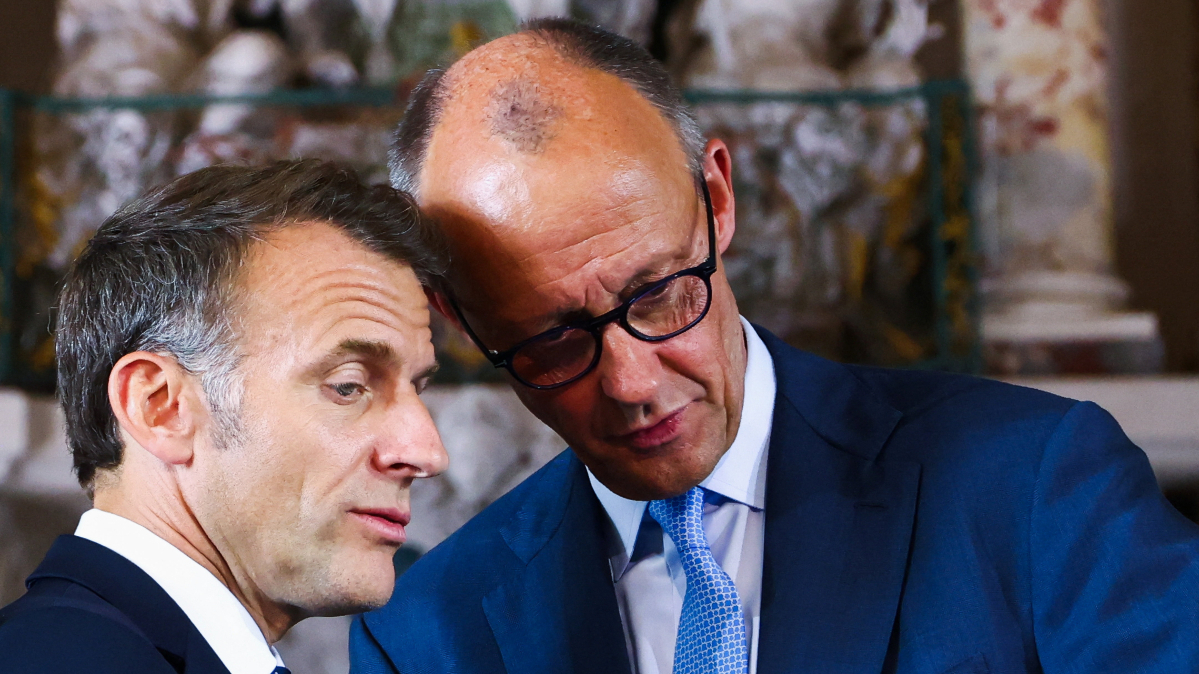
German Chancellor Friedrich Merz and French President Emmanuel Macron announced a series of joint initiatives following talks held as part of a regular Franco-German cabinet meeting.
The discussions came months after the collapse of plans for a joint fighter jet project, a setback that had strained defence cooperation between the two countries.
"We are doing what is necessary to safeguard our freedom, our security and our collective defence," Friedrich Merz said during a joint press conference.
The two leaders outlined plans to work more closely on key defence capabilities, including missile defence systems and long-range strike technologies.
A major announcement was Germany's participation in a French nuclear exercise later this year, marking a significant step in expanding defence cooperation between Europe's two largest economies.
"We will have German conventional forces participate in a nuclear exercise conducted by the French armed forces before the end of this year," Merz said.
The move reflects growing concern in Europe about the future of U.S. security commitments to the continent and increased calls for a stronger European defence posture.
Merz stressed that any cooperation with France's nuclear deterrent would complement, rather than replace, NATO's existing nuclear arrangements.
Germany remains part of NATO's nuclear sharing framework, under which U.S. nuclear weapons are stationed in the country and German aircraft can be used in a deterrence role if required.
Macron said France remained committed to maintaining full control of its nuclear arsenal and would continue to finance the programme independently.
"The funding for the French nuclear programme will always be provided by France," he said.
The French president said closer cooperation would focus on information sharing, joint exercises and building trust between military personnel and defence experts.
He added that stronger nuclear cooperation would contribute to European security by increasing uncertainty for potential adversaries.
Concerns over China
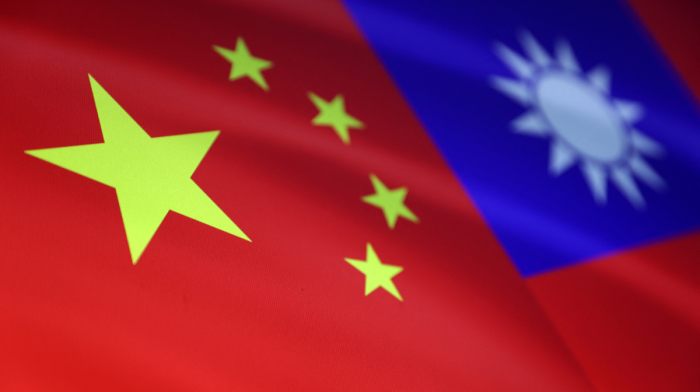
Alongside defence issues, both leaders voiced concern about China's economic policies, arguing that European industries face growing competitive pressure.
Merz said China was benefiting from substantial state support for industry and an undervalued currency, creating an uneven playing field for European companies.
"I am not prepared to accept that things can remain as they are at present, because this is unfairly at the expense of jobs in Europe," he said.
While rejecting the idea of a trade war, Merz called for dialogue with Beijing on industrial overcapacity and trade imbalances.
Despite the failure of the proposed common fighter aircraft programme, both leaders said other elements of the Future Combat Air System project would continue.
Macron said development of cloud-based information systems and other technological components remained on track, adding that future defence projects would be subject to stronger oversight following disagreements between defence manufacturers Airbus and Dassault.
The meeting underscored a broader effort by Paris and Berlin to reinforce European defence cooperation and economic resilience at a time of heightened geopolitical tensions and uncertainty over the future security architecture of the continent.










What is your opinion on this topic?
Leave the first comment