India's investigation into last year's Air India crash that killed 260 people has entered its final stages, with investigators completing a transcript of the cockpit voice recorder and carrying out a psychological autopsy as they work towards a final report.
The update was revealed in a court filing by India's Aircraft Accident Investigation Bureau (AAIB), offering the clearest picture yet of the progress made in one of the country's deadliest aviation disasters that happened 12 June 2025.
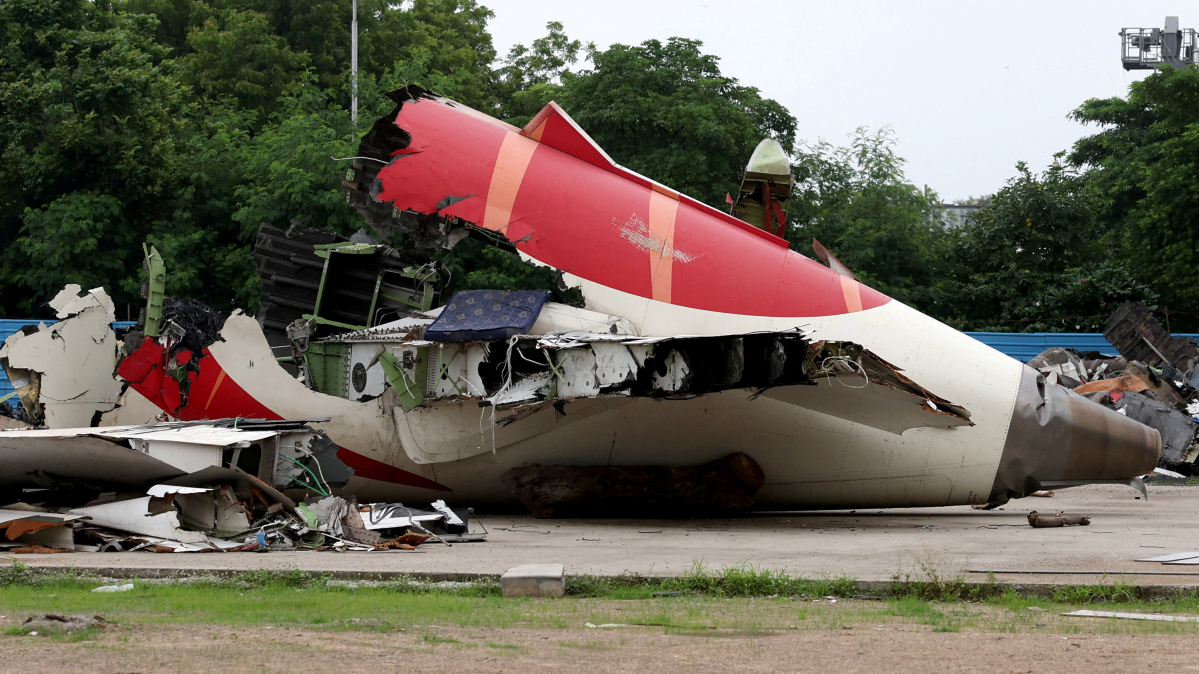
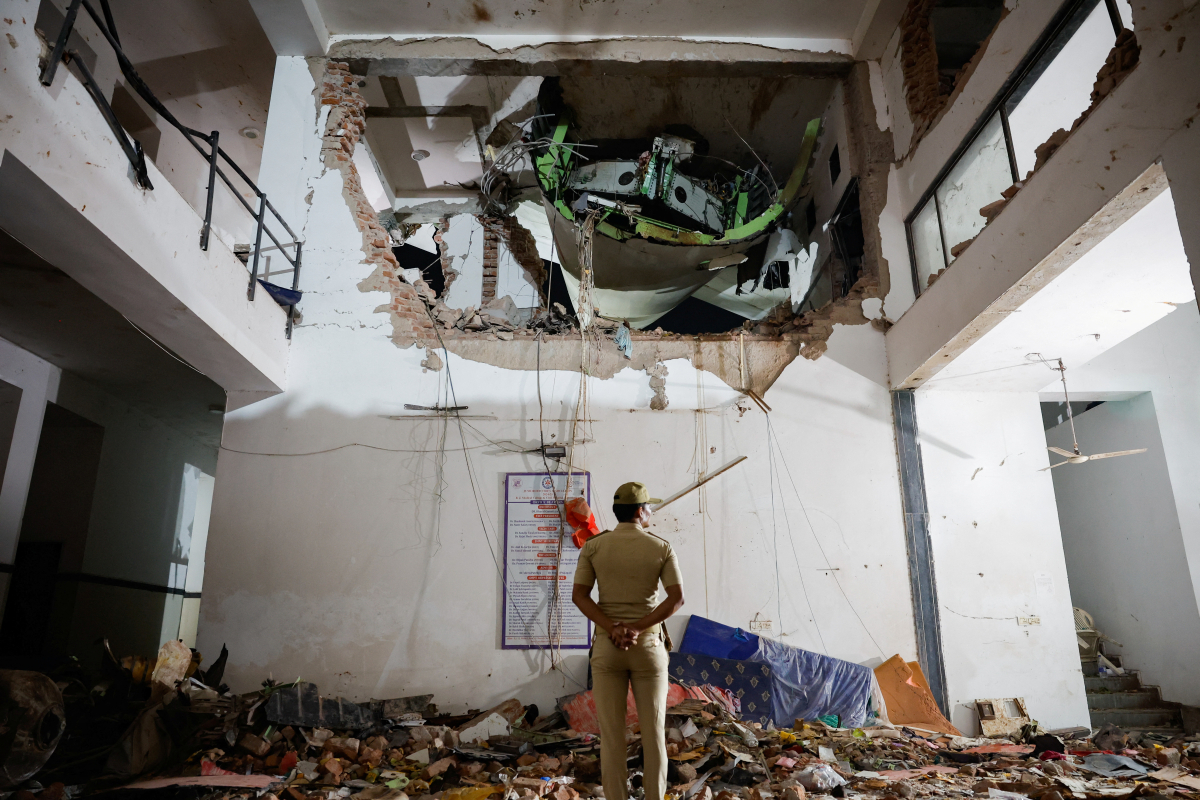
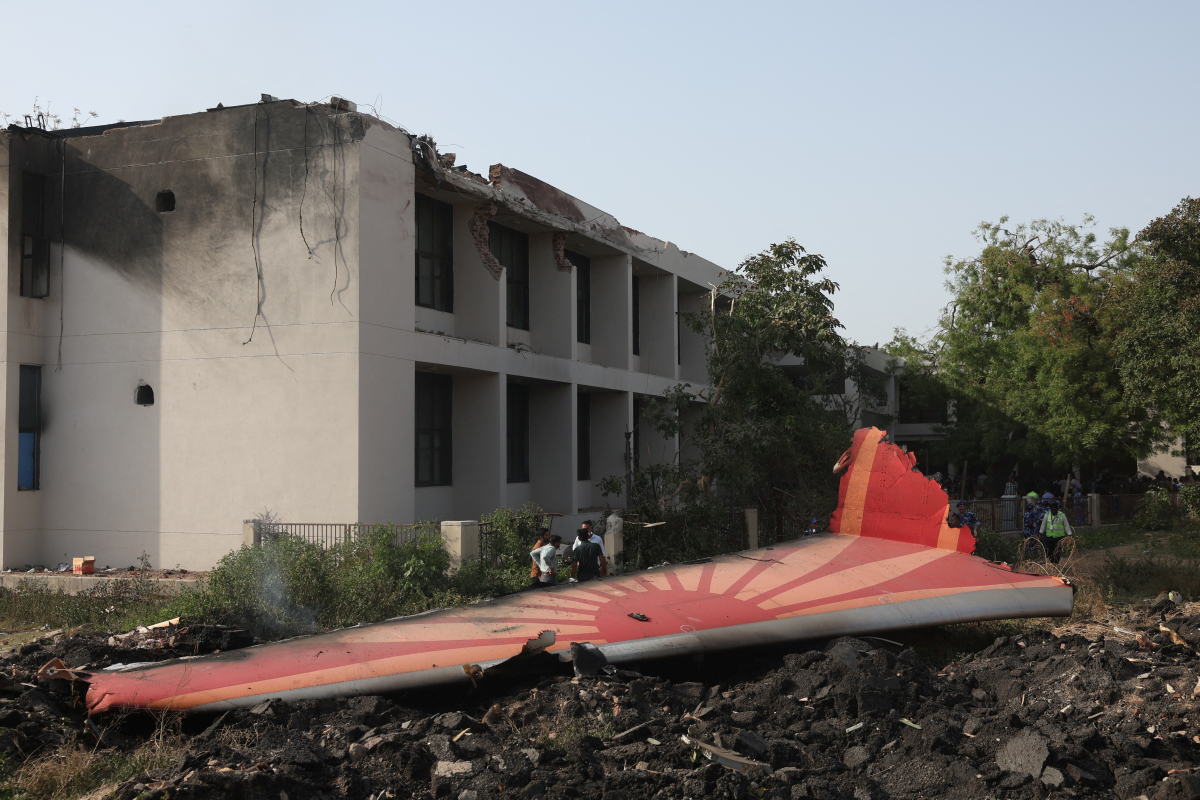
The Boeing 787 crashed shortly after taking off from Ahmedabad, killing everyone on board except one passenger, along with people on the ground.
Psychological autopsy completed
The AAIB said it had prepared a transcript of the cockpit voice recorder and carried out a psychological autopsy as part of its investigation.
The filing did not identify who the psychological autopsy was conducted on or reveal any findings.
Investigators are still waiting for data retrieved from an engine monitoring unit, which was recovered in late May. They are also continuing to assess organisational factors linked to the crash.
Wide-ranging investigation
The investigation has involved interviews with Air India Boeing 787 pilots, cabin crew who had previously flown with the accident crew, engineers who prepared the aircraft, air traffic controllers, weather officials and human factors specialists.
The AAIB also said investigators visited the homes of the flight crew's families during the early stages of the inquiry.
The bureau said the investigation has now moved into its analysis phase, with teams examining operational, technical, human factors and organisational issues before reaching final conclusions.
Pilot's father challenged investigators
The court filing came after Captain Pushkar Raj Sabharwal's father filed a lawsuit over the investigation.
He said investigators visited his home last year and suggested his son had deliberately cut fuel to the aircraft's engines shortly after take-off.
The AAIB also warned that widespread media speculation blaming the pilots had affected the investigation.
It said those reports had caused some witnesses to become "restrictive and non-responsive."
Final report expected later this year
The AAIB expects its remaining investigative work to be completed within around six weeks, although it said the timeline depends on several outstanding external factors.
A draft final report is expected around October. It will then be shared with countries involved in the investigation, including the U.S. National Transportation Safety Board, before being finalised and published.
Questions remain over cause of crash
Reuters reported last year that an early assessment by U.S. officials found cockpit voice recordings supported the view that the captain had cut fuel flow to the aircraft's engines.
At the time, however, the AAIB urged caution.
"Too early to reach any definite conclusions," the AAIB had warned at the time.
With key technical analysis still outstanding, investigators say the final report will determine what happened and whether any safety changes are needed to help prevent a similar tragedy.
Read more:



















What is your opinion on this topic?
Leave the first comment