Ukraine and a group of key Western allies have launched a new air defence coalition to develop a European anti-ballistic missile system that will complement existing defences and reduce reliance on the costly U.S.-made Patriot system.
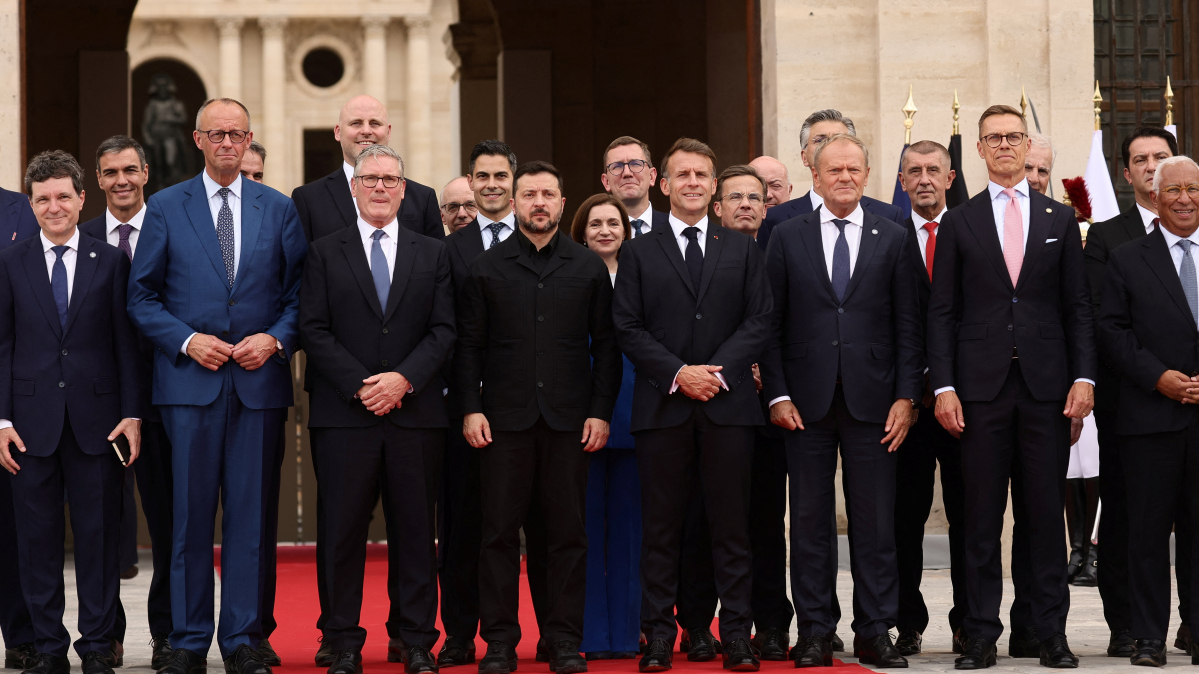
The initiative was unveiled on Monday during a summit in Paris attended by leaders from 10 countries and representatives of around a dozen defence companies.
In a joint statement, the leaders of Britain, Denmark, France, Germany, Italy, the Netherlands, Norway, Spain, Sweden and Ukraine said Europe needed a collective approach to missile defence amid growing security challenges.
In recent weeks, Kyiv has struggled to intercept Russian ballistic missiles, with officials warning that stocks of interceptor missiles are running low. Ballistic missiles travel at extremely high speeds, making them among the most difficult aerial threats to intercept.
Ukrainian President Volodymyr Zelenskyy has repeatedly called on Western allies to supply additional air defence systems while supporting Ukraine's efforts to develop its own capabilities.
Ahead of the Paris meeting, Zelenskyy said several countries were expected to formally back the Freyja project, a Ukrainian-led initiative to create a lower-cost European alternative to the Patriot system.
"The more means Ukraine has to shoot down Russian ballistic missiles, the greater the chance that Putin will come to the negotiating table, as his last argument in this war will no longer work," Zelenskyy said after the coalition's announcement.
He stressed that Freyja was intended to complement, rather than replace, existing systems.
"Our work on a joint system, Freyja, is not intended to replace existing systems," Zelenskyy said.
"It is a way to supplement our defence, create a strong shield over the entirety of Europe, and do all of this faster and at a lower cost."
Coalition to strengthen European missile defence
In a joint statement, the leaders said: "We believe that the protection of Europe requires a global solution of integrated missile defence architecture to deter and defeat future missile threats, developed through collective effort, technological openness, and trusted industrial cooperation."
They added that the system would work alongside existing defences rather than replacing them.
"It will complement existing ballistic missile defence systems, including sovereign European solutions already acquired, or to be acquired by participating countries."
Joint exercises and tougher sanctions planned
The Paris gathering also focused on broader efforts to support Ukraine and increase pressure on Russia.
Leaders discussed ways to target Moscow's revenue streams, particularly its so-called "shadow fleet" of oil tankers used to circumvent Western restrictions on Russian energy exports.
The European Union is expected to adopt a 21st package of sanctions against Russia in the coming days.
Participants also agreed to expand military cooperation through joint exercises aimed at testing elements of a future multinational support force for Ukraine.
A French presidency official said the exercises were intended to ensure the credibility of future security arrangements.
"What must be remembered is that the MNFU consists of land, air, sea and training," the official said.
"All of these pillars are intended to be tested continuously, to varying degrees, with all participants in order to guarantee their credibility."
The official stressed that the exercises would not take place in Ukraine.
"It's not a question of conducting exercises in Ukraine."
France to summon Russian ambassador
Diplomatic tensions escalated further on Monday after French Foreign Minister Jean-Noël Barrot announced that France would summon Russia's ambassador over an alleged cyber espionage campaign targeting France and other European countries.
Barrot said Paris would publicly condemn what he described as a large-scale Russian operation involving sabotage and espionage.
"Today, we will publicly condemn a widespread cyber campaign conducted by Russia that aimed to carry out sabotage and spying conducted against a dozen countries," Barrot told BFM TV.
"We will summon the Russian ambassador to France in the coming days."
Barrot also announced sanctions against individuals and entities linked to the alleged activity.
France plans to sanction "nine Russian individuals and four Russian entities" that it says were involved in the cyber campaign, which French authorities allege was orchestrated by Russia's Federal Security Service.
The move adds another layer to mounting European pressure on Moscow as the war in Ukraine enters its fourth year and security concerns continue to expand beyond the battlefield into cyberspace.











What is your opinion on this topic?
Leave the first comment