live Yemen warns Houthis seek to replicate Iran's Hormuz strategy in Red Sea
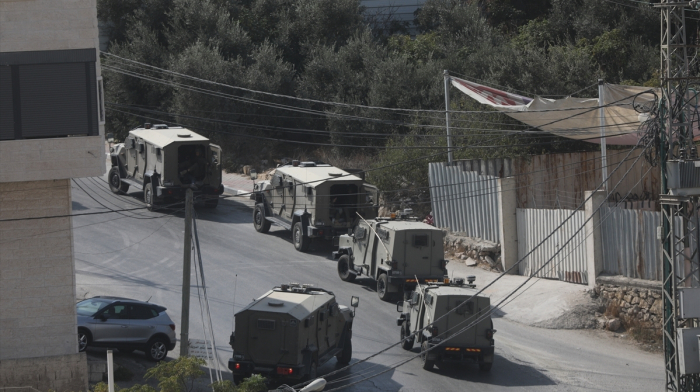
Yemen warned the Houthis were seeking to replicate Iran's Strait of Hormuz strategy in the Red Sea, as U.S. President Donald Trump said there was a "g...
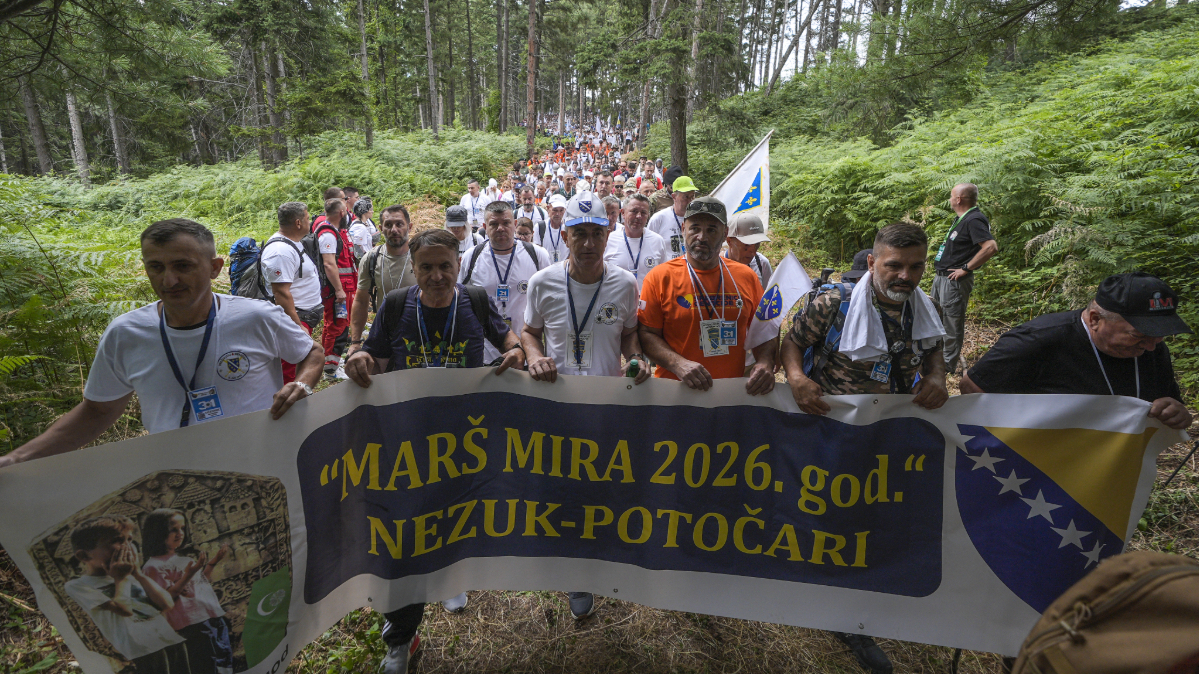
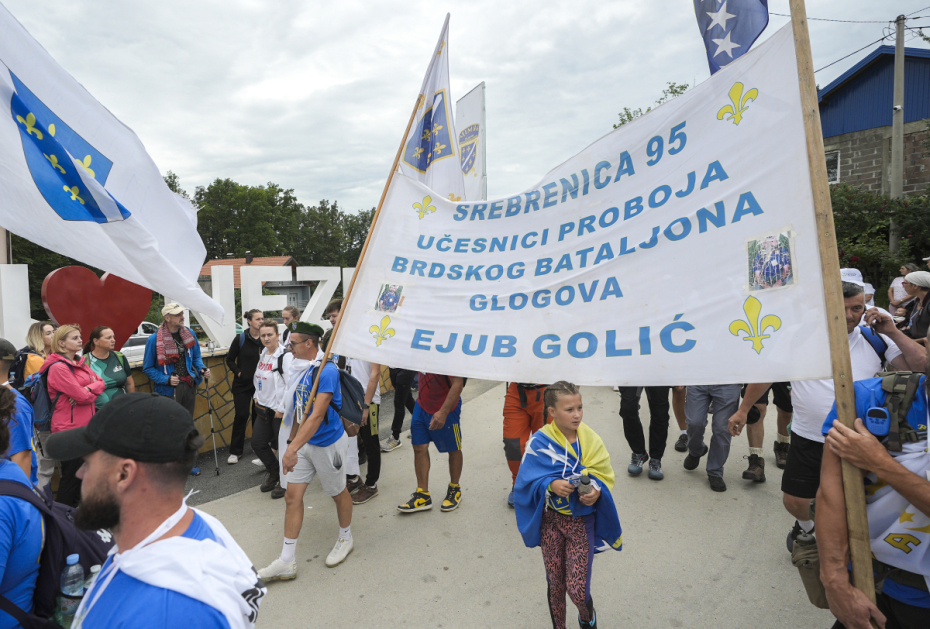
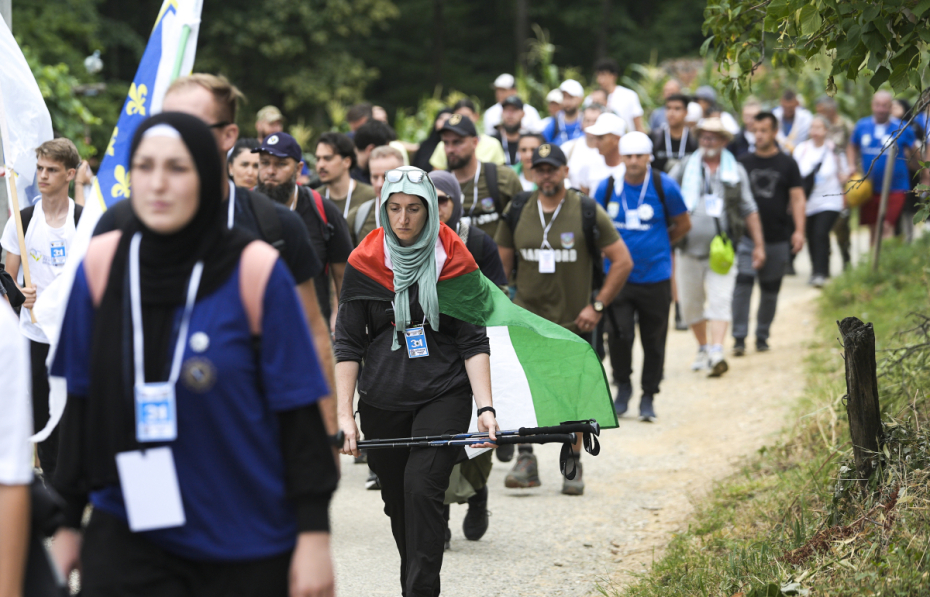
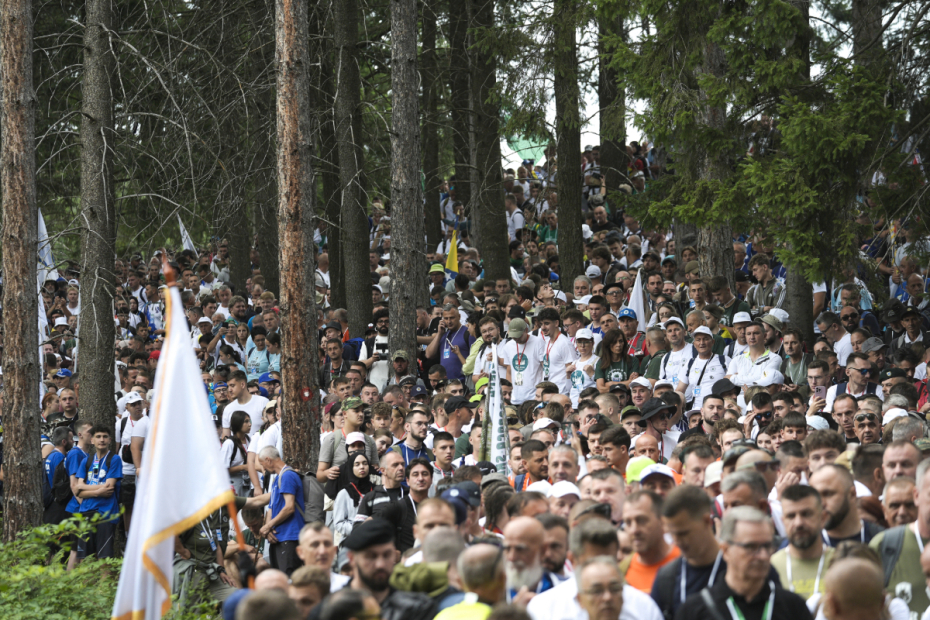
More than 6,300 people from around the world have begun the annual Peace March in Bosnia and Herzegovina, retracing the route taken by thousands of Bosniaks who fled the Srebrenica genocide in July 1995.
The march set off from Nezuk on Wednesday morning (8 July) and will cover more than 100 kilometres over three days. Participants are expected to arrive in Potočari on 10 July, ahead of the annual commemoration at the Srebrenica Memorial Centre.
For many taking part, the journey is far more than a walk. It follows the same forest paths and mountain tracks used by thousands of Bosniaks trying to reach safety after Bosnian Serb forces overran the UN-declared safe area of Srebrenica in July 1995.
For many of those fleeing, the route became a "road of no return", as thousands were captured and killed.
The march has become an annual act of remembrance, bringing together survivors, relatives of victims and people from around the world to honour those who lost their lives and help preserve the memory of the genocide.
On 11 July, participants will attend a collective funeral at the cemetery of the Srebrenica Memorial Centre in Potočari. The remains of 10 more victims of the genocide, recently identified after decades of forensic work, will be laid to rest.
The annual commemorations continue to serve as a reminder of one of Europe's darkest chapters since the Second World War, while giving families another opportunity to bury loved ones whose remains have only recently been identified.
U.S. President Donald Trump said on Monday that there is a good chance” of reaching a deal with Iran, but warned that Washington would resume military operation if negotiations fail.
Iran will halt its own attacks as long as the United States maintains its pause on strikes, but Tehran remains sceptical of U.S. intentions, a senior Iranian source told on Sunday.
The Russia-Ukraine war is increasingly reshaping the Caspian region. From threats to energy infrastructure to renewed diplomatic efforts, countries across the region are adapting to the wider consequences of a conflict that continues to disrupt trade, transport and security.
A New York school district has put plans to introduce a humanoid robot into classrooms on hold after fierce criticism from teachers, Indigenous community members and state education officials over the use of artificial intelligence in schools.
Russian President Vladimir Putin has signed laws introducing stricter financial requirements for foreign workers, as Moscow continues to tighten migration controls affecting millions of labour migrants, particularly from Central Asia.
U.S. diplomats walked out of a UN Security Council meeting on Ukraine after accusing France of making "disingenuous grandstanding" by comparing Washington with North Korea, Russia and other authoritarian states.
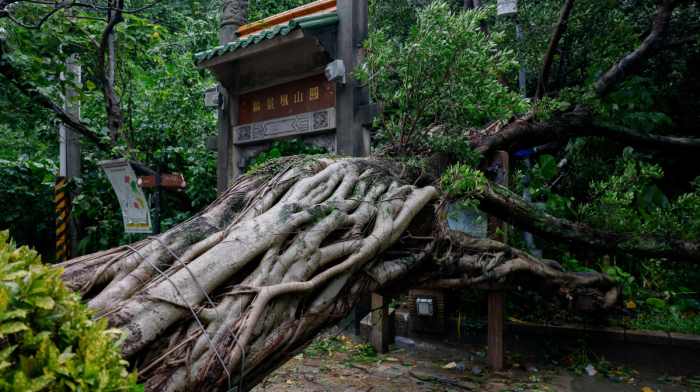
Meteorologists in China have used a swarm of drones to observe Typhoon Noul as it passed through Guangdong province, aiming to improve weather monitoring and forecasting during extreme storms.
Tehran has stressed that its commercial vessel hit by a Ukrainian drone in the Caspian Sea on Saturday was carrying only civilian cargo and vowed to respond appropriately while holding Kyiv responsible for the attack.
Since 1946, nine people have served as UN Secretary-General, the closest thing the world has to a chief diplomat. The role carries no army and little hard power, yet its occupants have shaped how nations respond to war, famine and global crises. Here are five who left the deepest mark.
Two shallow earthquakes hit a remote area of China's Qinghai province on Tuesday, with authorities reporting no casualties or collapsed buildings so far.
You can download the AnewZ application from Play Store and the App Store.
What is your opinion on this topic?
Leave the first comment