Chinese and Russian warships have begun their annual Joint Sea-2026 naval exercise in the Yellow Sea, before a planned joint patrol in the Pacific Ocean.
Annual exercise begins
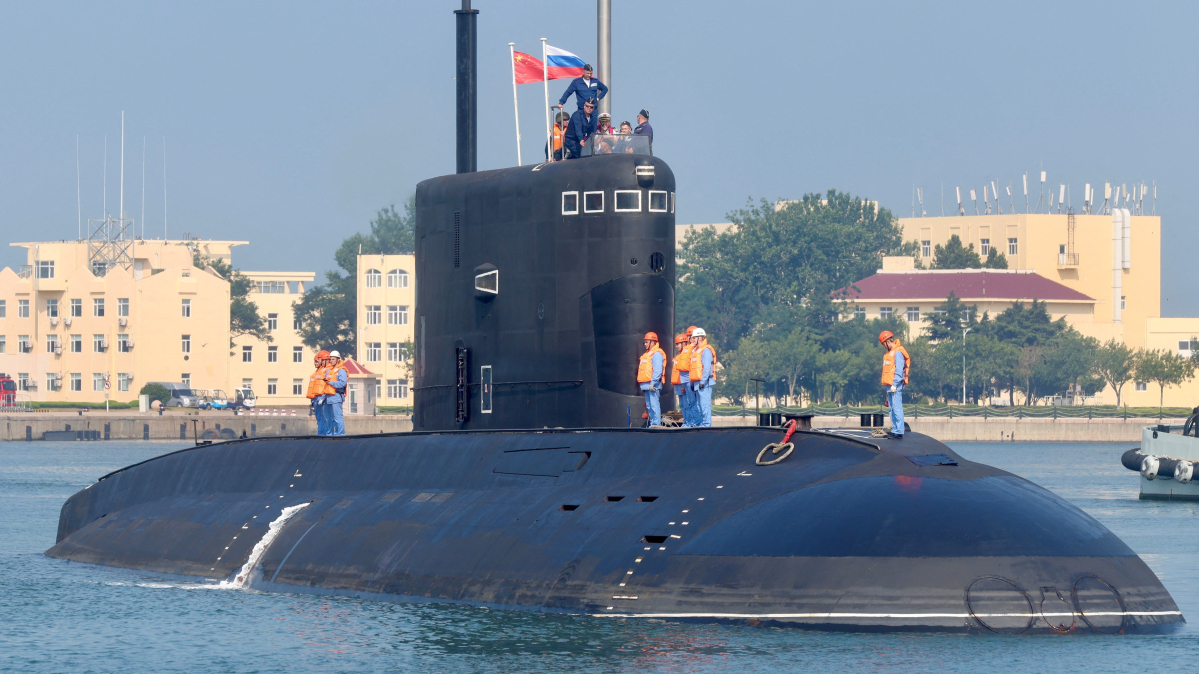
On Monday morning (6 June), warships from China and Russia arrived at a naval base in Qingdao, a port city on China's eastern coast, to begin the joint exercise.
The drills, known as Joint Sea-2026, will run until 13 July in the Yellow Sea. Afterwards, the two navies will sail together on a joint patrol somewhere in the Pacific Ocean. Both sides have carried out similar patrols many times before.
China has deployed two destroyers, a frigate, a submarine, a supply ship and a rescue vessel. Russia has contributed the missile cruiser Varyag, a corvette, a diesel-electric submarine and a rescue vessel. Over the next week, their crews will practise joint reconnaissance, air defence, anti-submarine warfare, search and rescue, and live artillery firing. One part of the exercise involves rehearsing the rescue of a submarine crew in distress - the kind of detailed, technical drill that only becomes possible after years of regular training together.
Russia's exercise director, Rear Admiral Sergey Sinko, said at the opening ceremony that the drills are defensive and are not aimed at any third country.
Military cooperation has steadily expanded
The first Joint Sea exercise took place in 2012 in the Yellow Sea. It was relatively small and simple. Since then, the exercises have developed into a much more substantial series, taking place in the Mediterranean, the Baltic Sea, the South China Sea, the Sea of Japan and the Pacific Ocean.
In 2021, Chinese and Russian warships completed their first joint circumnavigation of Japan, sailing around the country together. Japan strongly objected. In early 2022, shortly before Russia launched its full-scale invasion of Ukraine, the two navies were conducting exercises together in the Arabian Sea.
Beyond naval drills
The naval exercises are only one part of a much broader military relationship. For decades, Russia sold China some of its most advanced military hardware - including jet engines, submarines and air defence systems - at a time when Western arms embargoes meant few other suppliers were willing to do so. China has since developed much of its own military technology, but Russian influence remains visible in the structure and design of its armed forces.
The two countries also conduct joint bomber patrols near Japan and South Korea, hold combined land exercises, and maintain regular meetings between their senior military commanders.
Neither Beijing nor Moscow describes the relationship as an alliance. There is no formal treaty committing either country to come to the other's defence. However, between the joint exercises, arms sales, coordinated diplomatic positions and the personal relationship that the two leaders have cultivated over more than a decade of regular meetings, the distinction between their partnership and a formal alliance is becoming increasingly difficult to draw.
Annual cooperation continues
Joint Sea-2026 is the latest chapter in that long-running military partnership. After completing the exercises, the ships will conduct a joint patrol in the Pacific before returning home. Another exercise is already scheduled for next year under the countries' annual military cooperation plan. China and Russia have now been holding these exercises for 14 years, steadily improving their ability to operate together.















What is your opinion on this topic?
Leave the first comment