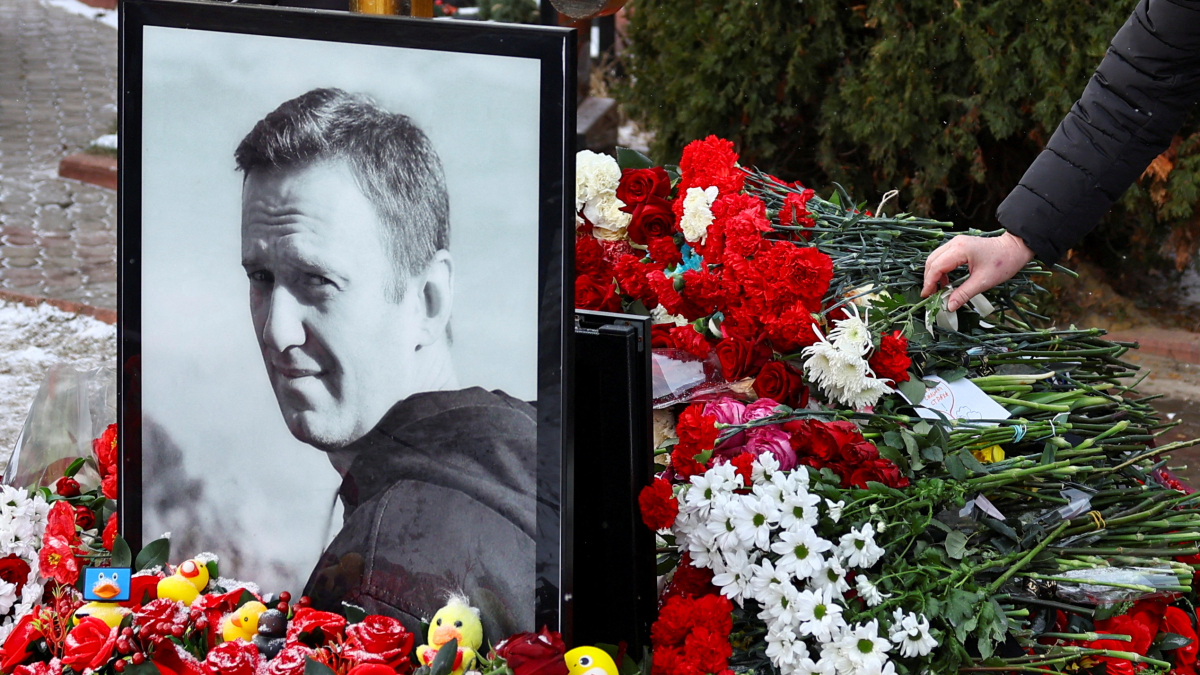
Britain has imposed sanctions on two Russian research institutes and several senior staff members, it says are connected to Moscow's chemical weapons programme and the development of toxins allegedly used against Russian opposition figure Alexei Navalny.
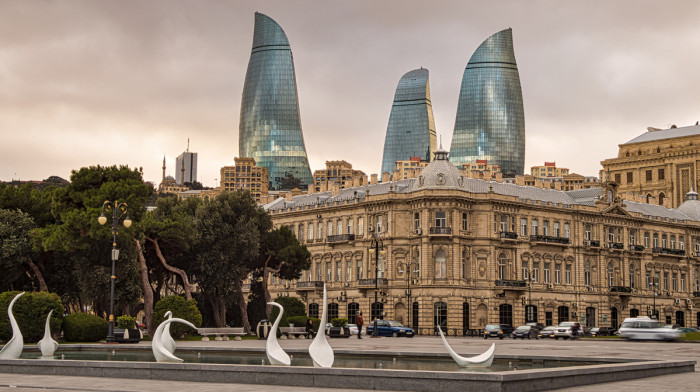
The sanctions, announced on Monday, come ahead of the NATO summit in Ankara and follow similar measures introduced by the European Union. British officials said the move is intended to expose and deter Russia's alleged use of chemical weapons.
The British government said those targeted by the sanctions were involved in developing both the Novichok nerve agent and Epibatidine, substances that Western governments have linked to attacks on Navalny.
Navalny fell seriously ill during a flight in Siberia in 2020. Tests conducted by Western laboratories later concluded he had been poisoned with a Novichok nerve agent, a group of military-grade chemical weapons developed during the Soviet era.
Britain and several European allies have also said Navalny died in 2024 after being poisoned with Epibatidine, a highly toxic substance derived from poison dart frogs. Russia has denied responsibility for his death.
Britain condemns alleged chemical weapons use
Foreign Secretary Yvette Cooper said Russia's alleged repeated use of chemical agents represented a violation of international law and posed a threat to global security.
“From the use of Novichok nerve agents in Salisbury to Epibatidine in Siberia, poisoning Dawn Sturgess and Alexei Navalny, Russia continues to use barbaric tools to inflict death and suffering on innocent civilians, including in Ukraine,” Cooper said.
The British government said the new sanctions form part of broader efforts to hold Moscow accountable for activities involving prohibited chemical substances.
Salisbury attack remains a source of tension
The announcement also revives attention on the 2018 poisoning of former Russian double agent Sergei Skripal and his daughter Yulia in Salisbury, England.
British authorities said the pair were targeted with Novichok in an attack they survived. However, Dawn Sturgess later died after coming into contact with a discarded container that authorities said contained the nerve agent.
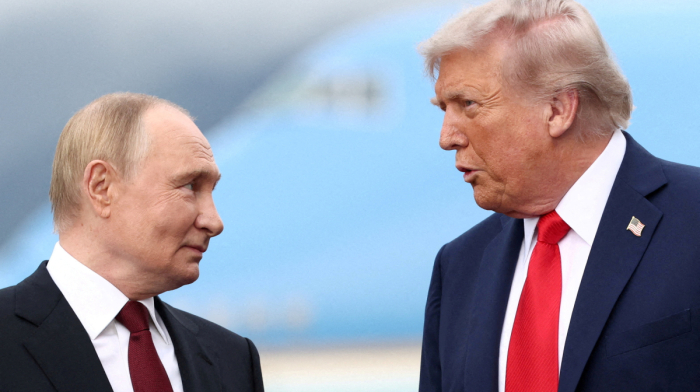
A British public inquiry concluded last year that Russian President Vladimir Putin must have authorised the Salisbury attack, which investigators said was carried out by operatives linked to Russia's GRU military intelligence agency.
Russia has consistently denied involvement in the poisoning and has dismissed the accusations as anti-Russian propaganda.
Moscow yet to respond
Russia's embassy in London did not immediately respond to a request for comment on the latest sanctions.
The measures add to a growing list of Western sanctions imposed on Russia and are likely to deepen tensions between London and Moscow as NATO allies continue to increase pressure on the Kremlin.














What is your opinion on this topic?
Leave the first comment