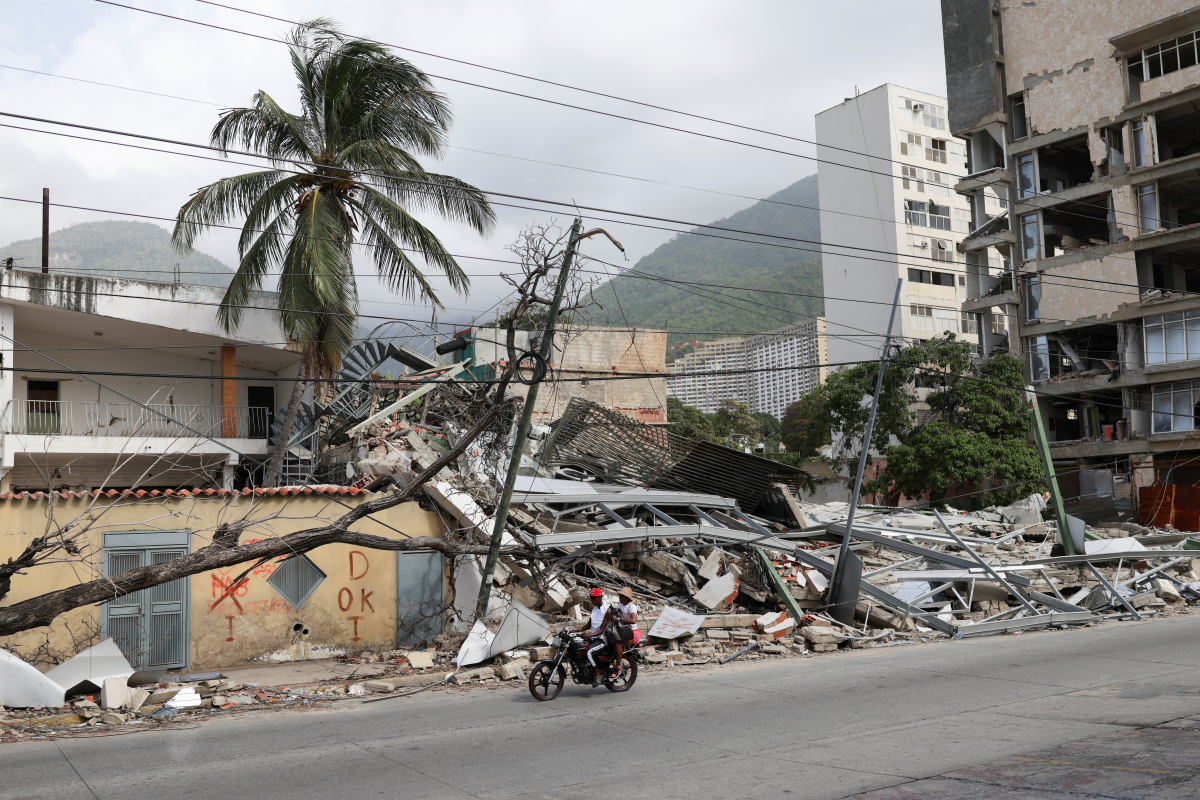
Juan Zapata was just finishing dinner in his fifth-floor apartment overlooking the Caribbean when the twin earthquakes struck Venezuela’s coast on the 24 June, hurling him across the room and into a collapse of concrete and steel.
Ten days later, he is recovering in a field hospital in La Guaira state, after spending two days and seven hours trapped in the rubble wedged between twisted reinforcement bars.
“When they were rescuing me I said, ‘I’m on the fifth floor’ and they told me, ‘No, you’re in the lower basement.’ I couldn’t believe what had happened to me,” Zapata said.
Trapped for more than two days
Rescuers eventually pulled him from the wreckage after civilian volunteers and emergency teams worked through collapsed structures along Venezuela’s Caribbean coast.
Zapata suffered fractured ribs, deep cuts and injuries to his lower legs. He says he still struggles to breathe, and his belongings, including his phone and identification documents were lost in the collapse.
“All my material things were lost, but God has given me health,” he said.
He has not been able to contact family members in the United States and Canada since the disaster.
Rising toll and large-scale rescue effort
Authorities have raised the official death toll to 3,342, with tens of thousands of officials and international rescuers deployed across affected regions.
More than 17,350 people have been left homeless, according to official figures, while an unofficial tally of missing persons stands at more than 41,000.
International aid teams, including medical and search-and-rescue specialists, continue to operate alongside local volunteers in devastated areas such as La Guaira.
Field hospitals and civilian-led care
Zapata is being treated at a field hospital run by disaster relief organisation Samaritan’s Purse, set up on what is normally a baseball field.
Medical director Peter Holz said the facility has treated around 400 patients so far, including dozens of surgical cases, with operations continuing as trauma injuries are stabilised.
He said the aim is eventually to transfer operations to local health services and integrate equipment into permanent clinics.
“There’s a lot of sad stories but also a lot of hope in the midst of all of it,” Holz said.
Civilian rescue efforts dominate response
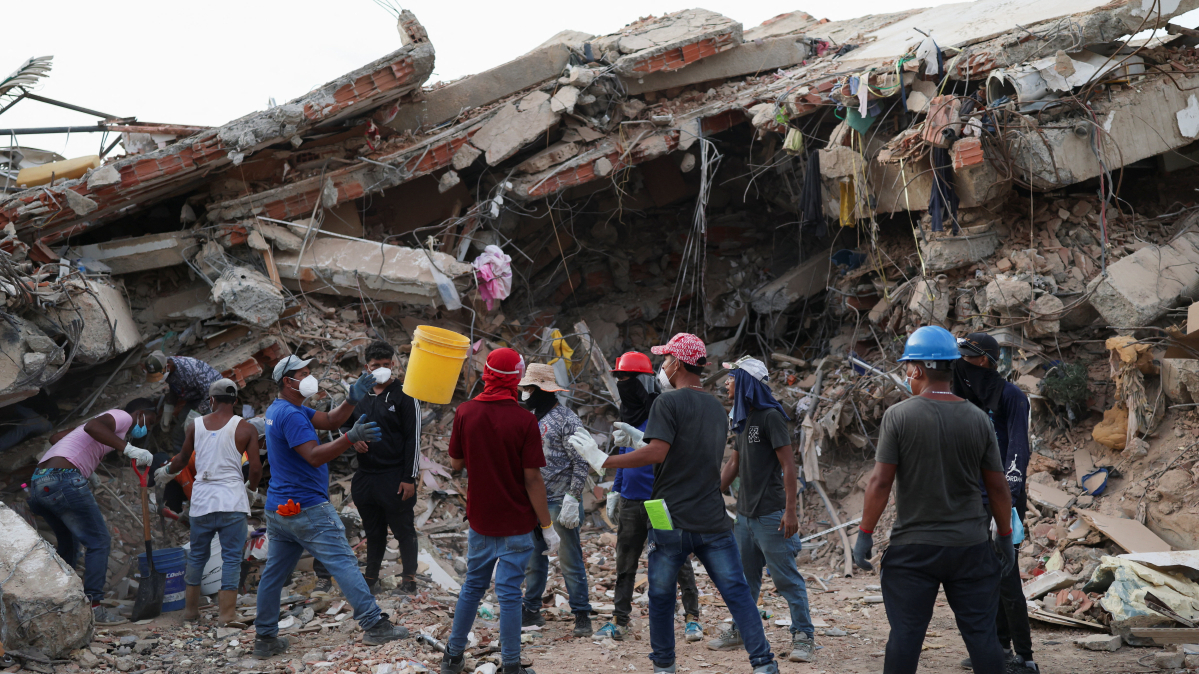
Across affected areas, civilians continue to play a central role in search-and-rescue operations, often working alongside foreign teams and a limited number of official personnel.
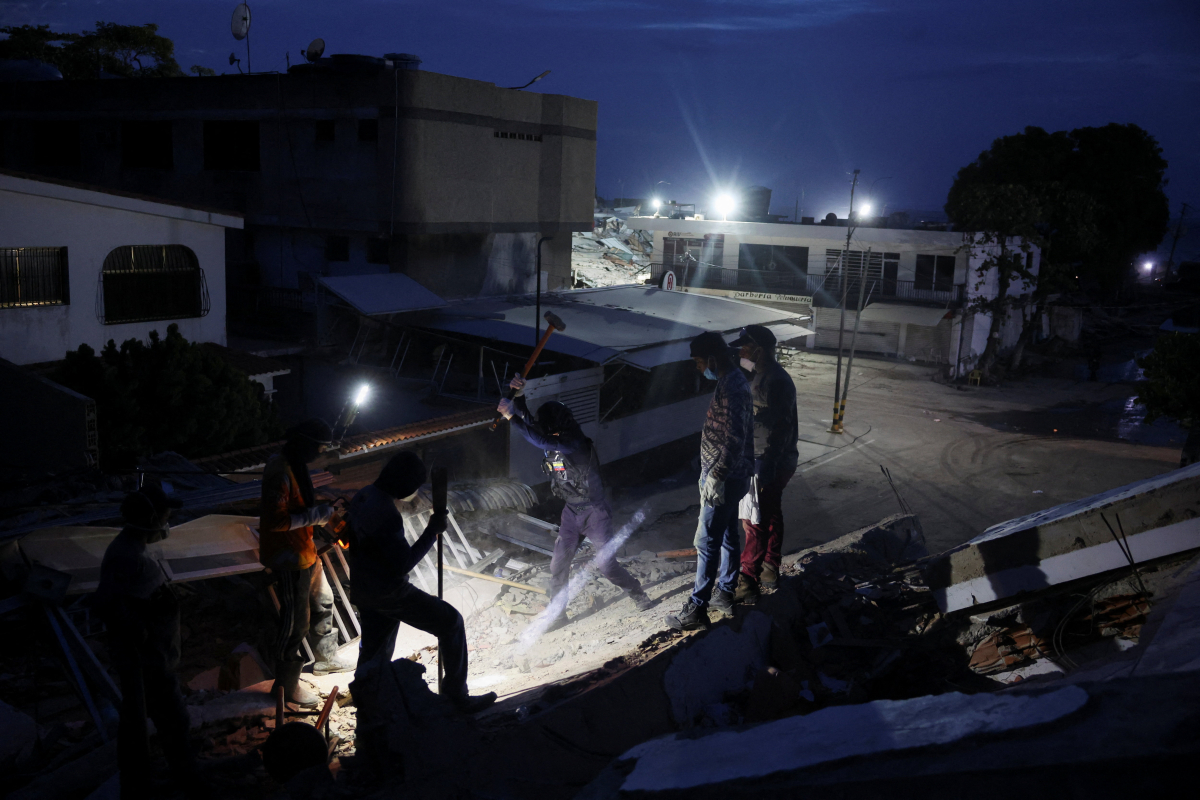
In La Guaira’s heavily damaged housing complexes, volunteers have spent days digging through rubble in search of missing residents, often with minimal machinery support.
Some rescuers say frustration is growing over coordination and the presence of security forces, as families continue to search for relatives.
Despite exhaustion and uncertainty, many volunteers say they will continue until all victims are recovered, as hopes of finding survivors gradually diminish.
Read more:











What is your opinion on this topic?
Leave the first comment