Venezuela's interim president, Delcy Rodríguez, has rejected criticism that her government responded too slowly to two major earthquakes that have killed more than 2,500 people, as questions continue over the scale and coordination of the disaster response.
The 7.2- and 7.5-magnitude earthquakes struck on 24 June, devastating parts of northern Venezuela, particularly the coastal state of La Guaira, where rescue operations have continued for days.
Government defends response
Speaking at her first press conference since taking office in January, Rodríguez said the authorities acted immediately following the disaster.
"It was a natural tragedy on a scale we never imagined," she said, adding: "We did not wait one, two or three days. We acted immediately."
She said 4,000 officials were initially deployed, rising to 14,000 the following day and later to 19,000 personnel engaged in emergency operations.
Rodríguez also said she signed an emergency decree activating national response protocols and visited hospitals treating injured survivors.
Criticism over delays and coordination
Despite official statements, survivors, volunteers and international rescue teams have described a slower and less coordinated response, citing shortages of heavy machinery and delays in the delivery of food and medical supplies.
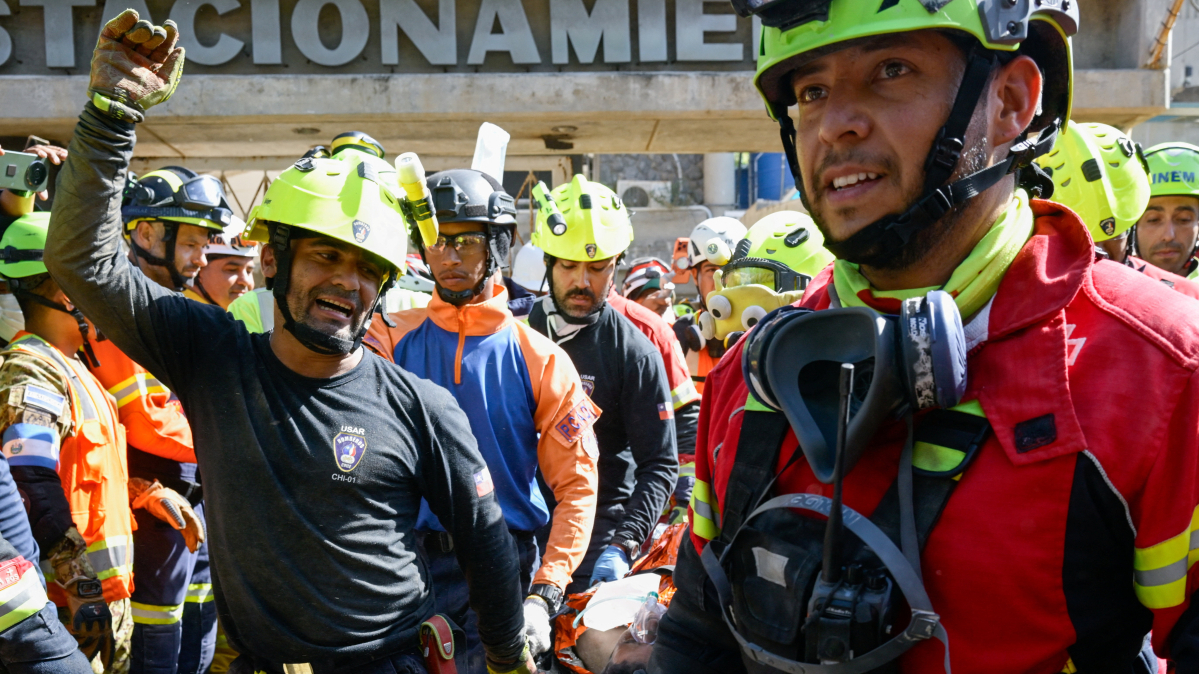
Much of the initial rescue effort was carried out by civilians, including volunteers, firefighters, students, doctors and foreign search-and-rescue teams operating in heavily damaged areas.
In La Guaira, some residents have spent days digging through rubble by hand in search of relatives.
Death toll and missing persons uncertainty
Rodríguez said the official death toll has reached 2,595, although she did not provide a figure for those still missing.
Unverified online lists tracking missing persons have shown a decline to around 38,500 from nearly 60,000 shortly after the earthquakes, reflecting ongoing confusion over casualty reporting.
International estimates have suggested the final death toll could exceed 10,000 in a worst-case scenario, according to assessments cited by relief agencies.
International aid and recovery efforts
Foreign assistance has begun to arrive in Venezuela, with multiple countries sending rescue teams, medical personnel and emergency supplies.
The United Nations has reportedly begun procuring 10,000 body bags, while financial institutions, including the IMF and World Bank, have indicated their support for recovery efforts.
Rodríguez said Venezuela is establishing a $200 million reconstruction fund involving international partners, with the money to be allocated to audited contractors rebuilding homes and infrastructure.
Civilian-led rescue operations
Despite the official response, much of the recovery effort on the ground continues to be led by civilians and volunteers.
Temporary shelters have been established across affected areas, often organised independently by local communities, while makeshift medical facilities have been set up in schools, hospitals and commercial buildings.
A Brazilian Navy field hospital and other international medical teams have also begun treating patients, while rescue operations continue in collapsed residential and commercial buildings.
Growing tension on the ground
The presence of security forces near disaster sites has also fuelled frustration among some residents, with unverified social media videos alleging looting by officials.
Venezuela's Interior Ministry said four police officers had been detained and dismissed over allegations of taking property from damaged areas.
As search-and-rescue efforts continue, authorities insist operations will remain under way until all possible survivors have been accounted for, even as questions persist over coordination, transparency and the scale of the national response.










What is your opinion on this topic?
Leave the first comment