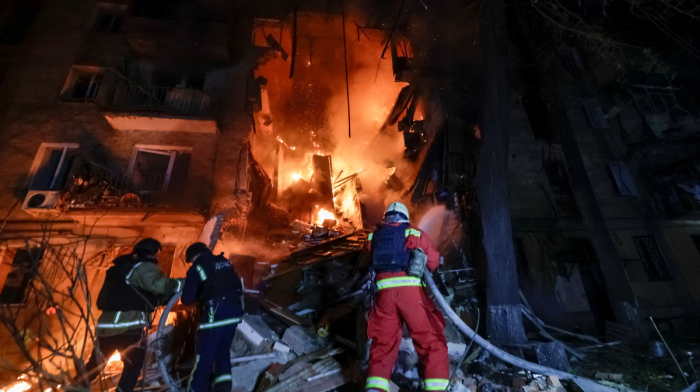
Kyiv under Russian missile attack as Ukraine war discussed at UN meeting
As the Ukraine war is highlighted by some leaders during the United Nations' 81st General Assembly meetin...
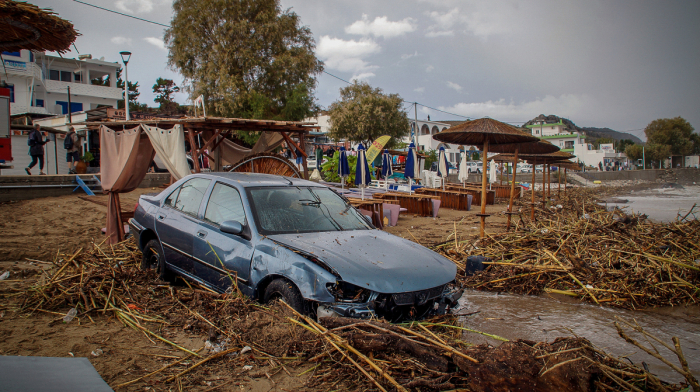
France has recorded 1,000 excess deaths during the severe heatwave that swept across Europe, according to the country's public health agency, which warned the final toll is likely to rise.
Santé Publique France said the figures are preliminary and expect more deaths to be confirmed as data from care homes and private homes becomes available.
Most of those who died were aged 65 and over, although the agency said the extreme temperatures affected people of all ages.
The intense heat has started to ease across much of France as the weather system moves east. However, parts of the country's northeast remain under heatwave warnings.
Health Minister Stéphanie Rist said the health impact of the heat could continue long after temperatures begin to fall.
"The episode is not finished," she told French broadcaster BFM, adding that the effects of the heatwave could last for up to 10 days.
The heatwave, which began on 20 June, has broken temperature records across Europe, disrupted power generation and damaged infrastructure.
Scientists say it is the worst heatwave ever recorded in Europe and have linked its intensity to climate change.
They warn the continent is warming faster than the global average, making extreme heat events more frequent and more dangerous.
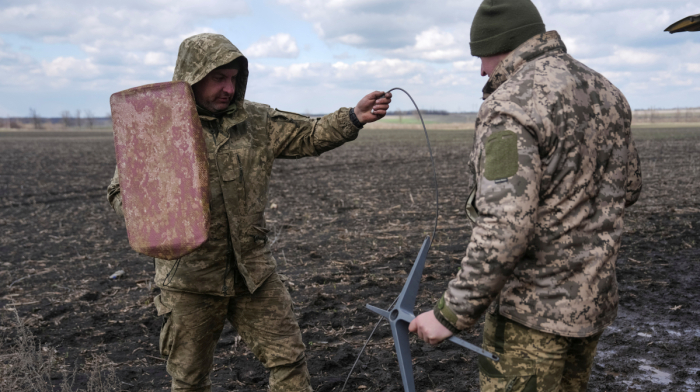
As the Ukraine war is highlighted by some leaders during the United Nations' 81st General Assembly meeting in New York, Russian forces attacked the Ukrainian capital Kyiv early on Thursday with ballistic missiles, killing two people and injuring six, Mayor Vitali Klitschko said.
U.S. Secretary of State Marco Rubio is set to meet Russian Foreign Minister Sergey Lavrov in New York on Wednesday, as Washington pushes for an end to the war in Ukraine and Kyiv and Moscow continue to strike energy infrastructure.
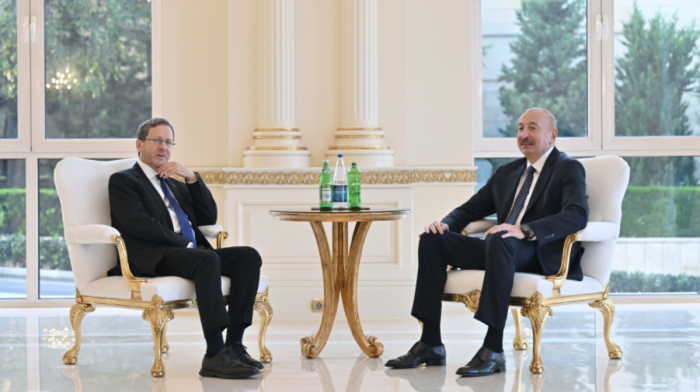
U.S. President Donald Trump is addressing the UN General Assembly as world leaders gather in New York for the 81st session. Conflicts in the Middle East and Ukraine, global security and diplomacy set to dominate the event.
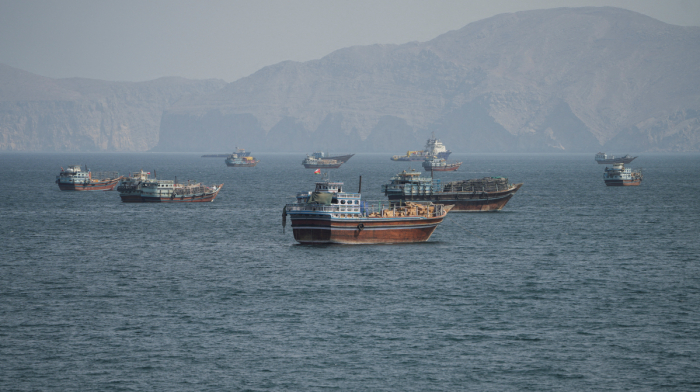
Shipping traffic through the Strait of Hormuz remained low on Thursday, as Iran reiterated that it will neither enter into new negotiations with the United States nor re-open the Strait as long as its conditions are not met, despite recent indirect talks in New York mediated by Qatar.
U.S. President Donald Trump said his team held a three-hour meeting with an Iranian delegation in New York that he described as “very good” and “productive”, with another round of talks scheduled soon.
As the Ukraine war is highlighted by some leaders during the United Nations' 81st General Assembly meeting in New York, Russian forces attacked the Ukrainian capital Kyiv early on Thursday with ballistic missiles, killing two people and injuring six, Mayor Vitali Klitschko said.
The 81st UN General Assembly returns for its third day in New York on Thursday, with world leaders delivering high-level speeches and holding diplomatic meetings. Restoring trust, managing global transformation, peace and security, and international cooperation remain at the centre of discussions.
Australia says an OpenAI AI agent gained unauthorised access to a government Medicare statistics portal in June, in what officials say could be an unprecedented case of an AI system breaching a government network.
Pakistan says it carried out air strikes on 10 locations in Afghanistan on Thursday, targeting sites it said were used to store and launch drones, as tensions between the two neighbouring countries continued to escalate.
Here’s your AnewZ Daily Brief for 24 September 2026, with five key developments from the second day of the 81st United Nations General Assembly in New York.
You can download the AnewZ application from Play Store and the App Store.
What is your opinion on this topic?
Leave the first comment