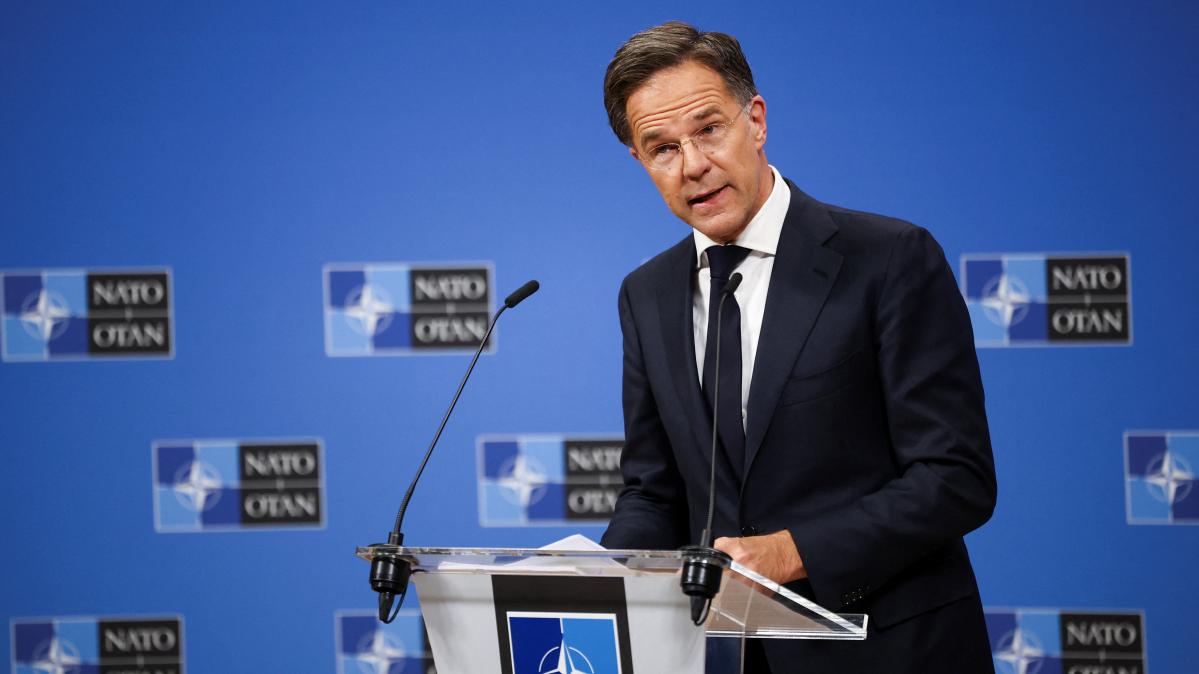
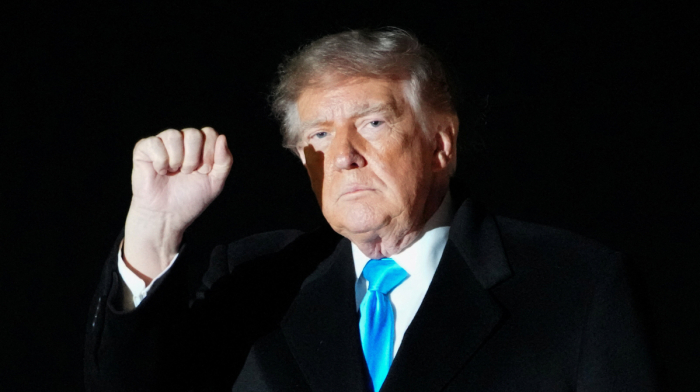
NATO Secretary-General Mark Rutte is set to meet U.S. President Donald Trump at the White House on Wednesday (24 June) as the alliance faces growing pressure over the war with Iran and uncertainty about the future of American troops in Europe.
The meeting comes just weeks before a crucial NATO leaders' summit in Ankara, where allies hope to present a united front despite deepening strains within the alliance.
Tensions between Washington and its NATO partners have risen sharply in recent months.
Trump has criticised allies for failing to support the United States during the conflict with Iran and has questioned whether Washington should continue to stand by NATO's mutual defence commitments.
Last week, U.S. Defence Secretary Pete Hegseth criticised what he described as "free-riding" allies and announced a review of American troop deployments in Europe. The review could lead to reductions in the U.S. military presence on the continent.
The move has fuelled concerns among European governments, many of which remain heavily reliant on American military support.
Rutte's diplomatic challenge
Since taking the NATO role, Rutte has often found himself trying to smooth relations between Trump and the alliance.
Analysts believe his latest visit is aimed at ensuring the July summit avoids a public clash.
"I expect he is trying to get on the same page with Trump to make sure that the NATO summit is a success or not a wipeout," said Stephen Wertheim, a senior fellow at the Carnegie Endowment for International Peace.
"The NATO summit carries a potential for significant risk because Trump is upset and erratic, and even if Rutte comes and thinks he has an understanding with Trump, who knows what two weeks later will bring," he added.
NATO highlights support
In an interview with Fox News ahead of the meeting, Rutte sought to downplay disagreements over the Iran conflict.
He described cases where some NATO members denied U.S. military requests as "isolated" and stressed that hundreds of American aircraft had operated from bases across Europe in support of Washington's military campaign.
"We will also zoom out from this to this bigger picture of what he is doing for NATO," Rutte said, referring to rising defence spending among alliance members.
He added that NATO countries were increasing military investment and promised to reveal "huge" new figures on Wednesday.
Focus on July summit
Rutte's visit forms part of the final preparations for the NATO summit on 7 and 8 July in Ankara.
According to NATO, discussions will focus on higher defence spending, expanding defence production and continued support for Ukraine.
At last year's summit, allies agreed to work towards spending 5% of GDP on defence and defence-related measures within a decade, a long-standing demand from Trump.
While some countries have increased spending significantly, others continue to lag behind.
As the summit approaches, many NATO members will be hoping Rutte can once again ease tensions and prevent another crisis in the transatlantic alliance.
Read more:

















What is your opinion on this topic?
Leave the first comment