Bolivian President Rodrigo Paz has declared a state of emergency, authorising the military to clear roadblocks that have paralysed the economy for 50 days and left at least 14 people dead.
In a televised address on Saturday, the centrist leader said the blockades were no longer a social protest but "an organised attempt to destabilise Bolivia's democracy".
"There comes a moment when failing to act ceases to be prudence and becomes irresponsibility," Paz said, promising the measure would protect citizens and ensure the flow of essential goods.
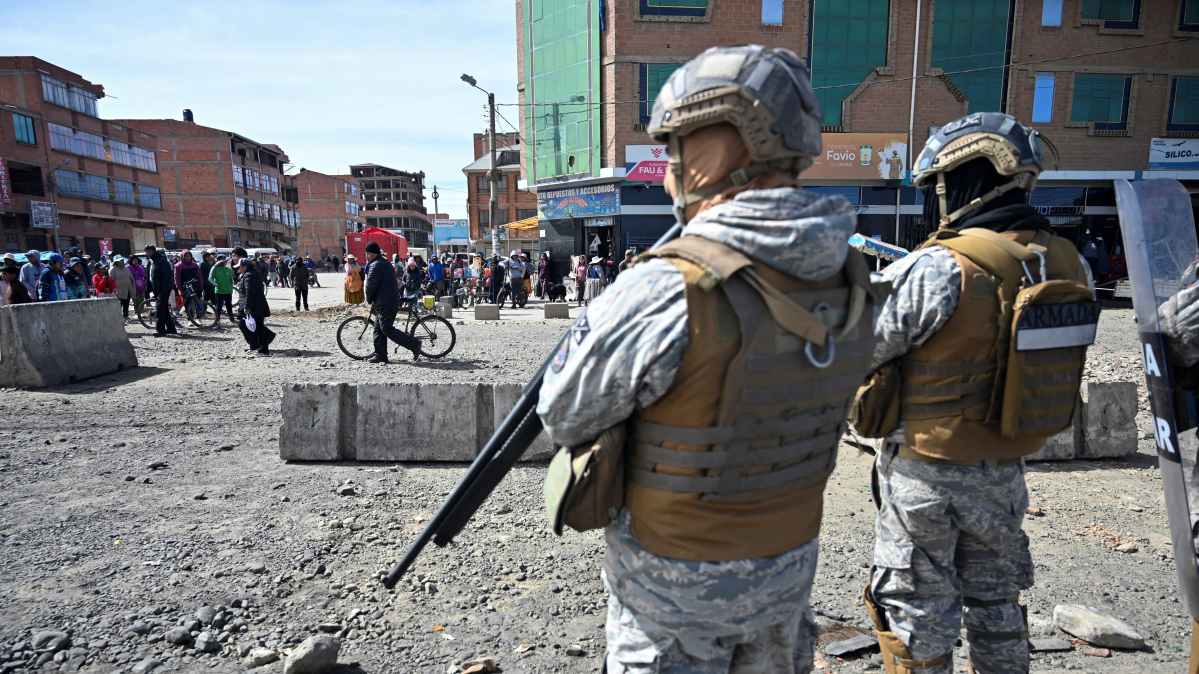
Security forces moved swiftly to clear key highways, including routes near the capital La Paz and neighbouring El Alto, where supplies of food, fuel and medicines have been choked off.
Large crowds gathered to watch as tractors and vehicles removed debris from roads that had resulted in hundreds of trucks being stranded. "We want gasoline!" chanted lorry drivers who had been sleeping in their vehicles for days.
Emergency powers
The President's move has won rare cross-party support, with both government allies and opposition politicians backing the declaration. Congress had already cleared the path in May, by repealing legislation that previously limited the executive's use of emergency orders.
"We hope that with this, order and peace can be restored," said Lissa Claros, a lawmaker from the right-wing opposition Alianza Libre party.
However, some opposition figures have warned the measures could deepen unrest. The government insists there are no curfews, though it is considering "extraordinary measures" in sensitive areas.
Roots of unrest
The crisis erupted after Mr Paz abruptly cut longstanding fuel subsidies to shrink the deficit, amid a worsening dollar crunch and talks with the International Monetary Fund.
Protesters, many allied to former leftist President Evo Morales, have blocked major roads across the country. Morales has denied stoking the unrest, describing it instead as an "indigenous rebellion" driven by economic hardship.
Paz, who has been in power for seven months, has blamed his predecessor for the chaos.













What is your opinion on this topic?
Leave the first comment