Russian President Vladimir Putin has welcomed the recent agreement between the U.S. and Iran, saying it could help stabilise the Middle East and ease pressure on global energy and food markets.
Hopes for regional stability
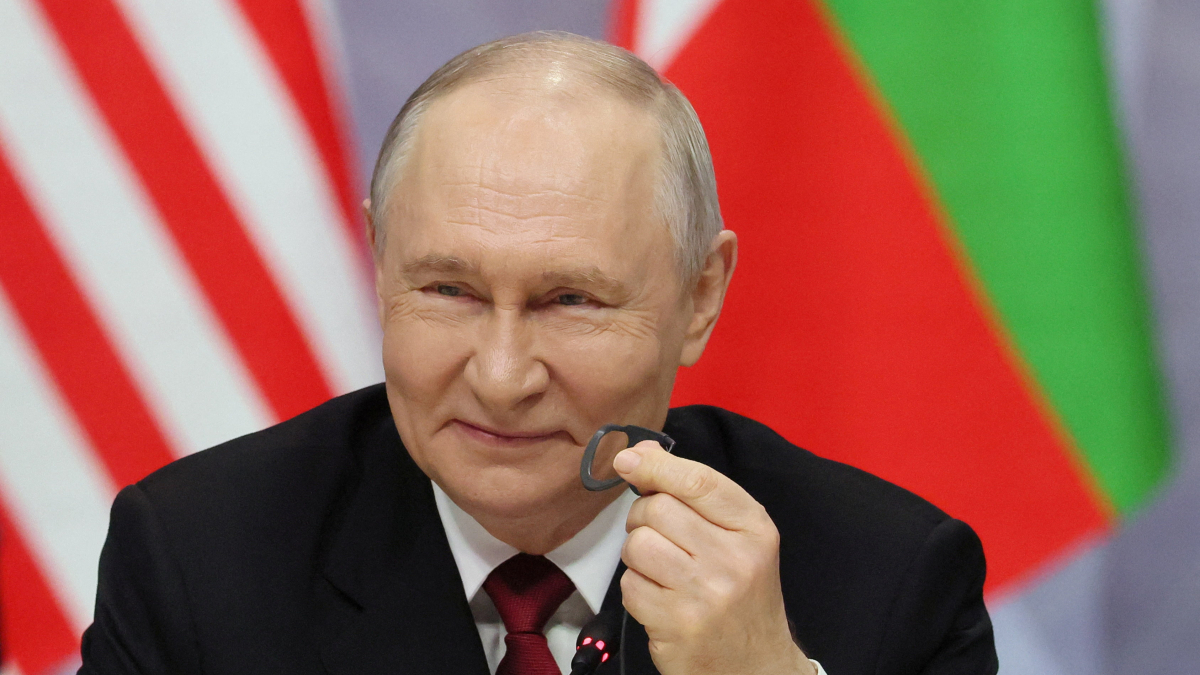
Speaking after the Russia–ASEAN summit in Kazan, Putin said the deal offered grounds for cautious optimism, particularly because it had been signed at the highest political level.
“We unanimously welcomed the agreements between the Iranian and American sides to end the military conflict and to work on the parameters of a future peace agreement,” Putin said.
He added that the direct involvement of both presidents indicated the seriousness of the framework.
“We believe that the fact that the document was signed by the heads of state… gives us reason to expect that this will be a document… that will form the basis of future agreements,” Putin said.
Putin said Moscow expects the agreement to reduce tensions across the Middle East, particularly in the Persian Gulf, a region critical to global energy supplies.
“We hope that the situation in the Middle East and the Persian Gulf will stabilise, which will have a positive impact on global energy and food markets,” he said.
Markets have been closely watching developments after months of conflict disrupted shipping routes and raised concerns about oil supply, particularly through the Strait of Hormuz.
Outline of the agreement
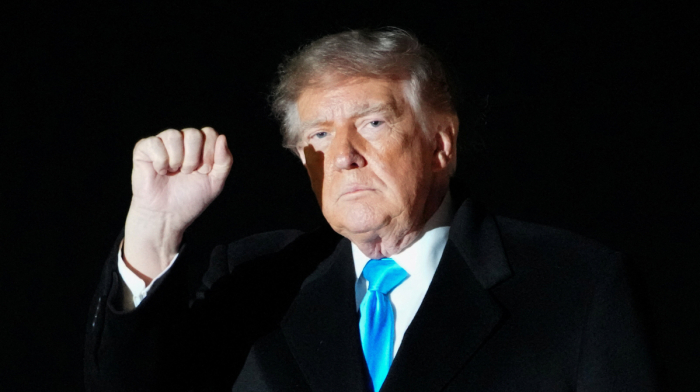
The preliminary memorandum of understanding was signed digitally on 18 June by U.S. President Donald Trump and Iranian President Masoud Pezeshkian, according to officials from both countries. Tehran said the deal came into effect a day earlier.
Under the terms of the agreement, the U.S. and Iran are expected to halt military operations across all fronts and lift restrictions affecting navigation through key shipping routes and ports.
The deal is intended as an interim framework, providing space for negotiations on a broader and more permanent settlement.
Ongoing uncertainty
Despite the progress, the agreement remains fragile. Trump has previously warned that the U.S. could resume attacks if Iran fails to meet its commitments, underscoring the uncertain path ahead.
Analysts say that while the deal represents a significant de-escalation, many key issues remain unresolved, including long-term security arrangements and enforcement mechanisms.
Global implications
The potential stabilisation of energy flows is seen as one of the most immediate benefits of the agreement, particularly for oil and gas markets affected by disruption in the Gulf.
Food markets have also been under strain because of broader geopolitical tensions, making any easing of instability in the region significant for global supply chains.
Next steps
For now, the agreement sets the stage for further negotiations, with international attention focused on whether the temporary ceasefire can evolve into a lasting settlement.
Russia’s endorsement reflects wider international interest in maintaining stability in the region, as major powers seek to avoid further disruption to global markets and international security.












What is your opinion on this topic?
Leave the first comment