Russia’s fuel market is coming under increasing strain as Ukrainian drone strikes disrupt output at major oil refineries, forcing Moscow to rely more heavily on imports from Belarus, according to sources reported by Reuters.
A series of attacks in May and June targeted key facilities, including refineries operated by Lukoil, Rosneft and Surgutneftegaz. The damage has reduced gasoline production and slowed operations across parts of Russia’s refining sector, analysts say.
In response to tightening domestic supplies, Belarus has sharply increased fuel exports to Russia. Rail deliveries of gasoline from Belarusian refineries almost tripled in the first half of June compared with the previous month, reaching more than 70,000 tonnes.
Diesel shipments also rose significantly, doubling during the same period to around 34,000 tonnes. In addition, more than 4,300 tonnes of jet fuel were delivered to Russian consumers.
Officials in Minsk have signalled readiness to help offset the shortfall caused by the disruption of Russian refining capacity.
Rising demand and supply pressure
The supply crunch has been exacerbated by a seasonal increase in fuel demand within Russia, adding further pressure on already constrained output.
The combination of reduced production and higher consumption has tightened availability in the domestic market, forcing authorities to seek alternative supply sources.
The impact is already being felt by consumers, with reduced refinery output contributing to faster growth in retail fuel prices.
In some regions, temporary limits have been introduced at filling stations to prevent shortages, highlighting the extent of the strain on supply chains.
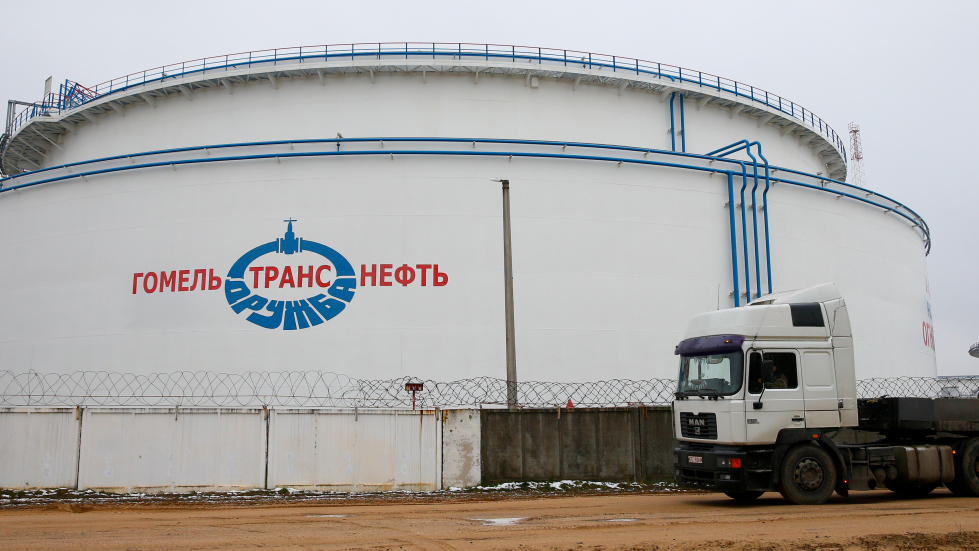
Belarus, which operates two refineries with a combined capacity of around 24 million tonnes a year, has positioned itself as a key supplier during the disruption.
President Alexander Lukashenko has previously indicated that Belarus is prepared to compensate, at least in part, for lost Russian refining capacity.
Ongoing vulnerability
The developments underscore how Ukraine’s use of drones to target energy infrastructure is affecting Russia beyond the battlefield, placing pressure on its domestic economy.
With attacks continuing to hit strategic facilities, Russia’s fuel production could face further disruption, increasing reliance on external supplies and prolonging volatility in the market.

















What is your opinion on this topic?
Leave the first comment