Why are Gen Z protesters taking to Germany's streets?
Gen Z protests swept 34 German cities on Saturday (31 October) over education, living costs and military service proposals. Violence erupted in Fra...
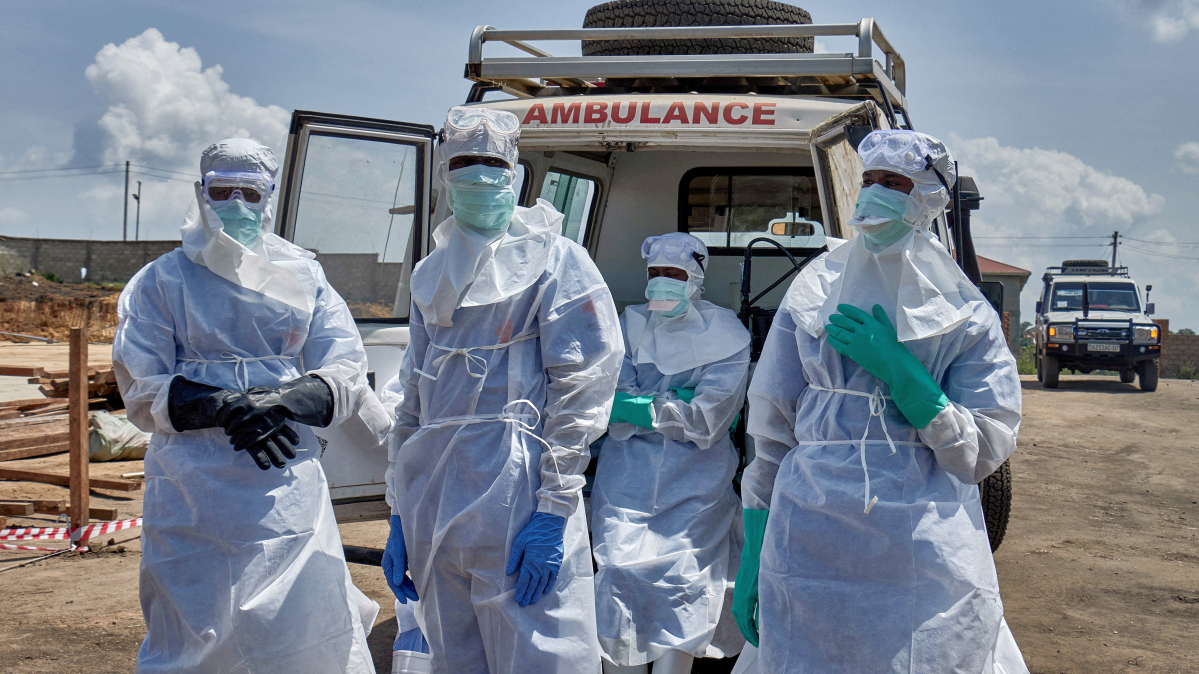
The Ebola outbreak in DRC has spread to a new health zone in the northeastern province of Ituri, health authorities said on Wednesday (10 June), highlighting the challenges of containing the virus more than three weeks after the epidemic was declared.
The health ministry said Tchomia, a lakeside community about 50 kilometres south of the provincial capital Bunia, has become the latest health zone affected by the outbreak. The development brings the total number of affected health zones across the country to 26, with 18 of them located in Ituri province.
Ituri remains at the centre of the epidemic, accounting for more than 94% of all confirmed cases.
According to the government's latest situation report, 37 new confirmed cases and 12 deaths were recorded in the previous 24 hours. All were reported in Ituri.
The outbreak has now infected 635 people and claimed 127 lives across three eastern provinces.
The epidemic was officially declared on 15 May and is being driven by the rare Bundibugyo strain of Ebola. There is currently no approved vaccine or specific treatment for this strain, raising concerns among health workers as they race to contain its spread.
Since the outbreak began, the virus has reached parts of Ituri, North Kivu and South Kivu. The affected regions have long struggled with insecurity, population displacement and frequent cross-border movement, factors that can complicate disease control efforts.
There have been some signs of progress. Eight more patients were declared recovered in the latest update, bringing the total number of recoveries to 30.
Health authorities have also launched treatment activities at Ebola centres in Bunia and Rwampara as they work to expand care for patients and prevent further transmission.
The spread of the outbreak into another health zone underscores the continuing threat posed by the virus and the urgency of strengthening surveillance, treatment and community awareness efforts in the affected areas.
The U.S. has approved the sale of 500 Patriot PAC-3 missiles to Ukraine in a deal worth an estimated $2.1 billion, but Kyiv could face years of delays before receiving the weapons it urgently needs to defend against intensifying Russian attacks.
Iranian Supreme Leader Ayatollah Khamenei has ordered Iran's armed forces to respond to any threat immediately and without geographical limits in statements posted to social media platforms on Saturday (31 October).
Demonstrators carrying Iranian flags and placards supporting the hijab gathered outside the Azerbaijani Embassy in London.
A Chinese-made AI chip has matched Nvidia’s H200 in tests conducted by its developer, marking a potential breakthrough in China’s efforts to reduce its dependence on foreign technology.
A hacking group linked to North Korea is widely believed to be behind the theft of $6.3 billion from cryptocurrency giant Binance, a cyberattack that experts describe as the largest cryptocurrency heist on record.
Gen Z protests swept 34 German cities on Saturday (31 October) over education, living costs and military service proposals. Violence erupted in Frankfurt, where shops were looted and police reported Molotov cocktail attacks.
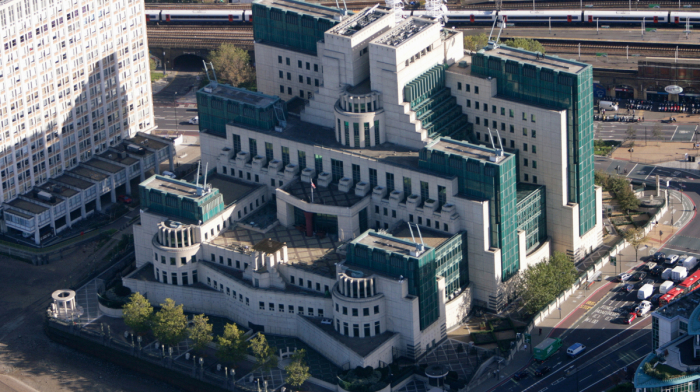
Iran designated Britain's Royal Navy and Royal Air Force as terrorist organisations on Sunday, (1 November), and classified the country's foreign intelligence agency, MI6, as a hostile group, according to a statement from the Iranian Foreign Ministry.
Thousands protested in Albania's capital, Tirana, on Saturday (31 October), demanding Prime Minister Edi Rama's resignation over perceived corruption allegations and dissatisfaction with the government over a lack of jobs and poor education standards.
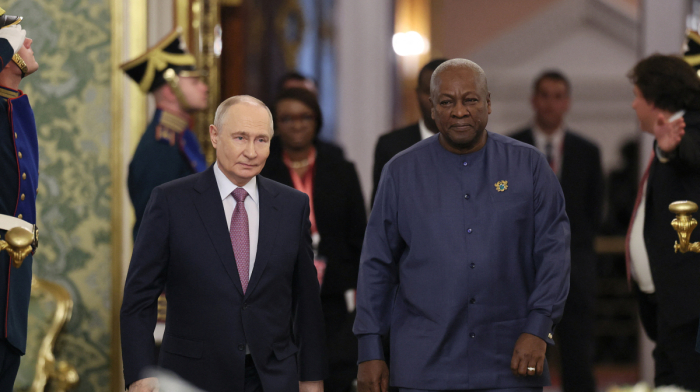
Russia has agreed to work with Ghana on developing a 2,000-megawatt nuclear power plant following talks at the Russia-Africa Summit in Moscow, Ghanaian Foreign Minister Samuel Okudzeto Ablakwa said on Saturday.
Foreign ministers from the U.S., Japan, Australia and India raised concerns over export restrictions and economic coercion at a Quad meeting in Atlanta, U.S., on Saturday, 31 October 2026, according to their joint statement.
You can download the AnewZ application from Play Store and the App Store.
What is your opinion on this topic?
Leave the first comment