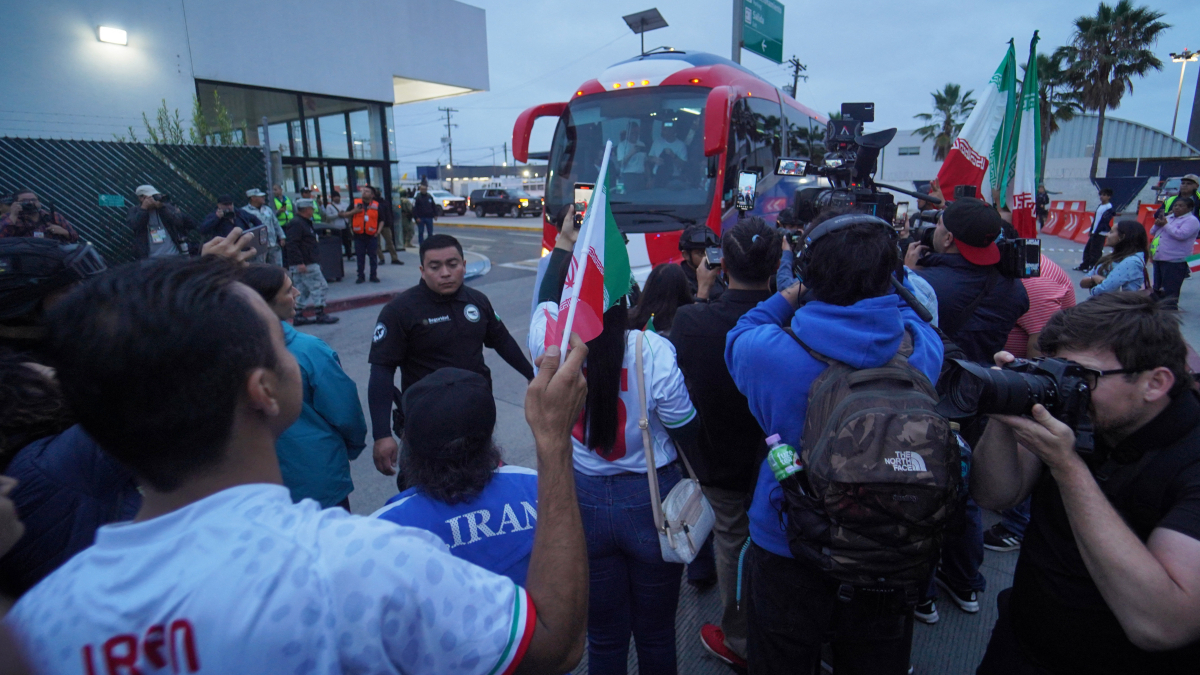
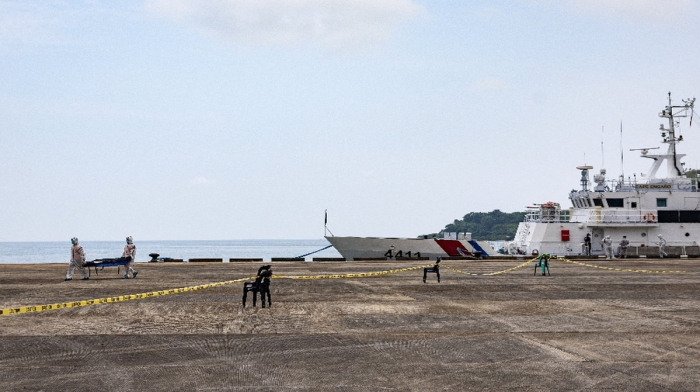
Iran's FIFA World Cup 2026 squad arrived in Mexico wearing badges bearing the hashtag "168" in memory of victims of the deadly Minab school missile strike, which occurred during the U.S. and Israeli raids on Iran on 28 February, according to the Iran Football Federation.
The Iranian squad arrived in Tijuana aboard a private jet from Antalya, Türkiye, on Monday after making a last-minute decision to base their training camp in Mexico rather than Tucson, Arizona, amid complications over U.S. visas and concerns about the team's safety.
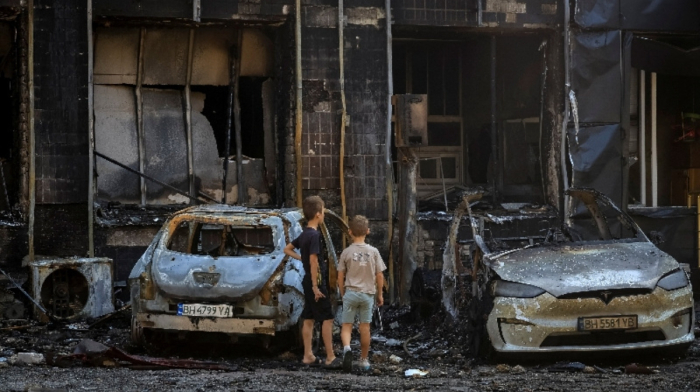
Amid an ongoing Iran-U.S. military standoff despite a fragile ceasefire, neither the United States nor Israel has claimed responsibility for the attack on the primary school in the southern province of Hormuzgan, which has drawn strong criticism from the United Nations and human rights organisations.
World Cup preparations overshadowed by politics
In May, residents of Iran's capital, Tehran, held a large send-off ceremony for the national football team, wishing them success ahead of their departure for FIFA World Cup 2026, which will be co-hosted by Canada, the U.S. and Mexico.
However, for many Iranians, the global sporting event has been overshadowed by politics in the aftermath of the Israeli-U.S. war against the Islamic Republic, as well as logistical challenges including visa issues and preparations for training camps.
Following the Israeli-U.S. military campaigns against Iran last June and again in late February this year, which lasted 40 days, Tehran called on FIFA to move Iran's World Cup matches from the United States to Mexico.
"We request FIFA to reconsider the venue of Iran squad’s matches and to shift them to Mexico due to security concerns," local Mexican media quoted Iran's Ambassador Abolfazl Pasandideh as saying in an interview with UNO TV in March.
Security concerns and Trump's remarks
Concerns over the team's safety intensified after U.S. President Donald Trump said on his Truth Social platform that Iranian players should skip the World Cup in the United States "for their own safety."
Iran subsequently increased its contacts with FIFA, citing security concerns following Trump's remarks.
Ultimately, the Iran Football Federation confirmed that the country would participate in the 2026 FIFA World Cup and urged tournament organisers to address concerns regarding the team's safety.
Visa disputes and travel restrictions
Last year, the Iran Football Federation also threatened to boycott the World Cup draw after the U.S. government failed to issue visas to all members of its delegation, including the federation's president.
However, it later reversed the decision and sent a delegation to the United States.
Since June 2025, Iranian citizens, along with nationals from 11 other countries, have been subject to a travel ban imposed by the Trump administration restricting entry to the United States.
Last December, Tehran protested to Washington over the travel restrictions affecting members of its football delegation as well as Iranian supporters wishing to travel to the United States to attend World Cup matches in 2026.
Iran's Foreign Ministry said it had formally protested against the U.S. administration's decision to deny visas to football federation officials, team support staff and Iranian fans hoping to watch their national team compete in the United States next year.
Tehran and Washington severed diplomatic relations following the 1979 Islamic Revolution, which overthrew the pro-Western Shah monarchy.
A difficult group awaits Iran
Ranked 21st in the world, Iran have qualified for the FIFA World Cup for a seventh time and will be appearing at a fourth consecutive tournament.
At FIFA World Cup 2026, Iran will face Belgium, Egypt and New Zealand after being drawn into Group G, a section that some football analysts have described as a "group of death."












What is your opinion on this topic?
Leave the first comment