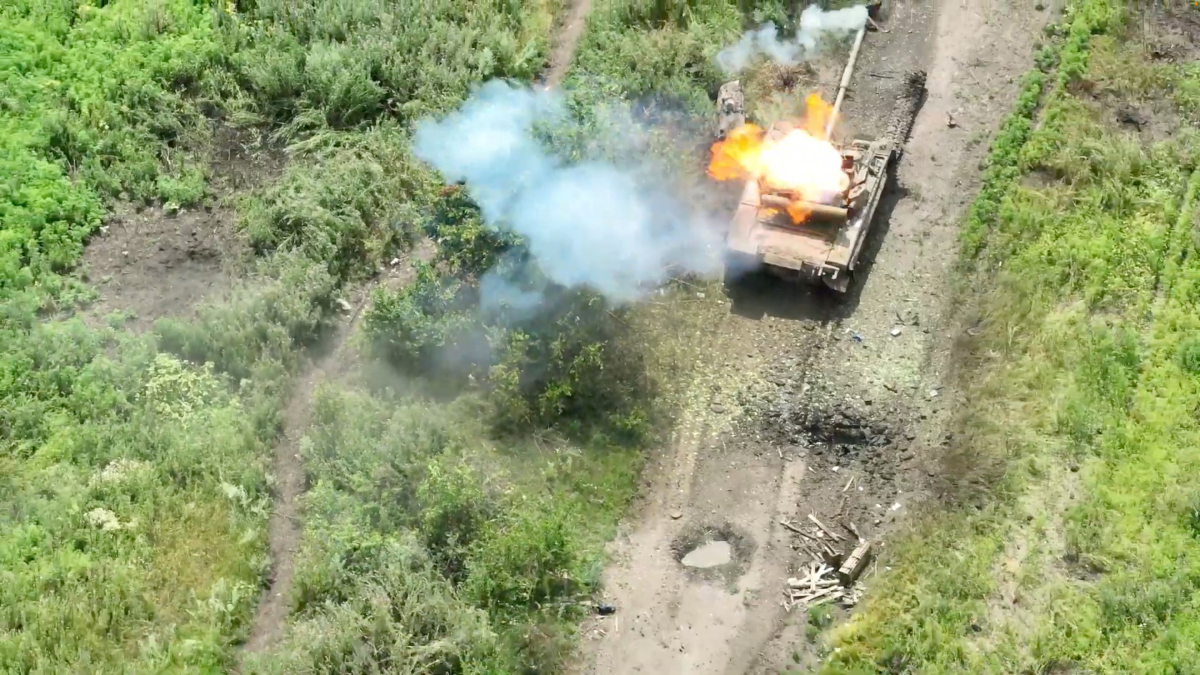
The Russian T-90M tank is worth an estimated $4.5 million and was designed to dominate the battlefield. Yet this steel giant has repeatedly been destroyed by something far smaller, faster and thousands of times cheaper: the drone.
In 21st-century warfare, unmanned aircraft costing as little as $5,000 are now capable of destroying military equipment worth millions. It is a stark illustration of a new “math of war” that is reshaping long-held assumptions about power, cost and battlefield effectiveness.
Nowhere is this shift more visible than in recent conflicts, where Ukrainian and Iranian war drones are being deployed at an unprecedented scale. According to the International Centre for Defence and Security, the Ukrainian Ministry of Defence (MoD) delivered over 1.2 million drones of various types in the first 11 months of 2024 in the war with Russia. These drones are used daily for surveillance, targeting and direct attacks. What was once a supporting technology has become a defining feature of modern combat.
What exactly is a military drone?
At a glance, many drones used in warfare resemble the quadcopters found in electronics shops. However, the differences are significant.
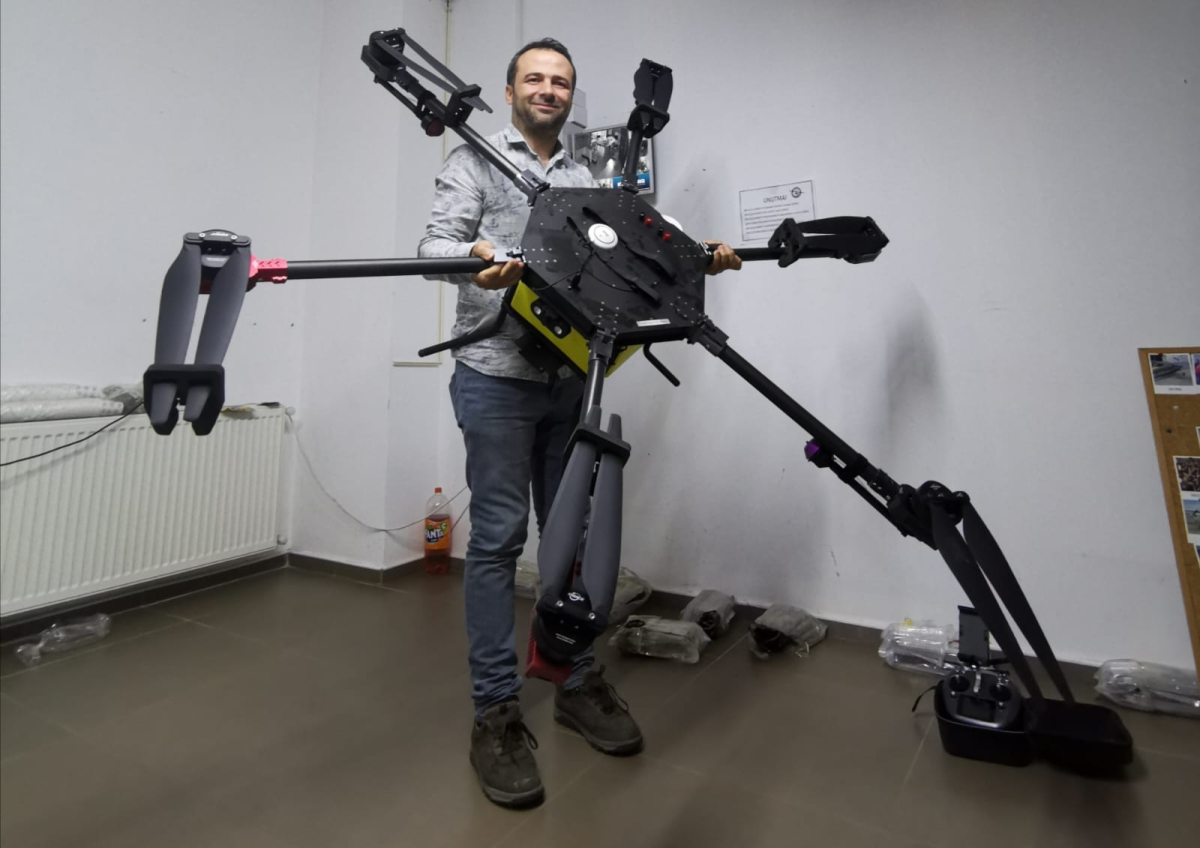
According to drone expert Mustafa Kaçan, founder of DroneTürk, the key distinction lies in what he calls “mission logic.”
“In the field, I separate them into three broad categories,” he explains, “platforms that generate reconnaissance and intelligence, commercial platforms adapted for combat environments, and one-way systems designed specifically for direct strike effect.”
Military drones are built specifically for battlefield conditions. They incorporate features such as secure communications, resistance to electronic jamming, extended range and integration into command-and-control systems. Their role goes beyond simple observation; they can detect, track and even designate targets using artificial intelligence.
According to the European Parliament, drones can be either armed or unarmed, deployed for intelligence, surveillance and reconnaissance (ISR) or direct action, and either recoverable or designed as one-way attack (OWA) systems that self-destruct upon impact. Some are remotely piloted using first-person view (FPV) goggles, while others operate as loitering munitions, autonomously seeking out pre-designated targets. The Iranian-designed Shahed-136 is a prominent example and has been widely used in recent conflicts.
These loitering munitions are often referred to as “kamikaze drones”. According to Chukwudi Ekwueme, Chairman of UNICCON Group and a member of the defence industry, he explained that kamikaze drones are a hybrid between a missile and a drone. He said, “They loiter over a target, then strike once. No recovery, single use, but highly precise.”
Commercial drones, originally designed for civilian use, can also be repurposed to provide valuable intelligence, including live imagery and coordinate data. While less robust, they are frequently adapted for improvised attacks.
Drones and the new “math of war.”
One of the most significant factors behind the rise of drones in military conflicts is cost.
Traditional military systems such as tanks and missile defence systems are expensive to build and operate. By contrast, many drones can be produced at a fraction of the cost.
The price of drones varies widely, but experts agree on their effectiveness. “It would be misleading to give a single cost figure,” Kaçan says, noting the wide range of systems now in use. “We are talking about an extremely broad spectrum, from tens of thousands of dollars at the low end to tens of millions at the high end.”
Even so, relatively inexpensive drones can have a disproportionate impact. “A low-cost system, when used in the right role, can create serious pressure on much more expensive assets,” he explains.
A recent report by AnewZ highlights the imbalance drones bring to conflict. It found that Gulf states, including Saudi Arabia and the UAE, are exploring a $2,500 Ukrainian-designed interceptor drone as a cheaper way to counter attacks that are depleting stockpiles of U.S.-made missiles in the U.S.–Israel–Iran conflict.
This imbalance creates a strategic dilemma for militaries. Using a missile costing hundreds of thousands of dollars to intercept a drone worth a few thousand can quickly become unsustainable. Beyond cost, drones also reduce the human cost of war.
Ukraine drones: the world’s first large-scale drone war
The war in Ukraine has brought these trends into sharp focus.
Drones are now a constant presence. Small, fast first-person-view (FPV) drones dominate the skies, making it extremely dangerous for troops or vehicles to move in the open.
In an interview with Reuters, Valentyn "Bodia" Bohdanov, a senior sergeant in Ukraine's 127th Separate Heavy Mechanised Kharkiv Brigade, said, ” They won't enter an open field: they'll be peppered by FPV drones and stronger ones.”
He said this while holed up in his T-72 tank. The heavy machinery has effectively been reduced to a static piece of artillery by drones.
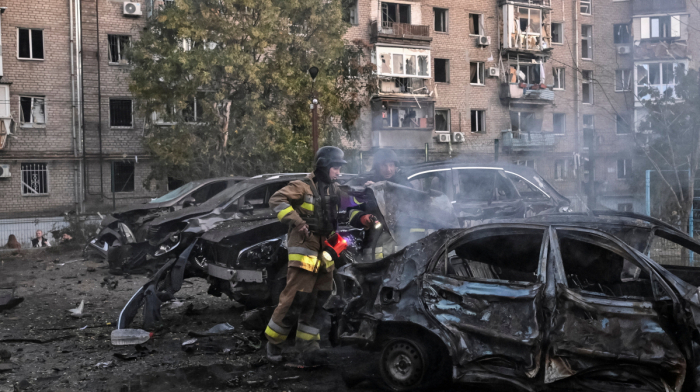
The constant presence of drones in the Russia–Ukraine war has created what some describe as a “kill zone”, where almost any movement can be detected and targeted.
Both Russia and Ukraine are deploying drones on a large scale. Russia has used Iranian-designed systems such as the Shahed-136, while Ukraine has focused on deploying large numbers of smaller, cheaper drones effectively.
The Ukraine and Iran drone connection
The war in Ukraine has influenced conflicts far beyond Europe.
Iran has become a key player in the global drone landscape, supplying systems such as the Shahed-136 to Russia and deploying similar technology in ongoing conflicts in the Middle East.
These drones are relatively inexpensive. According to Ekwueme, loitering munitions range from $4,000 to $80,000, small tactical systems from $10,000 to $700,000, and advanced systems from $1 million to over $50 million.
Their widespread use has ushered in an era of “precise mass.” Military analysts define this as the strategy of using large numbers of low-cost, accurate one-way attack drones.
Ukraine, meanwhile, has developed expertise in countering such threats, shooting down large numbers of incoming drones and developing interceptor systems of its own.
The limits of war drones
Despite their advantages, drones are not without challenges.
Key issues include maintaining communications, ensuring data security and adapting to rapidly evolving technology.
“Most failures,” he adds, “stem not from lack of capability in the device itself, but from insufficient understanding of system limitations.”
There is also the risk that captured drones could expose sensitive data, including flight paths and operational patterns.
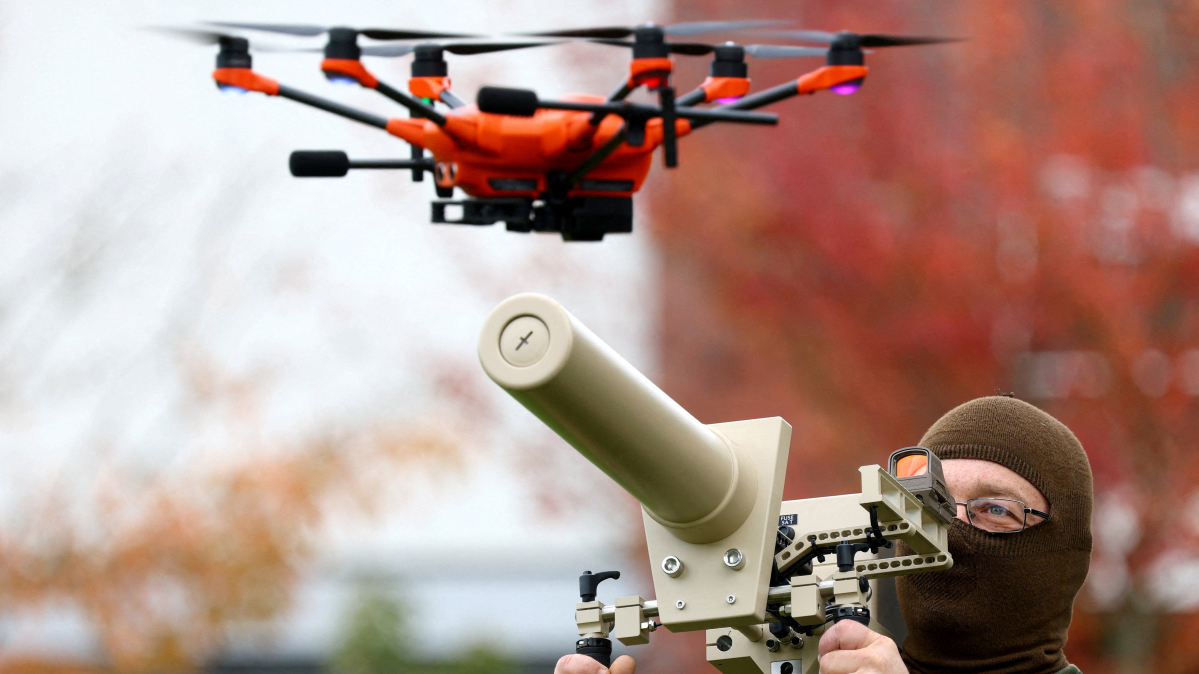
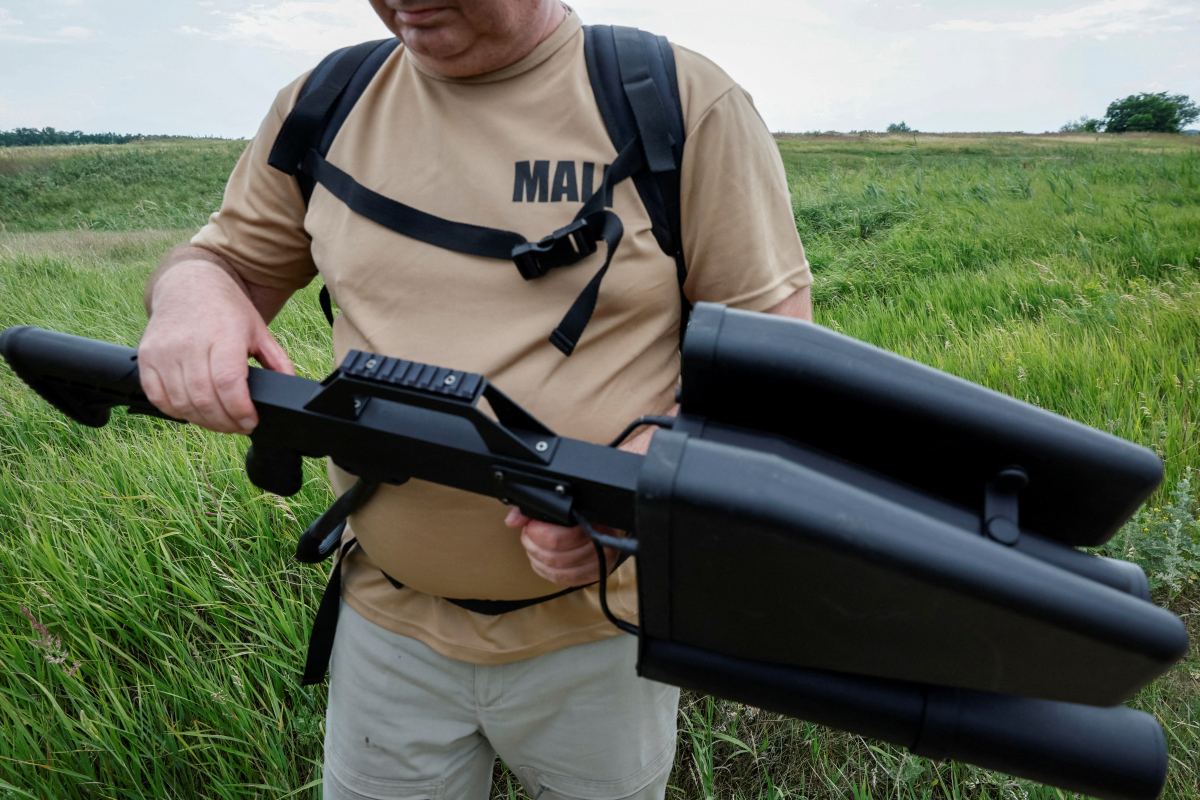
At the same time, counter-drone technologies are advancing, including electronic jamming, laser systems and interceptor drones.
Battery limitations continue to restrict operational duration, even as capabilities expand.
A new era of war drones
In the coming years, as drone technology continues to evolve rapidly, significant advances are expected in autonomy, artificial intelligence and swarm capability, where multiple drones operate as coordinated units.
“The real breakpoint will not be in flight itself, but in decision-making capability,” Kaçan says. “The systems that will stand out are those that process data more effectively and deliver more operational output with less human intervention.”
While Ekwueme sees a future of improved anti-jamming and stealth, he said, “Drones will become smaller, cheaper and more disposable and will become integrated into a fully networked warfare ecosystem.
As warfare becomes increasingly defined by cheap, intelligent machines rather than heavy armour, the decisive advantage may belong not to the nation with the largest arsenal, but to the one that can innovate, adapt and rapidly mass-produce intelligent systems operating across land, sea and air.
















What is your opinion on this topic?
Leave the first comment