China launches vast solar power project in Xizang to boost renewable energy capacity
Construction has begun on a major new solar power project in Xizang, as China continues to expand its renewable energy capacity and push towards a ...
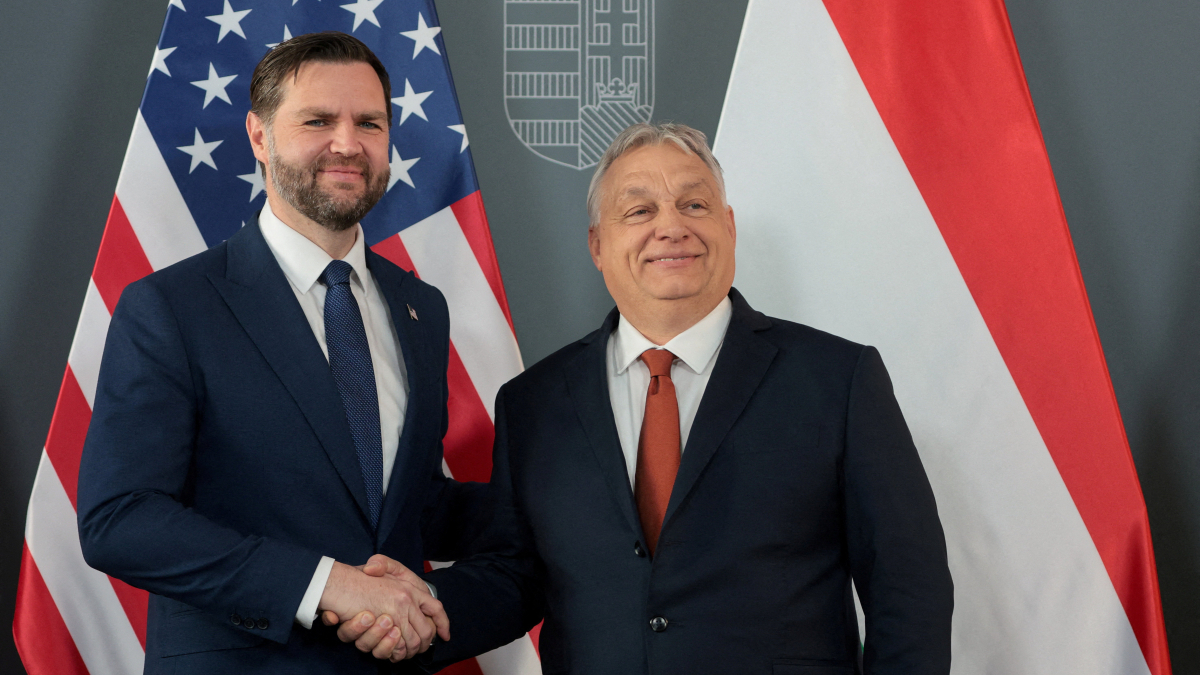
U.S. Vice-President J.D. Vance began a visit to Budapest on Tuesday by praising Prime Minister Viktor Orbán, who faces a closely contested parliamentary election on Sunday.
Vance’s trip comes as opinion polls suggest Orbán, in power since 2010, could face a serious challenge in the 12 April vote. The Hungarian leader has strong backing from figures on the American right, particularly allies of U.S. President Donald Trump, who has described him as a powerful and influential figure.
Before closed-door talks, Vance conveyed a message from Trump, saying the president admired both Orbán and the Hungarian people, highlighting what he called their “remarkable culture”.
Speaking alongside Orbán, Vance sharply criticised the European Union, accusing officials in Brussels of attempting to undermine Hungary ahead of the election.
“The bureaucrats in Brussels have tried to destroy the economy of Hungary. They have tried to make Hungary less energy independent. They have tried to drive up costs for Hungarian consumers. And they've done it all because they hate this guy,” Vance said.
He described the actions as among the most serious examples of foreign interference in an election.
Hungarian Foreign Minister Péter Szijjártó said discussions during the visit would focus on migration, global security, and economic and energy cooperation between the two countries.
The visit also comes amid growing energy ties. Bloomberg previously reported that Hungarian oil company MOL had agreed to purchase around 500,000 tonnes of oil from the U.S. in a deal worth roughly $500 million.
Orbán, a Eurosceptic who has maintained close relations with Russia and taken a firm stance against liberal policies, has become a prominent figure among conservative movements abroad. His re-election is seen by supporters in the U.S. as strategically significant.
The outcome of Hungary’s election is being closely watched internationally, with attention focused on both domestic political dynamics and broader geopolitical implications.

U.S. President Donald Trump on Monday told reporters that Iran could be taken out in one night, "and that night might be tomorrow night," warning Tehran it had to make a deal by Tuesday night or face wider bombing raids.
The crew of Artemis II mission are entering a pivotal phase of their journey, as they prepare to swing around the Moon and head back towards Earth. Now on the fifth day of their 10-day mission, the four astronauts are already witnessing views no human has ever seen.
A new proposal to end hostilities between the United States and Iran could come into effect as soon as Monday, potentially reopening the vital Strait of Hormuz, a source familiar with the plan said on Monday.
As Hungary approaches a crucial vote, younger citizens who grew up under Prime Minister Viktor Orbán are increasingly backing the opposition, with some saying they may leave if he secures another term.
Oil prices rose sharply on Monday as fears deepened over potential supply shortages caused by the ongoing conflict in the Middle East, unsettling global energy markets and the row over the Strait of Hormuz, raising concerns for consumers and businesses alike.
Construction has begun on a major new solar power project in Xizang, as China continues to expand its renewable energy capacity and push towards a greener future.
A shooting outside the Israeli consulate in Istanbul’s Beşiktaş district has left three people dead and two police officers injured, according to local media, prompting a major police response on Tuesday.
A train driver has died and several passengers have been injured after a high-speed train collided with an army lorry carrying military equipment at a level crossing in northern France on Tuesday morning (7 April), the local prefecture and railway operators said in separate statements.
Chinese President Xi Jinping has ordered the accelerated development of a “new energy system” to safeguard national energy security, as the ongoing Iran conflict continues to trigger severe global energy shocks.
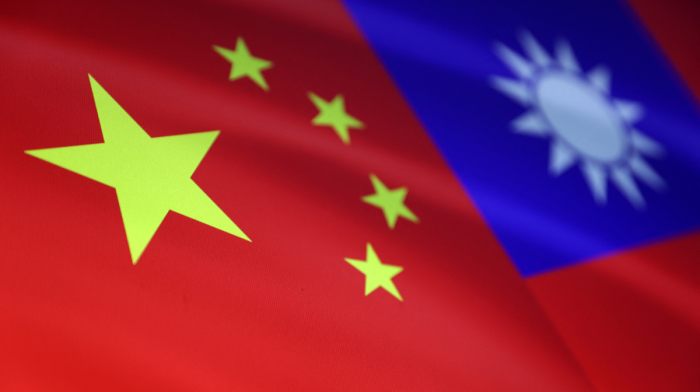
Taiwan’s opposition leader Cheng Li-wun arrived in China for “peace” talks on Tuesday (7 April). Her visit to the country is the first by a leader of the Kuomintang (KMT), currently Taiwan’s largest opposition party, in more than a decade.
You can download the AnewZ application from Play Store and the App Store.
What is your opinion on this topic?
Leave the first comment