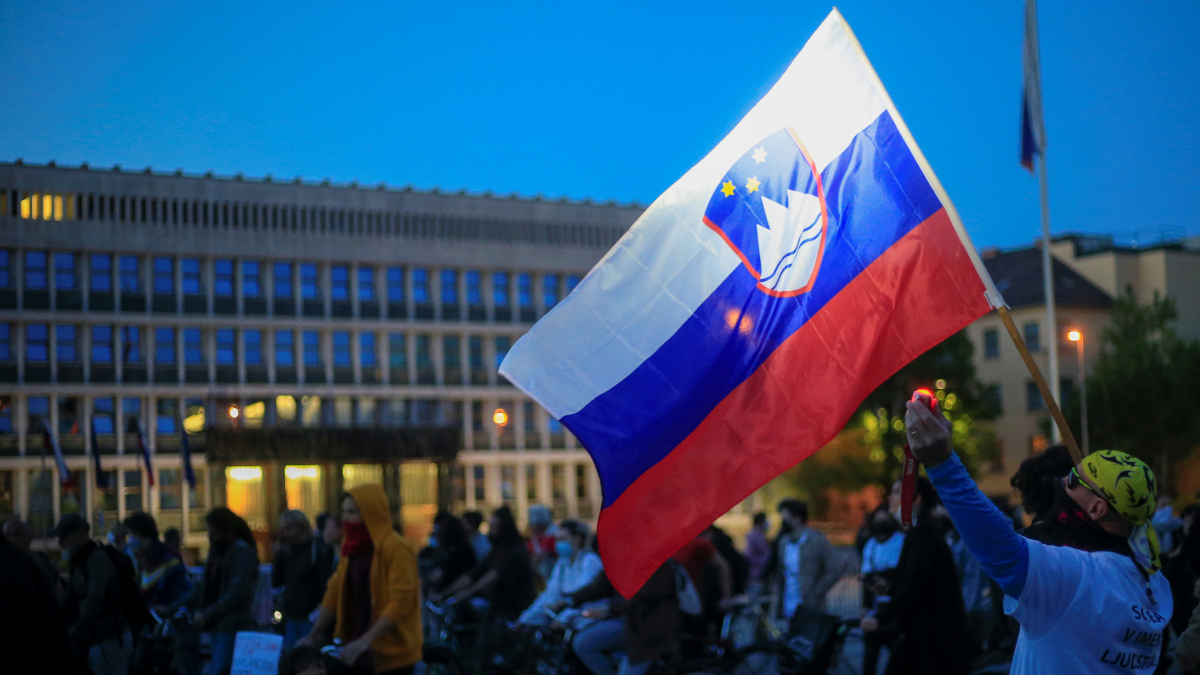
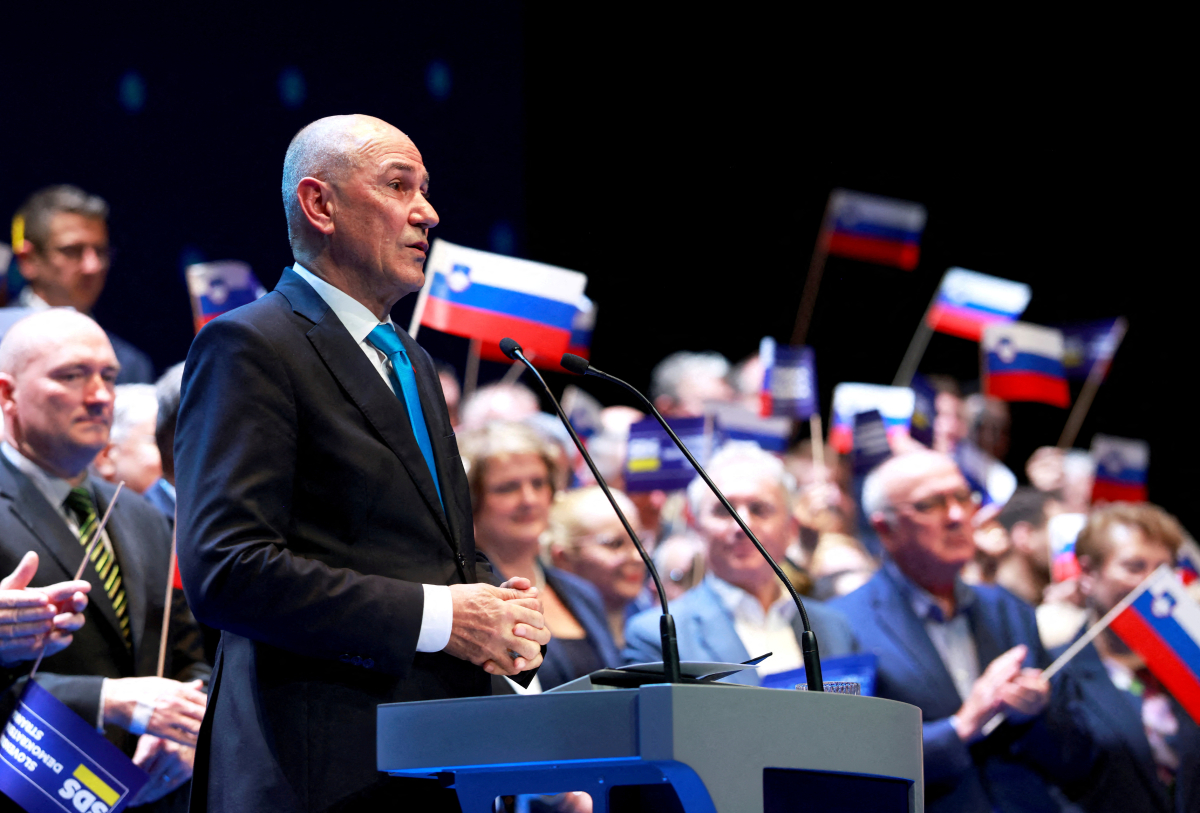
Slovenia heads to the polls on Sunday (22 March) in a closely contested race between incumbent Prime Minister Robert Golob and right-wing former Prime Minister Janez Janša.
Opinion polls suggest a tight contest between Golob’s Freedom Movement (GS) and Janša’s Slovenian Democratic Party (SDS), with the outcome likely to depend on smaller parties and post-election coalition-building.
Janez Janša has previously served three terms as prime minister (from 2004 to 2008, briefly in 2012–2013, and again from 2020 to 2022), making him one of Slovenia’s most experienced and polarising political figures.
By contrast, Robert Golob rose rapidly in national politics ahead of the 2022 election, when his Freedom Movement secured a record result on a reform-focused platform centred on strengthening public services, advancing green policies and restoring trust in state institutions after years of political turbulence.
Policy divide
The two candidates offer sharply contrasting domestic agendas.
Golob has prioritised social policy, the green transition, and institutional reform, while Janša has pledged tax cuts and a more business-oriented approach.
Foreign policy - particularly the Israel-Palestine conflict - has emerged as a key dividing line. Under Golob, Slovenia has taken a more critical stance on Israel and recognised Palestinian statehood in 2024.
Janša, by contrast, is a supporter of Benjamin Netanyahu and has criticised Slovenia’s recognition of Palestine.
Controversy over alleged interference
The final days of the campaign have also been overshadowed by allegations of foreign interference. Golob has warned of possible external involvement following reports that representatives of the Israeli private intelligence firm Black Cube visited the country.
French President Emmanuel Macron said there were signs of interference affecting elections across Europe.
Janša has acknowledged meeting a representative of Black Cube but said the contact was informal, denying any involvement in or knowledge of alleged influence operations.
He rejected accusations that his party had co-operated with foreign actors to interfere in Slovenia’s electoral process, calling the claims politically motivated. No evidence has been publicly presented linking him or his party directly to any wrongdoing.
With no clear frontrunner, smaller parties are expected to play a decisive role in forming the next government, shaping Slovenia’s domestic direction and foreign policy in the years ahead.












What is your opinion on this topic?
Leave the first comment