




23:25 CET
Nigeria confirms Ebola case in Abuja
Nigerian health authorities have confirmed a case of Ebola disease in the Federal Capital Territory (FCT)...
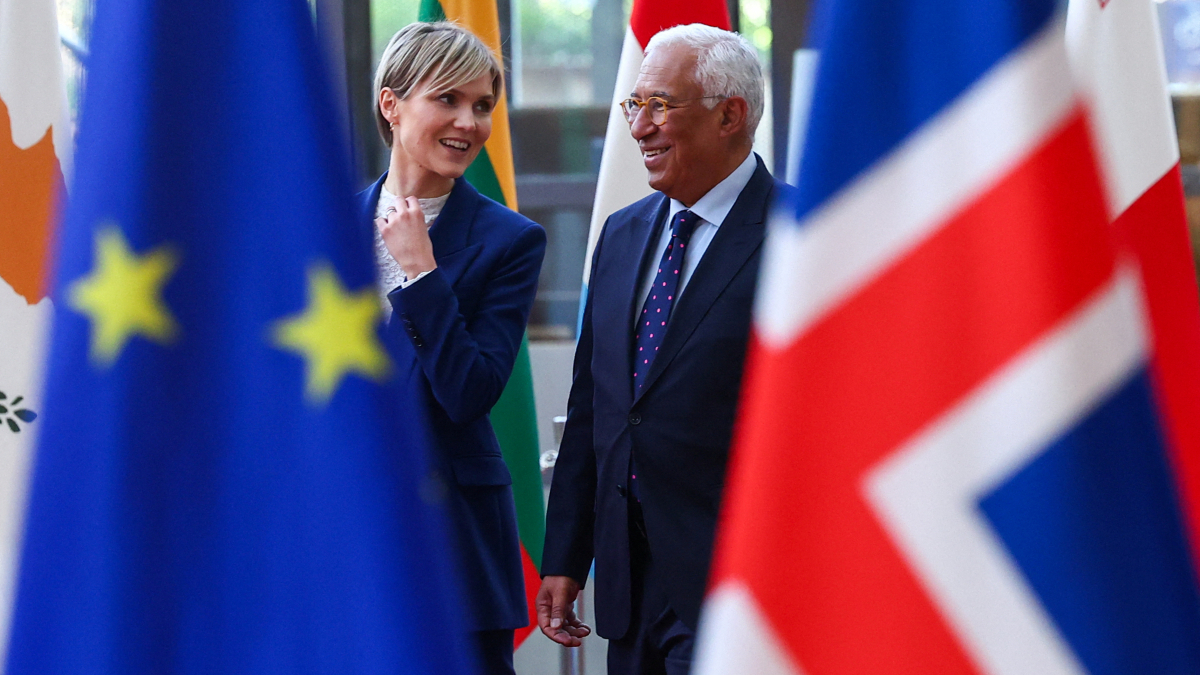


Iceland could reopen talks on joining the European Union after a 13-year pause, as shifting security concerns and renewed economic debate bring EU membership back to the centre of national politics.
The country first applied to join the bloc after the 2008 financial crisis, but the process was halted in 2013 when a Eurosceptic coalition took power.
The 2008 global financial crisis hit Iceland harder than almost any other country. The nation’s three main banks had expanded aggressively in the early 2000s, growing to around nine times the country’s GDP by 2008, when they collapsed within days of each other.
Denmark protests back Greenland as Trump threatens tariffs over Arctic island
The economic fallout was severe. Inflation surged to 18 per cent, unemployment quadrupled to 10 per cent, and the Icelandic króna lost half of its value. In 2009, amid mounting public anger over the country’s financial situation, an election was called.
A left-wing coalition led by Social Democratic Alliance leader Jóhanna Sigurðardóttir came to power and put forward plans for Iceland to apply to the EU as a means of stabilising the economy.
By 2013, Iceland’s application to join the EU had made significant progress. However, following that year’s election, a Eurosceptic centre-right coalition led by Sigmundur Davíð Gunnlaugsson’s Progressive Party took office.
The new government suspended negotiations with the EU, insisting that talks should not resume without approval in a national referendum. In the end, no such vote was held.
Although the question of EU membership never fully disappeared, Iceland spent much of the 2010s focused on recovery and economic transformation.
A decade later, however, shifting geopolitical tensions have brought the issue back into focus. Russia’s invasion of Ukraine, alongside remarks by U.S. President Donald Trump about taking control of Greenland, has pushed EU membership back up the political agenda.

In 2024, the Social Democratic Party, now led by Kristrún Frostadóttir, won the election and formed a new centre-left coalition. The government pledged to hold a referendum on restarting EU negotiations by 2027 but has since accelerated the timetable, with a public vote now planned for August this year.
If voters support reopening talks, a second referendum would be held before any final decision on joining, subject to approval by EU member states.
According to a Gallup poll cited by RÚV, Iceland’s public broadcaster, 57 per cent of the population support restarting EU talks, while 30 per cent oppose the move. Surveys suggest that public opinion has become more favourable towards EU membership since the 2010s.
Opposition remains strongest in the fishing and agriculture sectors.
Fishermen are concerned about being required to share fish stocks in the country’s North Atlantic waters with other EU nations. The fishing industry, including processing, accounts for roughly 8.1 to 12 per cent of Iceland’s GDP.
Farmers, heavily subsidised by the Icelandic government, fear increased competition from imports and potential reductions in financial support under EU rules.
Prime Minister Kristrún Frostadóttir has acknowledged that fisheries, agriculture and the labour market are likely to be the most challenging issues in any renewed negotiations.
Iceland already maintains close ties with the EU. It is a member of the European Economic Area (EEA), which allows the free movement of people, capital, services and goods between EU countries, as well as Iceland and Norway. It also participates in the Schengen Area, enabling passport-free travel across much of Europe.
Although the EU accession process is lengthy and bureaucratic - requiring unanimous approval from all member states - Iceland’s strong democratic institutions and close alignment with EU legislation make it a particularly strong candidate.
"Should you choose to pursue EU membership, Iceland would certainly be a frontrunner in this process,” EU foreign policy chief Kaja Kallas recently said.
Prime Minister Kristrún Frostadóttir has suggested that membership could be achieved “before the end of 2028” if voters approve the move in referendums.

Nigerian health authorities have confirmed a case of Ebola disease in the Federal Capital Territory (FCT)...
China has lodged a formal diplomatic protest with the UK after British border officials allegedly subjected Chinese travellers to lengthy questioni...
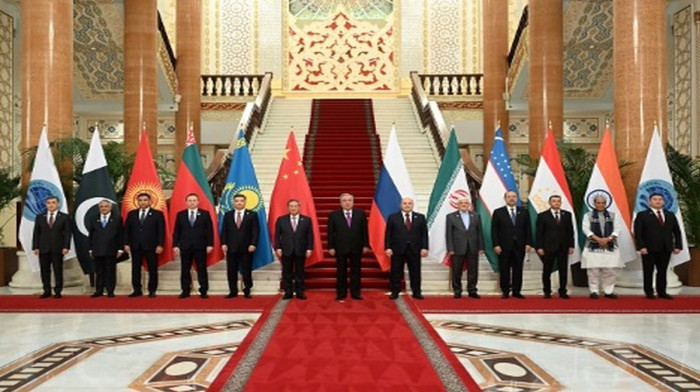
Member states of the Shanghai Cooperation Organisation (SCO) prevented 273 terrorist attacks and more than 3,000 crimes linked to terrorism, separa...
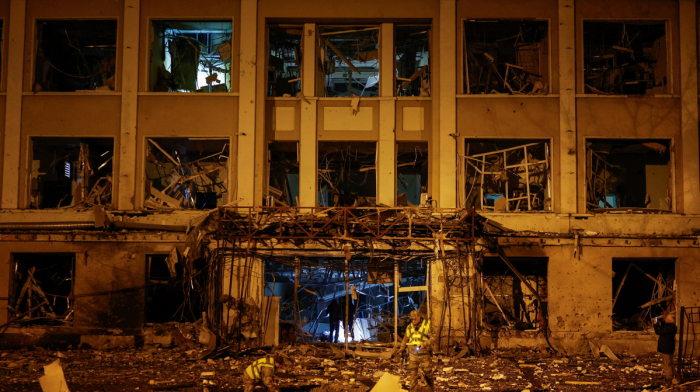
U.S. President Donald Trump has criticised Ukrainian President Volodymyr Zelenskyy for continuing to target Russia's energy infrastructure, while Russian strikes on Kyiv overnight killed at least one person and damaged a metro station.
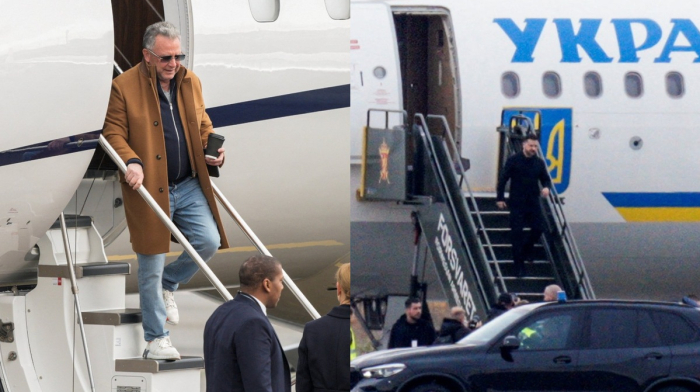
Ukrainian President Volodymyr Zelenskyy has arrived in Norway for talks about the Russia-Ukraine war. He is expected to meet with U.S. President Donald Trump's Special Envoy Steve Witkoff, who arrived in Oslo earlier. Witkoff will also meet European officials.
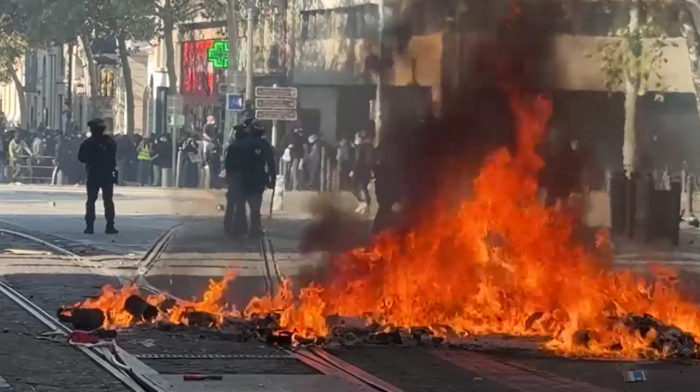
French President Emmanuel Macron has condemned the violence, looting and vandalism that erupted during cost-of-living protests across France. Prime Minister Sébastien Lecornu held crisis talks on Monday, calling for partial curfews and raising the possibility of a state of emergency.
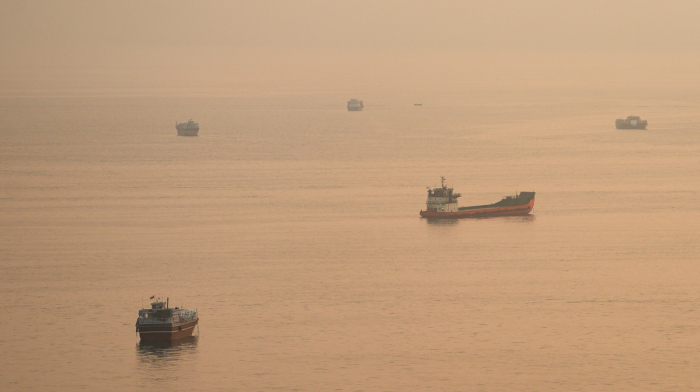
An oil tanker caught fire after striking a naval mine in the southern part of the Strait of Hormuz, Iran’s Islamic Revolutionary Guard Corps (IRGC) Navy said late Sunday.
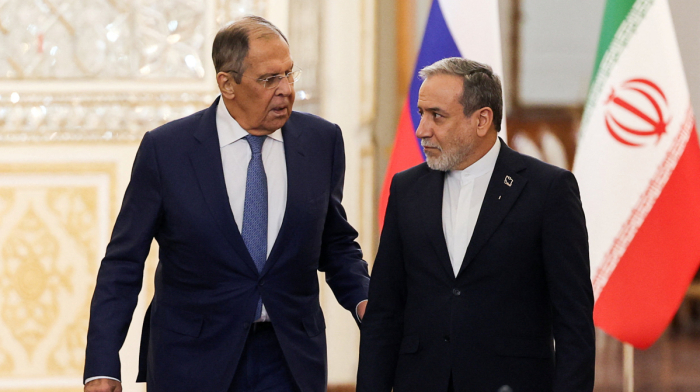
Iranian Foreign Minister Abbas Araghchi said regional issues should be resolved through diplomacy and blamed the United States for insecurity and tensions in the Strait of Hormuz, speaking at a joint news conference with Russian Foreign Minister Sergey Lavrov on Monday.
Nigerian health authorities have confirmed a case of Ebola disease in the Federal Capital Territory (FCT), prompting the activation of emergency public health measures aimed at preventing further transmission of the deadly virus.
China has lodged a formal diplomatic protest with the UK after British border officials allegedly subjected Chinese travellers to lengthy questioning and seized personal electronic devices, including phones, laptops and smartwatches.
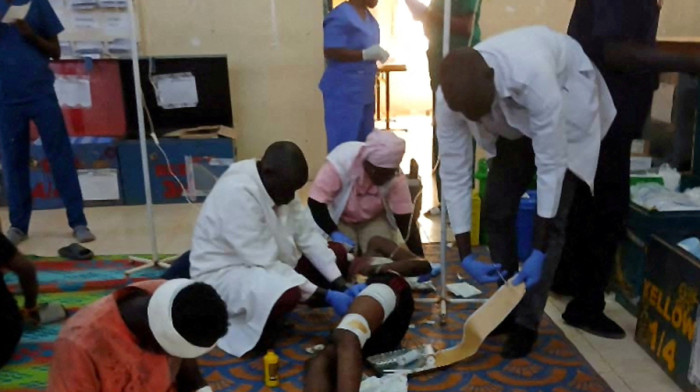
More than 150 people have been killed in a drone strike on a crowded market in the disputed Abyei region, South Sudanese officials said, marking one of the deadliest attacks linked to Sudan's civil war since it began in April 2023.
Ukrainian President Volodymyr Zelenskyy has arrived in Norway for talks about the Russia-Ukraine war. He is expected to meet with U.S. President Donald Trump's Special Envoy Steve Witkoff, who arrived in Oslo earlier. Witkoff will also meet European officials.
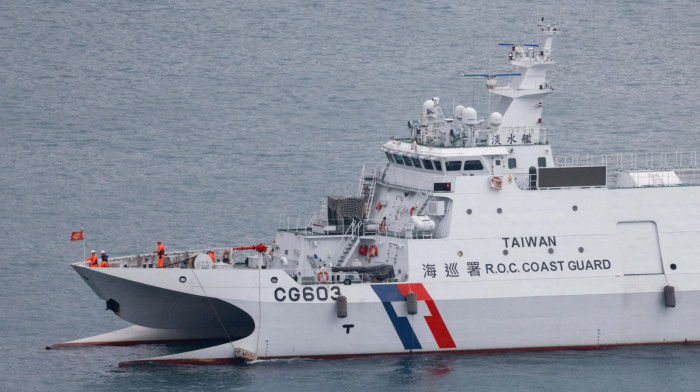
Beijing says it deployed naval forces to monitor a U.S. warship near Sabina Shoal, while Taiwan reports a separate confrontation with a Chinese coast guard vessel near the Pratas Islands.
You can download the AnewZ application from Play Store and the App Store.




What is your opinion on this topic?
Leave the first comment