




23:25 CET
Nigeria confirms Ebola case in Abuja
Nigerian health authorities have confirmed a case of Ebola disease in the Federal Capital Territory (FCT)...


Thousands of protesters rallied across Denmark on Saturday in a show of solidarity with Greenland after Donald Trump threatened to use economic pressure, including tariffs, and did not rule out force to secure U.S. control of the Arctic island, demonstrators and organisers said.
The protests came a day after Trump said he was considering using tariffs against countries opposing U.S. plans related to Greenland.
Crowds gathered in Copenhagen’s City Hall Square before marching to the U.S. embassy, chanting “Greenland is not for sale” and “Hands off Greenland”, while waving Greenland’s red-and-white Erfalasorput flag.
Protests were also reported elsewhere in Denmark, with a further rally planned later on Saturday in Nuuk, Greenland’s capital.
“I am very grateful for the huge support we as Greenlanders receive,” said Julie Rademacher, chair of Uagut, an organisation for Greenlanders in Denmark. “Greenland and the Greenlanders have involuntarily become the front in the fight for democracy and human rights.”
Reuters video showed thousands of demonstrators, though police and organisers declined to give an official crowd estimate.
Trump said on Friday that he could use tariffs to pressure countries that do not support Washington’s position on Greenland, arguing that the island is vital for U.S. national security.
Speaking during a White House roundtable on rural healthcare, Trump said economic measures could be deployed against governments that “don’t go along with Greenland”, recalling how he previously used the threat of tariffs to influence French drug-pricing policy.
Earlier this week, he said anything short of total U.S. control of Greenland would be “unacceptable”.
There is no agreement or legal framework allowing a transfer of sovereignty, and both Denmark and Greenland have rejected the idea of U.S. control, stressing that Greenland’s future can only be decided by its people.
Trump’s repeated statements have triggered an unprecedented diplomatic crisis between Washington and Copenhagen, both founding members of NATO, and have drawn sharp criticism from European allies.
Greenland, home to about 57,000 people, has enjoyed broad self-rule since 1979 but remains part of the Kingdom of Denmark, which retains control over defence and foreign policy and funds much of the territory’s administration.
All five parties in Greenland’s parliament ultimately favour independence, though they differ on timing and have recently said they would rather remain within Denmark than become part of the United States.
The demonstrations were organised by Greenlandic groups in cooperation with ActionAid Denmark. “We demand respect for the Danish Realm and for Greenland’s right to self-determination,” said Camilla Siezing, chair of Inuit, the Joint Association of Greenlandic Local Associations in Denmark. About 17,000 Greenlanders live in Denmark, according to official figures.
A Reuters/Ipsos poll found that just 17% of Americans approve of Trump’s efforts to acquire Greenland, with large majorities of both Democrats and Republicans opposing the use of military force. Trump has dismissed the poll as “fake”.
Why does Greenland matter?
Greenland is a semi-autonomous territory within the Kingdom of Denmark, which retains control over defence and foreign policy. While Greenland is not a NATO member itself, it is tied to the alliance through Denmark and plays a growing role in transatlantic security.
Its strategic importance has increased as Arctic ice melts, opening new shipping routes between North America and Europe. The island also holds significant, largely untapped mineral resources, including rare earths vital for advanced technologies and defence industries.
The United States already maintains a military presence at Pituffik Space Base, which is central to missile warning and space surveillance for the U.S. and NATO.
Trump’s comments come as NATO sharpens its focus on the Arctic amid growing competition with Russia and China.
Troops from five European countries were recently deployed to Greenland for a short mission aimed at strengthening coordination in Arctic conditions, while Denmark has announced plans to boost its military presence there with allied support.
Diplomatic engagement has intensified in Washington. The foreign ministers of Denmark and Greenland met this week with Vice President JD Vance and Secretary of State Marco Rubio as allies seek to manage the fallout from Trump’s remarks.
European officials have warned that linking tariffs or other economic pressure to Greenland could escalate trade disputes and further strain transatlantic relations, adding to geopolitical uncertainty in the Arctic.
Trump has not outlined a clear timeline or legal mechanism for imposing tariffs linked to Greenland, leaving allies uncertain about Washington’s next steps.
With NATO increasing its Arctic footprint and European allies reinforcing their presence in Greenland, tensions are likely to persist, potentially shaping both transatlantic relations and the future balance of power in the region.

Nigerian health authorities have confirmed a case of Ebola disease in the Federal Capital Territory (FCT)...
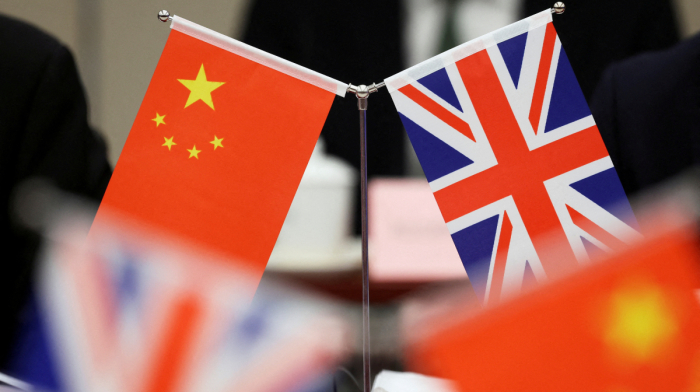
China has lodged a formal diplomatic protest with the UK after British border officials allegedly subjected Chinese travellers to lengthy questioni...
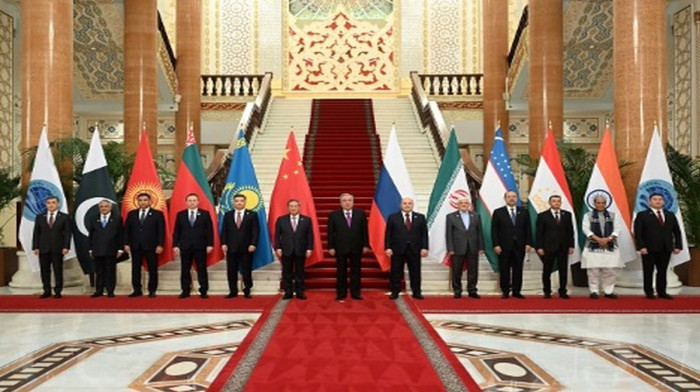
Member states of the Shanghai Cooperation Organisation (SCO) prevented 273 terrorist attacks and more than 3,000 crimes linked to terrorism, separa...
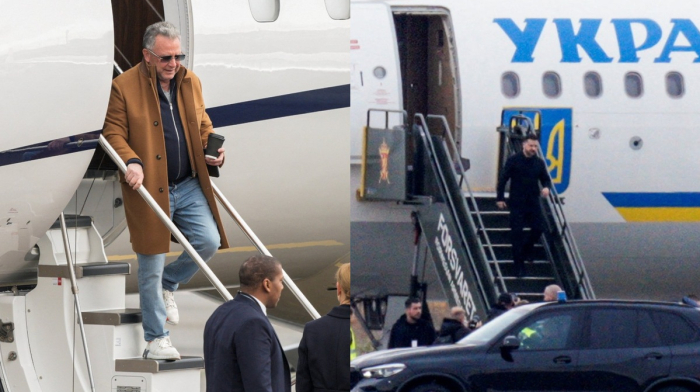
Ukrainian President Volodymyr Zelenskyy has arrived in Norway for talks about the Russia-Ukraine war. He is expected to meet with U.S. President Donald Trump's Special Envoy Steve Witkoff, who arrived in Oslo earlier. Witkoff will also meet European officials.
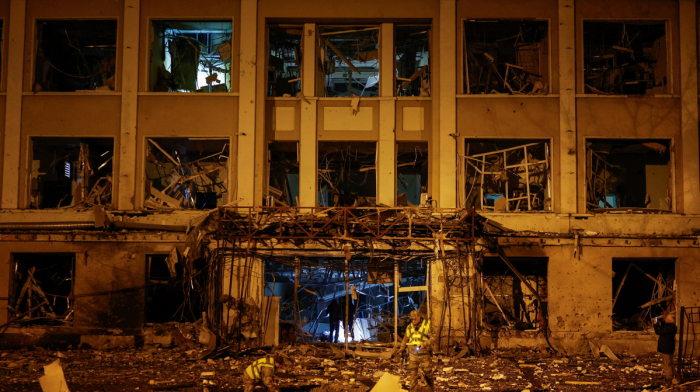
U.S. President Donald Trump has criticised Ukrainian President Volodymyr Zelenskyy for continuing to target Russia's energy infrastructure, while Russian strikes on Kyiv overnight killed at least one person and damaged a metro station.
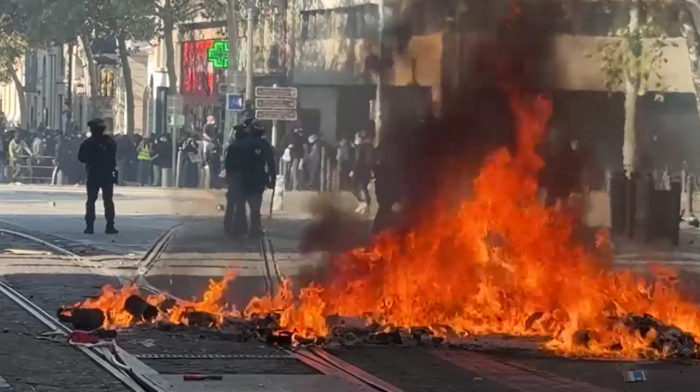
French President Emmanuel Macron has condemned the violence, looting and vandalism that erupted during cost-of-living protests across France. Prime Minister Sébastien Lecornu held crisis talks on Monday, calling for partial curfews and raising the possibility of a state of emergency.
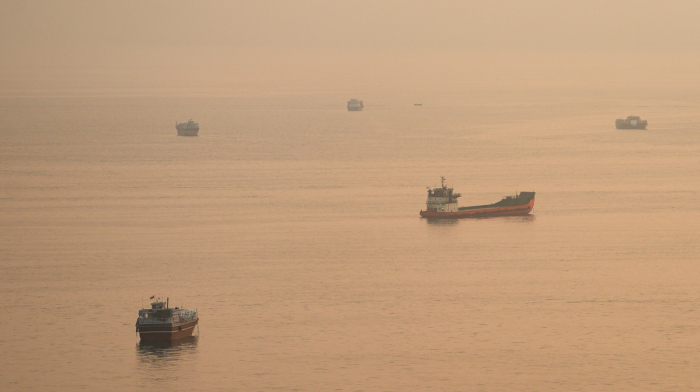
An oil tanker caught fire after striking a naval mine in the southern part of the Strait of Hormuz, Iran’s Islamic Revolutionary Guard Corps (IRGC) Navy said late Sunday.
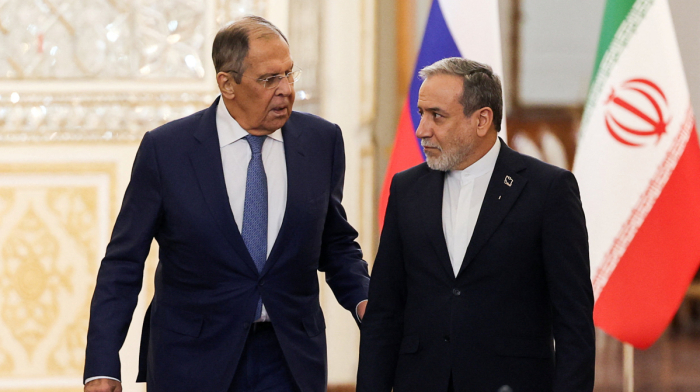
Iranian Foreign Minister Abbas Araghchi said regional issues should be resolved through diplomacy and blamed the United States for insecurity and tensions in the Strait of Hormuz, speaking at a joint news conference with Russian Foreign Minister Sergey Lavrov on Monday.
Nigerian health authorities have confirmed a case of Ebola disease in the Federal Capital Territory (FCT), prompting the activation of emergency public health measures aimed at preventing further transmission of the deadly virus.
China has lodged a formal diplomatic protest with the UK after British border officials allegedly subjected Chinese travellers to lengthy questioning and seized personal electronic devices, including phones, laptops and smartwatches.
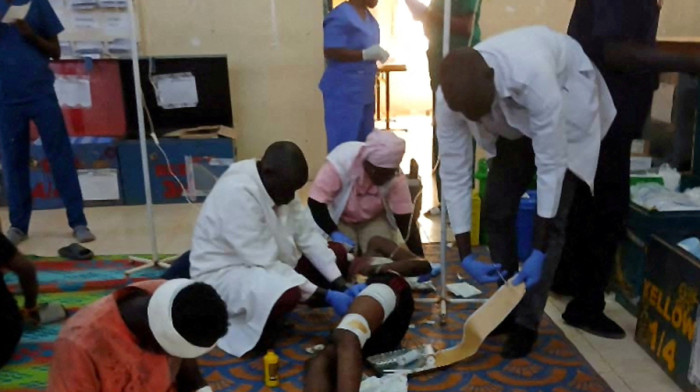
More than 150 people have been killed in a drone strike on a crowded market in the disputed Abyei region, South Sudanese officials said, marking one of the deadliest attacks linked to Sudan's civil war since it began in April 2023.
Ukrainian President Volodymyr Zelenskyy has arrived in Norway for talks about the Russia-Ukraine war. He is expected to meet with U.S. President Donald Trump's Special Envoy Steve Witkoff, who arrived in Oslo earlier. Witkoff will also meet European officials.
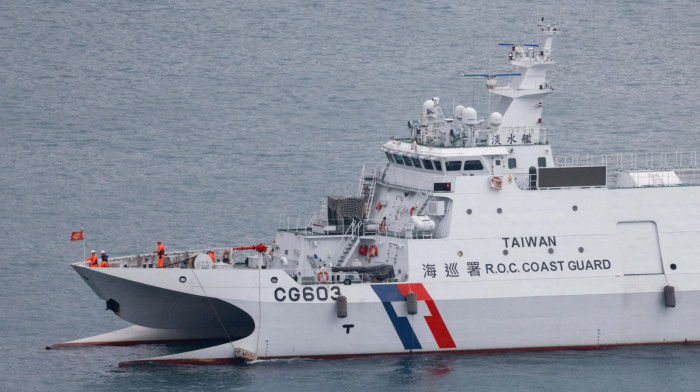
Beijing says it deployed naval forces to monitor a U.S. warship near Sabina Shoal, while Taiwan reports a separate confrontation with a Chinese coast guard vessel near the Pratas Islands.
You can download the AnewZ application from Play Store and the App Store.




What is your opinion on this topic?
Leave the first comment