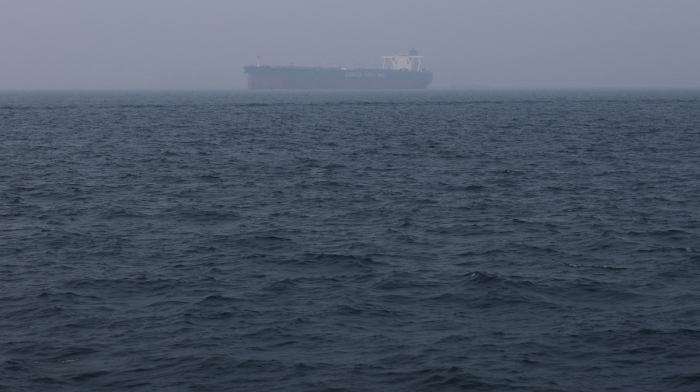
live Trump urges action at Strait of Hormuz as 20,000 sailors stranded- Middle East, 31 March
The Iran-U.S.-Israel conflict is escalating further with missile and drone attacks, expanded strikes on key infrastructure, and growing regional fa...
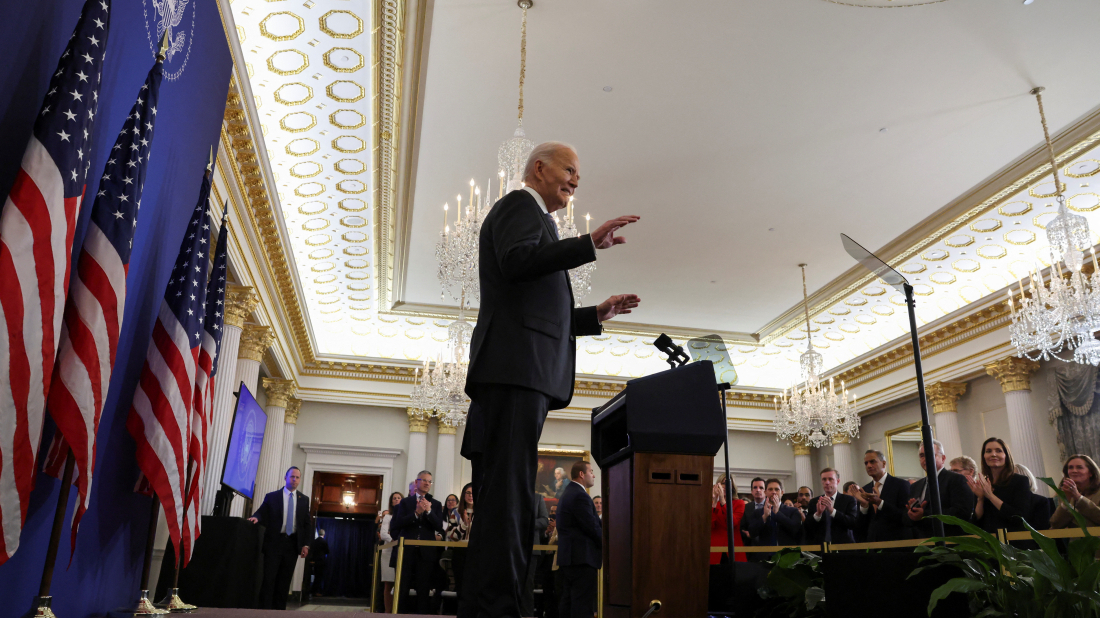
A ceasefire deal in Gaza is very close to completion, according to the US President Joe Biden. Speaking at the State Department Biden highlighted his administration's ongoing efforts to broker a deal between Israel and Hamas.
In a speech at the State Department on January 13, President Joe Biden expressed optimism that a deal to end the Gaza conflict and secure the release of hostages was close to being finalized. He confirmed that his administration is working urgently to conclude the agreement, which he said is based on a proposal he outlined months ago.
Biden, speaking about the progress in the negotiations, conveyed cautious optimism despite the ongoing challenges. “The war between Israel and Hamas, we’re on the brink of a proposal that I laid out in detail months ago, finally coming to fruition,” Biden said. He emphasized the importance of perseverance, adding that he had spoken with key leaders, including the Prime Minister of Israel, the Emir of Qatar, and plans to speak with Egyptian President Abdel Fattah el-Sisi soon.
Despite the ongoing challenges in finalizing the agreement, Biden remained hopeful that these diplomatic efforts would soon bring an end to more than 14 months of violence.

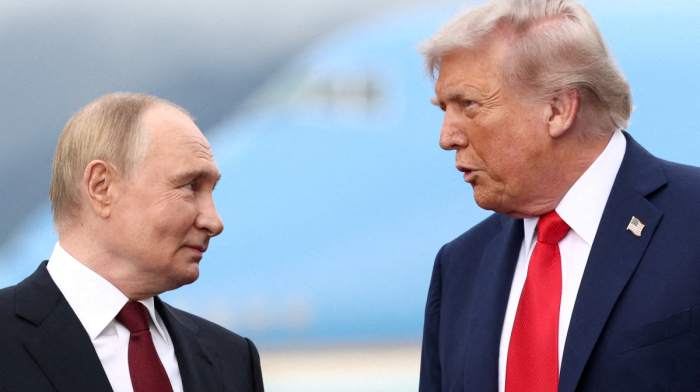
U.S. President Donald Trump has said that the U.S is in talks with the new Iranian regime. He said this in a post on his Truth Social account but warned that the U.S. will "Obliterate" Iran's electric and oil facilities if no deal is reached, especially regarding the Strait of Hormuz closure.
NASA is aiming to launch its Artemis 2 mission on Wednesday (1 April), sending astronauts on a 10-day journey around the Moon, officials confirmed. According to the Space Administration, the launch window is due to open at 23:24 GMT, with additional opportunities to 6 April if delays occur.
The Iran-U.S.-Israel conflict is escalating further with missile and drone attacks, expanded strikes on key infrastructure, and growing regional fallout. At the same time, diplomatic efforts to de-escalate began to emerge amid rising global energy and security concerns.
The Israeli military said on Monday that Iran launched multiple waves of missiles at Israel, and an attack had also been launched from Yemen for the second time since the U.S.-Israeli war began on Tehran. It said two drones from Yemen were intercepted early 30 March but gave no further details.
The war in Iran has rapidly upended regional security, triggering spillover across the Middle East and raising fears of wider economic disruption that could threaten globalisation.
A Russia-flagged tanker carrying about 700,000 barrels of crude has arrived in Cuba’s Matanzas Bay, marking the first major oil delivery to the island since the Trump administration cut off its fuel supplies.
China and Kenya have agreed to revive a long-delayed railway project, signalling renewed momentum in infrastructure cooperation and a shift towards more sustainable financing models across Africa.
HHungary’s foreign minister has been drawn into controversy after an audio recording, released by an investigative outlet, appeared to show him discussing EU sanctions with his Russian counterpart days before an election that could shape Budapest’s relationship with Moscow, Reuters reports.
The European Union's top diplomat Kaja Kallas and several EU foreign ministers arrived in Kyiv on Tuesday to mark the fourth anniversary of the Bucha massacre and to voice their support for Ukraine, amid tensions within the bloc over blocked EU aid.
Start your day informed with the AnewZ Morning Brief. Here are the top stories for 31 March, covering the latest developments you need to know.
You can download the AnewZ application from Play Store and the App Store.
What is your opinion on this topic?
Leave the first comment