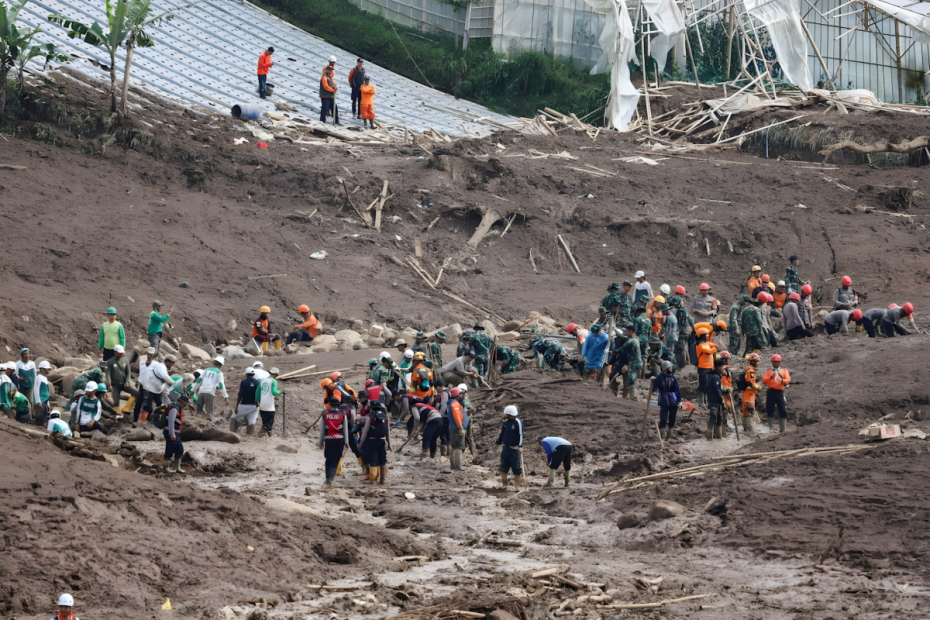
A routine military training exercise turned into a major recovery mission this week after a catastrophic mudslide swept through a hillside in West Java, Indonesia.
Officials say the incident claimed the lives of nearly two dozen elite service members and devastating a local community.
The tragedy, which occurred in the Bandung Barat region, has highlighted the increasing ferocity of Indonesia’s wet season, striking a specialised unit preparing for border security operations.
As excavation teams battle against unstable terrain and persistent rainfall, questions are being raised regarding the safety of operations in disaster-prone zones during peak monsoon months.
The landlslide was recorded in Pasir Langu, a village situated in the undulating, hilly terrain roughly 100 kilometres (62 miles) southeast of the capital, Jakarta on Saturday.
According to the Indonesian Navy, the victims comprised 23 Marines who were participating in rigorous training exercises designed to prepare them for patrols along the Indonesia-Papua New Guinea border.
This region is known for its dense jungle and difficult topography, making the West Java hills a standard proxy for such preparatory drills.
First Admiral Tunggul, a spokesperson for the Navy, confirmed the fatalities on Tuesday, marking one of the deadliest single incidents for the Indonesian military in a non-combat setting in recent years.
"The incident occurred due to extreme weather conditions with heavy rainfall, which caused a landslide at the training site," stated Tunggul. The sheer speed of the deluge left the soldiers with little time to react. The platoon was reportedly caught in the open when the hillside gave way, burying them under tonnes of mud and uprooted vegetation.
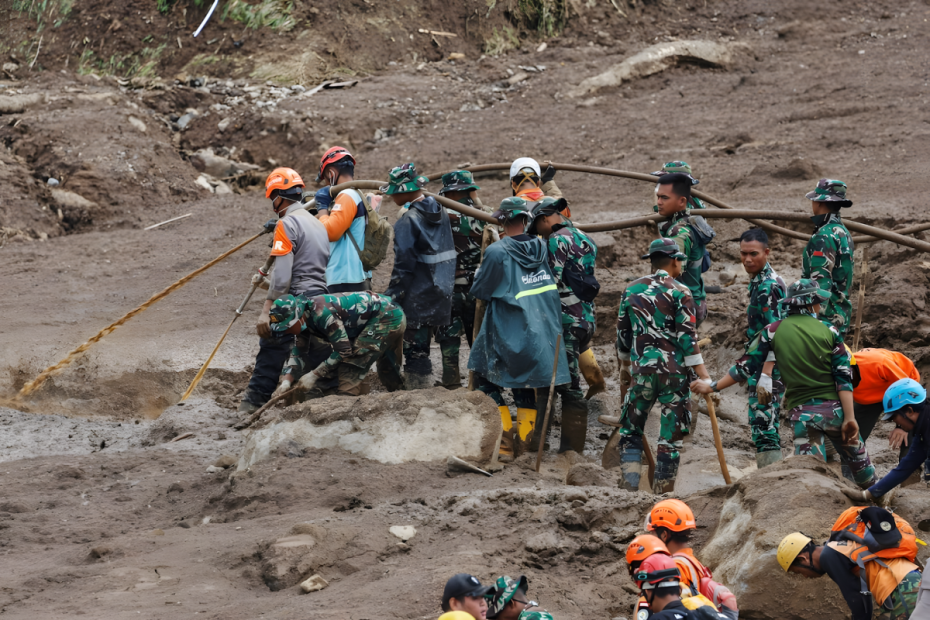
The recovery of the soldiers' bodies has been a sombre and arduous process. Military personnel, usually deployed to aid civilians in such disasters, found themselves excavating their own comrades.
The tragedy has cast a pall over the armed forces, particularly the Marine Corps, as they mourn the loss of a significant number of personnel destined for crucial border security roles. The military has not yet released the names of the deceased, pending full notification of next of kin, but flags across military installations in Java are expected to be flown at half-mast.
Desperate search amid rising civilian tolls
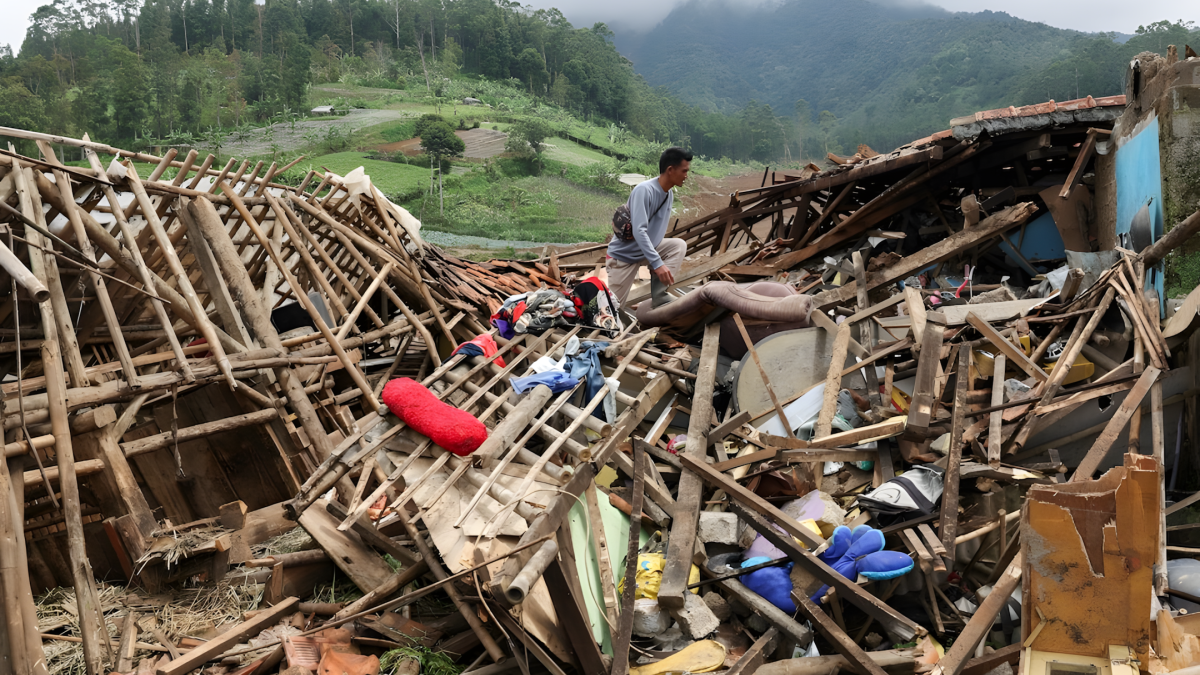
While the military reels from its losses, a parallel humanitarian crisis is unfolding for the residents of Pasir Langu. The same geological instability that claimed the Marines has devastated the local village, destroying homes and displacing hundreds.
As of Tuesday afternoon, the urgency of the search and rescue operation had intensified significantly. Abdul Muhari, a spokesperson for Indonesia’s disaster mitigation agency (BNPB), reported that the confirmed death toll had risen to 20 civilians, up from an earlier count of 17, with at least 42 individuals still listed as missing.
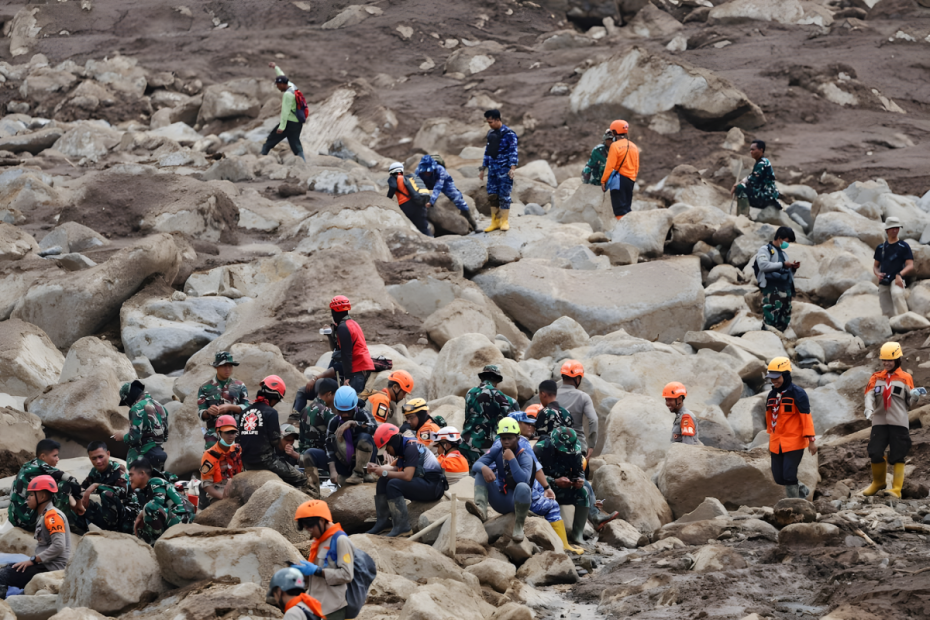
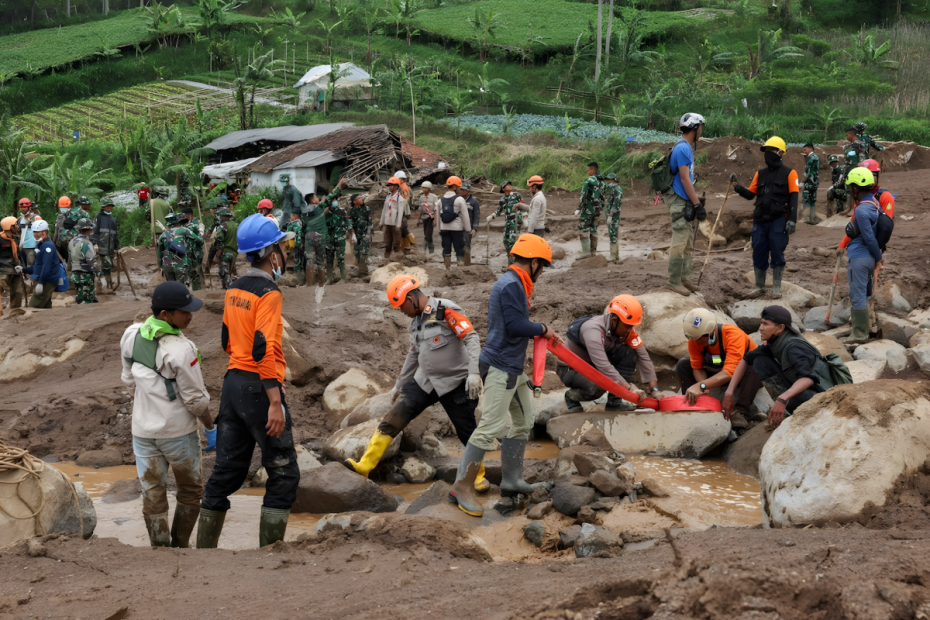
Approximately 800 personnel, comprising rescuers, police officers, and military units, have been deployed to the site. They are supported by nine heavy excavators attempting to shift the dense, waterlogged earth.
However, the operation is hampered by the risk of secondary landslides. Muhari noted that 685 residents have been evacuated to temporary shelters in local government buildings, where they are receiving food, water, and trauma counselling.
The displacement of nearly 700 people in a tight-knit rural community suggests that the recovery, both physical and psychological, will take months, if not years.
A Nation battling nature and climate crisis
This disaster is the latest in a string of calamities to strike the archipelago nation, drawing fresh attention to the compound risks of geography and climate change.
The landslide occurred during the absolute peak of the wet season on Java, Indonesia's most populous island. In the weeks leading up to the tragedy, the meteorological agency had issued warnings about extreme rainfall, and floods had already inundated parts of Jakarta and Central Java.
Indonesia’s topography, characterised by volcanic mountains and steep slopes, makes it naturally susceptible to landslides.















What is your opinion on this topic?
Leave the first comment