The White House has instructed U.S. military forces to concentrate largely on enforcing a “quarantine” on Venezuelan oil exports for at least the next two months, a U.S. official told Reuters, signalling that Washington is prioritising economic pressure over direct military action against Caracas.
Speaking anonymously on Wednesday, the official said military options remain on the table, but the immediate focus is on tightening sanctions to achieve the White House’s objectives.
Although President Donald Trump has been deliberately vague in public about his goals for Venezuela, Reuters has reported that he has privately urged President Nicolás Maduro to leave the country. Trump said on Monday that it would be wise for Maduro to step down.
According to the official, the measures already in place have placed significant strain on Maduro’s government, with the expectation that Venezuela could face a severe economic crisis by late January unless it agrees to major concessions to the United States.
Trump has accused Venezuela of fuelling drug trafficking into the U.S., and his administration has for months been targeting vessels originating from South America that it claims were carrying narcotics. These actions have been widely criticised by several countries as extrajudicial.
The president has also repeatedly threatened to strike drug infrastructure on land and has authorised covert CIA operations aimed at Caracas.
So far this month, the U.S. Coast Guard has seized two oil tankers in the Caribbean, both carrying Venezuelan crude. The remarks from the White House official followed a Reuters report that the Coast Guard was awaiting reinforcements to attempt a third seizure of an empty sanctioned vessel, the Bella-1, after an initial effort on Sunday failed.
Venezuela’s ambassador to the United Nations, Samuel Moncada, responded on Tuesday by saying: “The threat is not Venezuela. The threat is the U.S. government.”
The official did not clarify what it meant in practice for the military to focus “almost exclusively” on interdicting Venezuelan oil, noting that most U.S. military operations worldwide are unrelated to maritime enforcement.
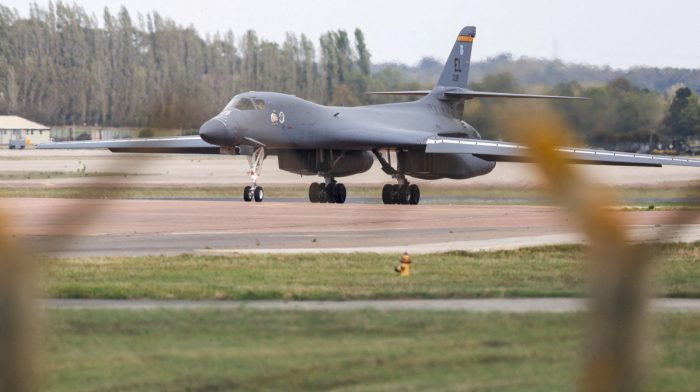
Nonetheless, the Pentagon has built up a substantial military presence in the Caribbean, deploying more than 15,000 troops, including an aircraft carrier, 11 additional warships and over a dozen F-35 fighter jets. While some of these assets can support sanctions enforcement, others are not well suited to such missions.
On Tuesday, the United States told the United Nations it would impose and enforce sanctions “to the maximum extent” to deny Maduro access to resources.
Earlier this month, Trump ordered a “blockade” of sanctioned oil tankers entering and leaving Venezuela. However, the White House official’s use of the term “quarantine” appears to echo language from the 1962 Cuban missile crisis, when President John F. Kennedy’s administration avoided the word “blockade” to prevent escalation. As former defence secretary Robert McNamara later explained: “We called it a quarantine because blockade is a word of war.”











What is your opinion on this topic?
Leave the first comment