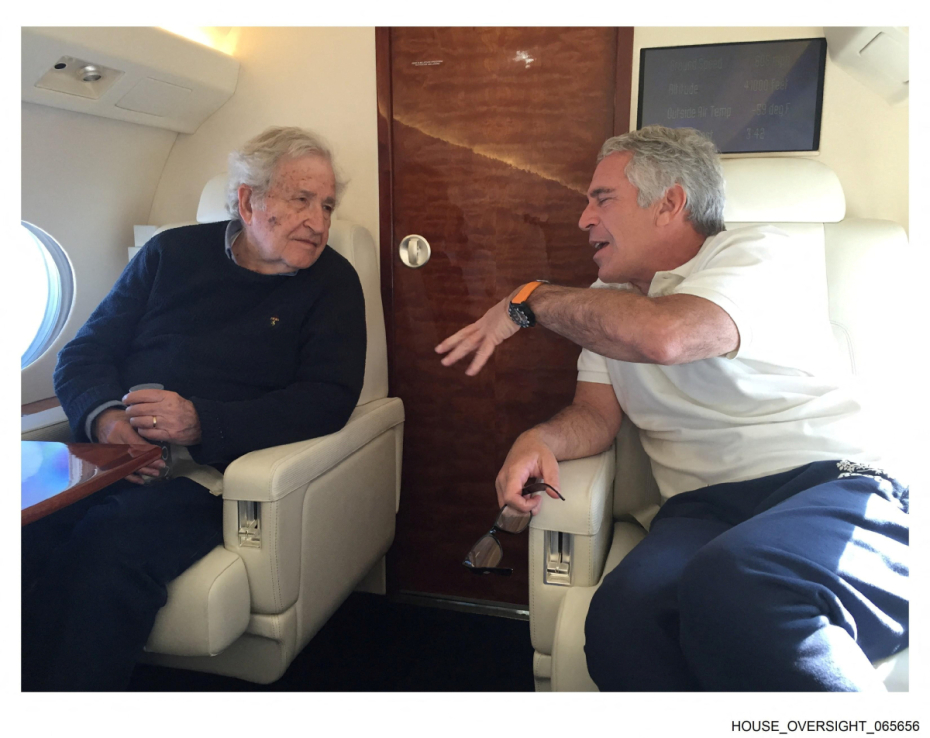
The United States Department of Justice has released more than 300,000 pages of records linked to investigations into the late financier and convicted sex offender Jeffrey Epstein, prompting renewed political controversy over the handling of the disclosures.
The documents were made public on Friday under a law passed by Congress requiring the release of unclassified Epstein-related material. Justice Department officials said the disclosure was partial and that further documents would follow in the coming weeks.
The release has been closely watched for its political implications, particularly for President Donald Trump, whose supporters and some Republican lawmakers have long demanded the files be made public.
What the documents show
The material includes records from FBI investigations conducted in 2006 and 2018, as well as documents linked to Epstein’s death in custody in 2019. The Justice Department said it is reviewing hundreds of thousands of additional pages before determining what else can be released.
Many of the files are heavily redacted. Several documents running to more than 100 pages were entirely blacked out, while others contain extensive censoring to protect victims and sensitive information.
Deputy Attorney General Todd Blanche told Congress that the review had identified more than 1,200 victims of Epstein and their relatives whose identities must remain protected.
Limited references to Trump
The documents contain few references to Trump, who had a social relationship with Epstein during the 1990s and early 2000s. Trump has said the two fell out in the mid-2000s, before Epstein’s first conviction in 2008.
An initial review by Reuters found a small number of references, including a photograph appearing to show Epstein holding a cheque bearing Trump’s name and another image taken inside Epstein’s Manhattan townhouse showing a copy of Trump’s 1997 book The Art of the Comeback on a bookshelf.
Trump’s name had previously appeared in flight logs and a contact book linked to Epstein that were made public during the 2021 trial of Ghislaine Maxwell, Epstein’s former associate who was convicted of child sex trafficking and related offences. Trump has repeatedly denied any wrongdoing or knowledge of Epstein’s crimes.
More material involving Bill Clinton
By contrast, the documents include several photographs of former Democratic president Bill Clinton. Images show Clinton in social settings with Epstein and Maxwell, including near a swimming pool and a hot tub. Another photograph depicts a painting of Clinton hanging in Epstein’s New York residence.
Clinton has denied any knowledge of Epstein’s criminal activities and has said he regrets having associated with him. His deputy chief of staff, Angel Urena, described the images as “grainy, 20-plus-year-old photos” and said Clinton was unaware of Epstein’s crimes at the time.
President Trump has ordered the Justice Department to investigate Clinton’s ties to Epstein, a move critics say risks politicising the disclosures.
Legal experts urge caution
Criminal defence lawyers have warned against drawing conclusions from photographs or associations contained in the files.
Randy Zelin, a criminal defence attorney, said the presence of public figures in images with Epstein did not itself imply criminal conduct.
“What have we learned so far?” he said. “There were famous people who thought it was cool to hang out with Jeffrey Epstein. That’s not a crime. It may be embarrassing, but it is not a crime to be photographed with Jeffrey Epstein or to be in a room with him.”
Legal experts note that individuals involved in criminal wrongdoing connected to Epstein have already faced prosecution.
Political backlash and next steps
Lawmakers from both parties have criticised the scale of the redactions and questioned whether the Justice Department has complied fully with the law.
Senate Democratic leader Chuck Schumer the release represented only “a fraction of the whole body of evidence”. Republican Congressman Thomas Massie, a sponsor of the disclosure law, said it failed to meet both the “spirit and the letter” of the legislation.
The Justice Department says further documents will be released within the 30-day deadline set by the law, with limited exceptions to protect victims and ongoing investigations.
With additional disclosures expected, scrutiny of the handling of the Epstein files and their political impact is likely to continue.





















What is your opinion on this topic?
Leave the first comment