Regional politics at the forefront of voters’ minds
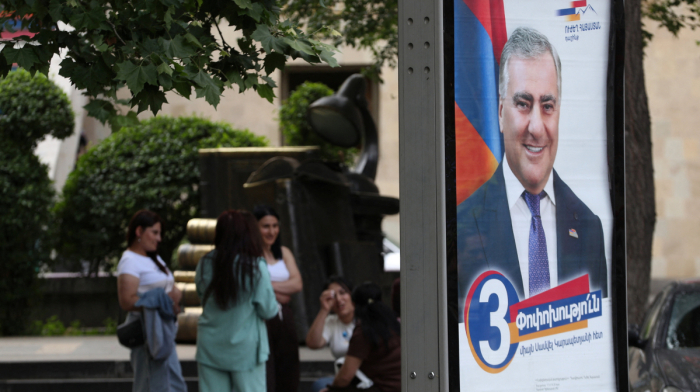
As Armenia heads toward parliamentary elections on 7 June, the country's relationship with Azerbaijan is emerging as one of the defining issues of the...
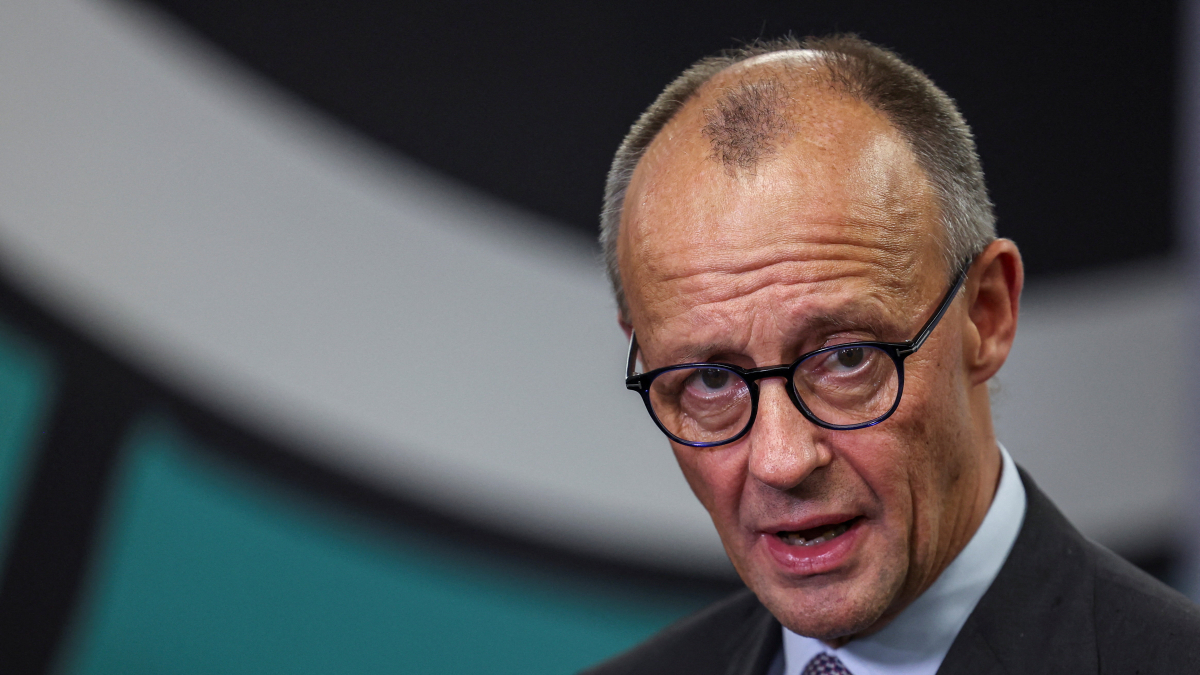
German Chancellor Friedrich Merz said on Monday that despite recent progress in discussions over a revised U.S. peace plan for Ukraine, a major diplomatic breakthrough is unlikely this week.
Speaking at an EU-Africa summit in Angola, Merz welcomed adjustments made to President Donald Trump’s proposal and noted that talks in Geneva between U.S., European, and Ukrainian officials had produced a first draft outlining shared positions. He stressed, however, that the path to a settlement remains long.
Merz underlined that Europe’s support for Kyiv will continue, insisting that Ukraine must not be pressured into unilateral territorial concessions and must retain the ability to defend itself. He said strong armed forces and credible security guarantees from partners are essential to any durable agreement.
He also emphasised that European consensus is required on all matters touching EU interests and sovereignty.
Responding to reports that Washington wants Kyiv to approve the plan by Thursday, Merz said negotiations will now move to the level of heads of state and government, adding that he remains doubtful Russia is ready to engage seriously.
Merz reiterated that increased Western pressure on Moscow is necessary to bring it to the table. Without such pressure, he warned, “there will be no process, and if there is no process, there will be no peace.”

Severe Tropical Storm Jangmi brought heavy rain, power cuts and transport disruption across Japan on Wednesday (3 June) as it tracked towards the greater Tokyo region.
Police officers were pelted with missiles during violent clashes at a protest near the Southampton, UK, home of convicted murderer Vickrum Digwa, as anger continued to grow over the handling of the fatal stabbing of 18-year-old Henry Nowak.
Thousands of people have taken to the streets in Albania in recent days to protest against a luxury tourism project linked to Jared Kushner, the son-in-law of U.S. President Donald Trump, and his wife Ivanka Trump.
An Iranian drone and missile attack struck Kuwait International Airport early Wednesday, injuring several people, damaging Terminal 1 and forcing flight diversions, Kuwaiti authorities said.
Armenia’s parliamentary election comes at a defining moment for the South Caucasus, a region reshaped by the Garabagh conflict and broader shifts in Russia-West relations. The outcome is increasingly seen as a signal of Armenia’s future foreign policy direction and the regional balance of power.
China has criticised planned maritime boundary discussions between Japan and the Philippines, arguing that the waters involved fall within an area where Beijing claims maritime rights and jurisdiction.
U.S. President Donald Trump will attend next month's NATO leaders' summit in Türkiye, ending weeks of uncertainty over whether he would take part in a gathering expected to focus on the future of the alliance.
All 27 European Union (EU) member countries have agreed to begin the first set of talks with Ukraine and Moldova about joining the political and economic bloc.
Germany's foreign minister Johann Wadephul has suggested that Berlin's strong backing of Ukraine and its close ties with Israel may have contributed to its failure to secure a seat on the United Nations Security Council.
Start your day informed with the AnewZ Morning Brief. Here are the top stories for the 4 June, covering the latest developments you need to know.
You can download the AnewZ application from Play Store and the App Store.
What is your opinion on this topic?
Leave the first comment