live Ceasefire strains as Israel intensifies attacks on Hezbollah in Lebanon killing hundreds - Thursday 9 April
Iran suggested it would be "unreasonable" to proceed with talks to forge a permanent peace d...
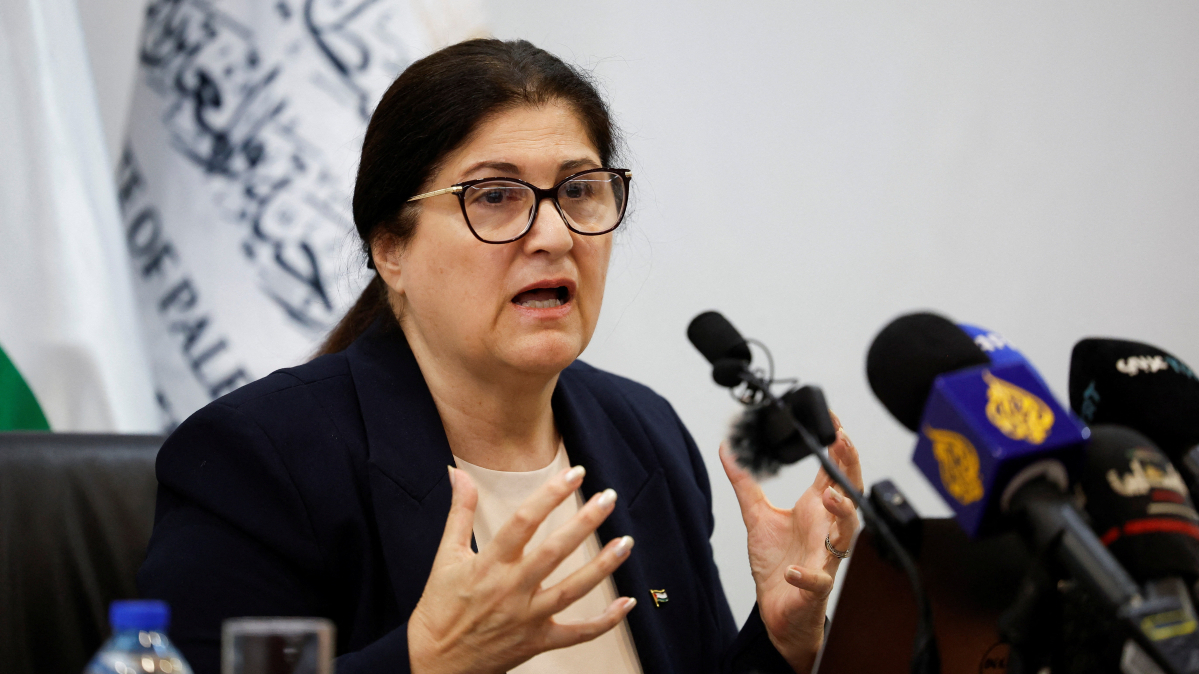
Palestinian Foreign Minister Varsen Aghabekian Shahin said on Tuesday the UN Security Council's adoption of a resolution endorsing U.S. President Donald Trump's plan to end the war in Gaza was a necessary first step on a long road towards peace.
The Security Council on Monday adopted the U.S.-drafted resolution, which also authorises a multinational security force to be deployed to Gaza. The text of the resolution also says member states can join a Board of Peace that would oversee the reconstruction and economic recovery of the shattered territory.
"The UN resolution is the first step in a long road towards peace. That step was needed because we could not embark on anything else before we had a ceasefire," Shahin told reporters in Manila during a visit to the Philippines.
Shahin said there were still other issues that needed to be addressed, including Palestinian self-determination and eventual Palestinian independence, and that the process for implementing Trump's plan must be governed by international law.
She said that although Trump's plan alludes to possible Palestinian statehood only after the PA carries out reforms, that issue could be taken up later.
"As long as these elements are in there, we're happy with this first step," Shahin said.
The Palestinian Authority, based in Ramallah in the occupied West Bank, earlier welcomed the vote and has said it is ready to take part in Trump's plan, which doesn't outline a clear role for the PA.
European and Arab states have said that Gaza must be governed by the Palestinian Authority and that there must be a clear pathway to Palestinian independence. The Israeli government, which opposes the idea of an independent Palestinian state, rejects any involvement by the Palestinian Authority.
Under the initial stage of Trump's plan, a ceasefire between Israel and Hamas came into effect on October 10. Both sides have accused each other of violating the truce, but it continues to hold. Hamas has since released most of the hostages from Gaza. The remains of three deceased hostages are still held.

China and Russia vetoed a United Nations Security Council resolution on Tuesday aimed at coordinating defensive efforts to protect commercial shipping in the Strait of Hormuz, leaving no agreed international framework for securing the vital route.
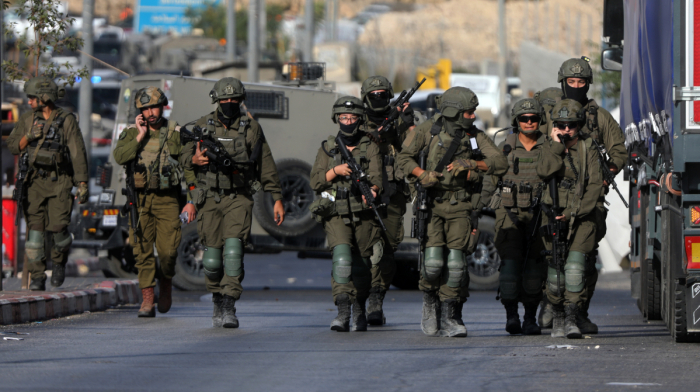
Lebanon’s Hezbollah said it had stopped firing on northern Israel and Israeli forces on Wednesday as part of a two-week ceasefire in the Middle East brokered between the United States and Iran. However, a Hezbollah lawmaker warned that the pause could collapse if Tel Aviv does not adhere to it.
Pakistan’s Prime Minister Shehbaz Sharif said Iran and the United States, along with their allies, have agreed to an immediate two-week ceasefire covering all areas, but Israel says the deal excludes Lebanon. Tel Aviv says the U.S. is committed to achieving shared goals in upcoming negotiations.
Recent U.S. complaints about NATO allies and threats to quit the alliance are pushing European countries to seek alternative security arrangements, Spanish Foreign Minister Jose Manuel Albares said on Tuesday.
Construction has begun on a major new solar power project in Xizang, as China continues to expand its renewable energy capacity and push towards a greener future.
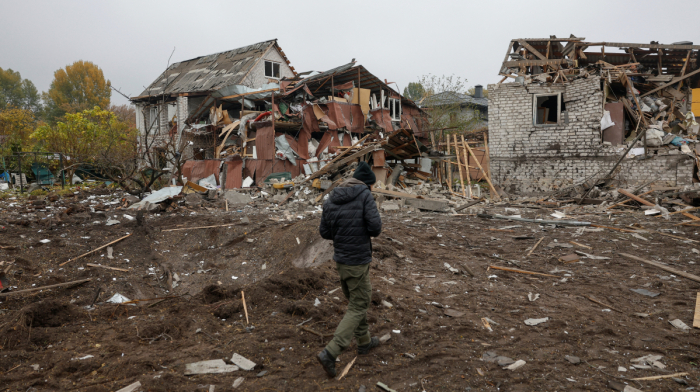
A barrage of Russian drones targeted and damaged a critical power substation in Ukraine's southern Odesa region on Wednesday, Ukrainian officials confirmed.
Start your day informed with the AnewZ Morning Brief. Here are the top stories for 9 April, covering the latest developments you need to know.
Greece will ban access to social media for children under 15 from 1 January 2027, Prime Minister Kyriakos Mitsotakis said on Wednesday, citing rising anxiety, sleep problems and the addictive design of online platforms.
Trade discussions between China and the U.S. are expected to remain virtual for now, with no major investment initiatives planned before a potential meeting between Xi Jinping and Donald Trump, according to U.S. Trade Representative Jamieson Greer.
The Russian T-90M tank is worth an estimated $4.5 million and was designed to dominate the battlefield. Yet this steel giant has repeatedly been destroyed by something far smaller, faster and thousands of times cheaper: the drone.
You can download the AnewZ application from Play Store and the App Store.
What is your opinion on this topic?
Leave the first comment