Ukraine's anti-corruption bureau is investigating an alleged massive $100 million kickback scheme linked to the state nuclear power company Energoatom. The scandal comes amid ongoing Russian bombardment of Ukraine's power infrastructure and rising political tensions at home.
The investigation, announced on Monday, has sent shockwaves through the country, as authorities claim a "high-level criminal organisation" orchestrated the illegal activity, which included several key figures from Energoatom, including the head of security and a former adviser to the energy minister.
Energoatom operates Ukraine's three nuclear plants, which supply more than half of the country's electricity. The alleged kickback scheme reportedly forced Energoatom's contractors to pay 10-15% bribes to secure contracts or ensure timely payments, an arrangement that lasted for over a year.
Allegations of Corruption
According to the National Anti-Corruption Bureau of Ukraine (NABU), the scheme involved senior officials at Energoatom who took control of the company’s procurement process, forcing contractors to pay illegal benefits. The payments were allegedly made in the form of bribes to secure contracts or ensure payments were processed without issue.
A significant portion of the evidence gathered includes 1,000 hours of audio recordings and physical evidence, including photographs showing bundles of cash in hryvnia, dollars, and euros.
NABU's chief detective, Oleksandr Abakumov, said that this corruption ring managed a strategic state-owned enterprise with more than $4.7 billion in annual income, bypassing official channels and operating outside the proper authority. He added that conversations had taken place in October regarding the possibility of increasing the kickback rate to 15% for work at the Khmelnytskyi nuclear power plant.
Political and Public Reaction
The revelation has sparked political unrest in Ukraine. The opposition European Solidarity Party, led by former President Petro Poroshenko, has called for the dismissal of the entire cabinet, including the energy and justice ministers. Although these motions are unlikely to succeed in the current parliament, the growing opposition to President Zelenskyy's administration signals increasing political challenges.
Zelenskyy, who has positioned anti-corruption efforts as central to Ukraine's integration with the European Union, expressed concern over the issue. In a statement, he reaffirmed that anyone involved in corruption would face legal consequences. He urged for transparency in the investigation, which he hopes will "reassure our international partners."
The Role of International Support
Eradicating corruption and strengthening the rule of law are key prerequisites for Ukraine's EU accession, which is seen as vital for the country's long-term future, especially amid the ongoing conflict with Russia. International partners, particularly the EU, have been critical of Ukraine's internal corruption, and this investigation could serve as an important step in fulfilling the EU's requirements.
A Growing Crisis in Ukraine's Energy Sector
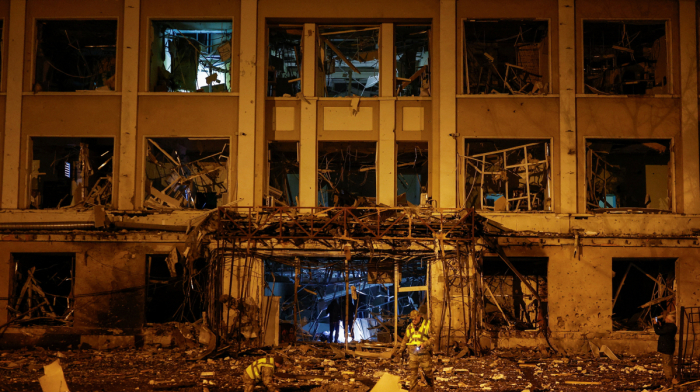
Meanwhile, Ukraine’s energy sector continues to suffer the effects of Russian aggression. The Kremlin's bombardment has heavily damaged power infrastructure, leading to frequent outages and disruptions in energy supply. While nuclear plants have not been directly targeted, Russia’s attacks on substations connected to them have created significant challenges for the Ukrainian government.
The country's energy minister, Svitlana Hrynchuk, voiced her commitment to transparency during a press briefing, emphasising that the investigation would be conducted in a fair and impartial manner.
"I hope the transparency of this investigation will reassure our international partners," Hrynchuk stated.
Conclusion
As the investigation unfolds, Ukraine faces the dual challenge of managing internal corruption while securing vital foreign support. The outcome of this case will be closely watched by the international community, with many hoping it serves as a turning point in Ukraine's fight against graft, particularly within its critical energy sector. The investigation could not only reshape Ukraine's political landscape but also affect its aspirations to join the European Union, a goal that remains critical for the country’s post-war future.













What is your opinion on this topic?
Leave the first comment