Elon Musk faces backlash in Germany for endorsing the far-right AfD ahead of February elections, sparking accusations of interference and criticism from top politicians.
The German government accused U.S. billionaire Elon Musk on Monday of trying to influence its election due in February with articles supporting the far-right Alternative for Germany (AfD) party, even though it suggested they amounted to "nonsense".
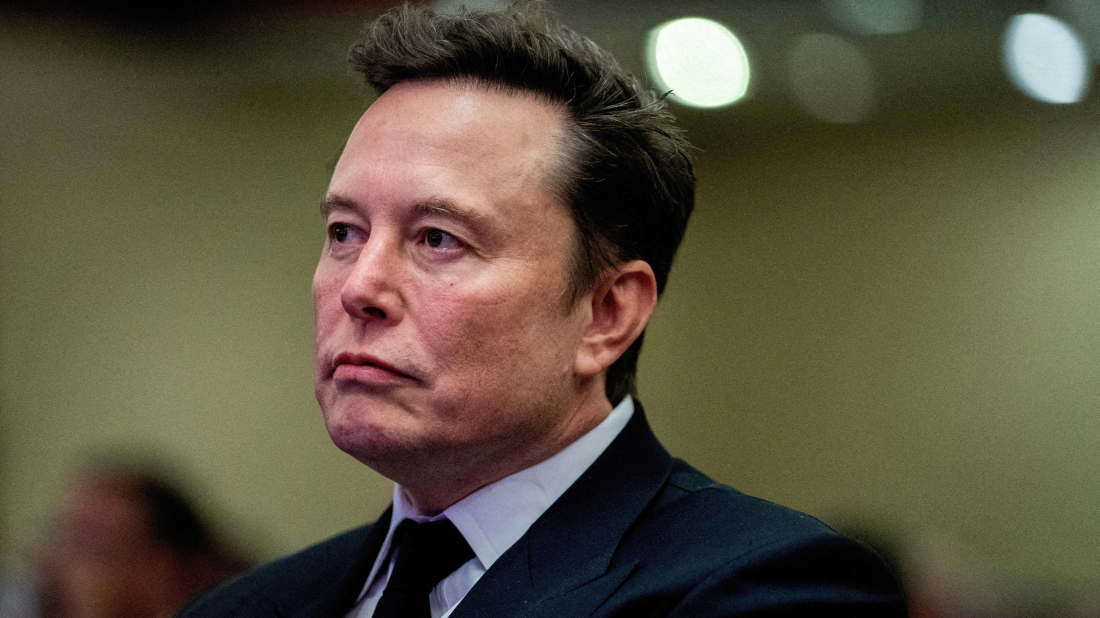
Musk, who is set to serve Donald Trump's new administration as an outside adviser, endorsed the AfD as Germany's last hope in a guest opinion piece for the Welt am Sonntag newspaper that prompted the commentary editor to resign in protest.
"It is indeed the case that Elon Musk is trying to influence the federal election" with X posts and the opinion piece, a German government spokesperson said.
Musk is free to express his opinion, the spokesperson said, adding: "After all, freedom of opinion also covers the greatest nonsense."
Musk, the world's richest person, has defended his right to weigh in on German politics because of his "significant investments", and has praised the AfD's approach to regulation, taxes and market deregulation.
His intervention has come as Germans prepare to vote in a parliamentary election on Feb. 23 after the collapse of the coalition government led by Chancellor Olaf Scholz. Musk also called for Scholz's resignation after a car rammed into a crowd at a Christmas market on Dec. 20, killing five people.
The AfD is currently in second place in opinion polls behind the main opposition conservatives, and might be able to thwart a centre-right or centre-left majority in the election. Germany's mainstream parties have pledged not to work with the AfD at the national level.
The government spokesperson said Musk's endorsement of the AfD was "a recommendation to vote for a party that is being monitored (by domestic intelligence) on suspicion of being right-wing extremist and which has already been recognised as partly right-wing extremist".
German politicians have excoriated Musk for his endorsement of the AfD, with the co-leader of Scholz's Social Democrats (SPD) comparing him to Russian President Vladimir Putin.
"Both want to influence our elections and specifically support the AfD's enemies of democracy. They want Germany to be weakened and plunged into chaos," Lars Klingbeil told the Funke news group on Monday.
Friedrich Merz, leader of the opposition Christian Democrats and current favourite to succeed Scholz as chancellor, told Funke that Musk's comments were "intrusive and pretentious".

















What is your opinion on this topic?
Leave the first comment