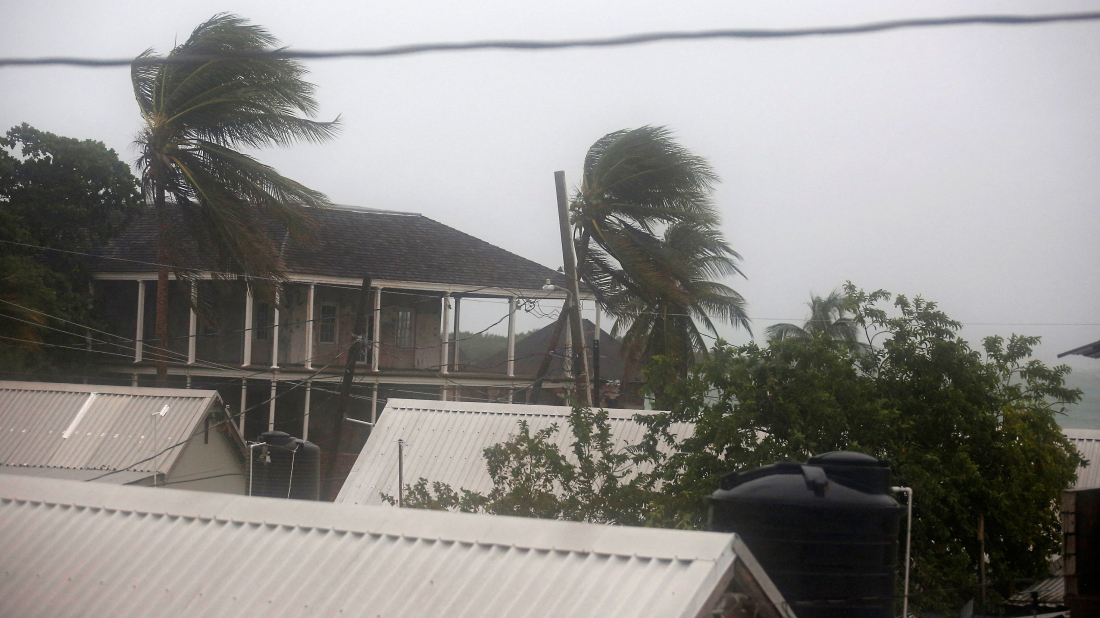
The outer bands of Hurricane Melissa began lashing Jamaica with violent gusts on Monday as the U.S. National Hurricane Center upgraded it to a Category 5 storm.
Melissa packing sustained winds of 165 mph, the largest on record to slam into the Caribbean island is now known as the strongest storm on the planet this year.
Cuba, the eastern Bahamas and Turks and Caicos also lie in the expected path of the storm, which will make its way north and east towards Bermuda later this week.
The hurricane is expected to stay well offshore of the United States, bringing only rough surf and minor coastal flooding to the U.S. East Coast.
On Monday at midday (1600 GMT), Melissa was still 145 miles (230 km) southwest of Kingston, Jamaica, and about 330 miles (530 km) southwest of Guantánamo, Cuba, according to the NHC in Miami.
The hurricane was creeping west at just 3 mph (5 kph), the center said, but would likely make a north-northeastward turn through Jamaica late on Monday and into Tuesday.
The storm's slow movement over unusually tepid Caribbean water had contributed to its ballooning size and strength, the center's forecasters said, threatening Jamaica with days of never-before-seen catastrophic winds and as much as 3 feet of rain.
"This will result in extensive infrastructural damage, long-lasting power and communication outages, and isolated communities," the NHC said.
Hurricane Melissa had been upgraded to a Category 5 storm and is forecast to be the worst storm in the Island's history.
The storm is expected to make landfall from Monday into Tuesday, with the worst of the destruction coming up between noon on Monday to noon on Tuesday.
It threatens Jamaica and Cuba with catastrophic flooding, landslides and storm surges causing water to reach 13 feet above ground level.
The U.S. National Hurricane Centre (NHC) had said earlier that the slow-moving system could strengthen further before making landfall, a warning which has now materialised.
Melissa currently has maximum sustained winds of around 145 mph (230 kph) as it nears Jamaica on Monday night or early Tuesday.
The storm’s centre is forecast to move directly over Jamaica on Tuesday, across southeast Cuba later that night, and reach the southeastern Bahamas by Wednesday.
According to the NHC, the hurricane is expected to dump 15 to 30 inches (38–76 centimetres) of rain across Jamaica and southern Hispaniola, with isolated areas receiving up to 40 inches (one metre). “Catastrophic flash flooding and numerous landslides are likely,” the agency warned.
Mass evacuations and state of emergency in Jamaica
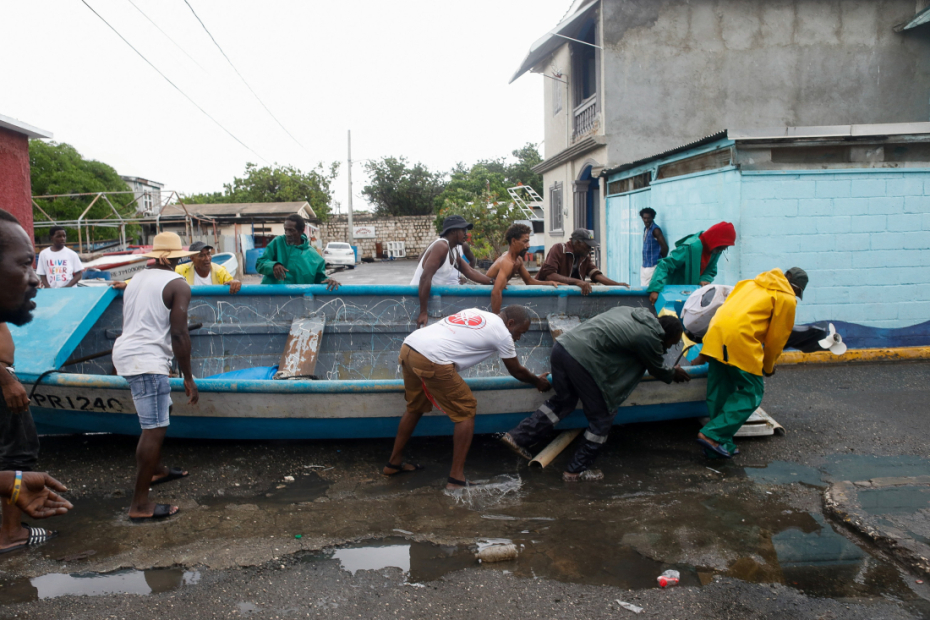
Authorities in Jamaica have urged residents to take the storm seriously and evacuate to the nearly 900 shelters available across the country. Prime Minister Andrew Holness issued mandatory evacuation orders on Sunday night for Port Royal in Kingston and six other vulnerable areas.
“Many of these communities will not survive this flooding,” warned Desmond McKenzie, Minister of Local Government, during a press briefing. “Kingston is low, extremely low ... No community in Kingston is immune from flooding.”
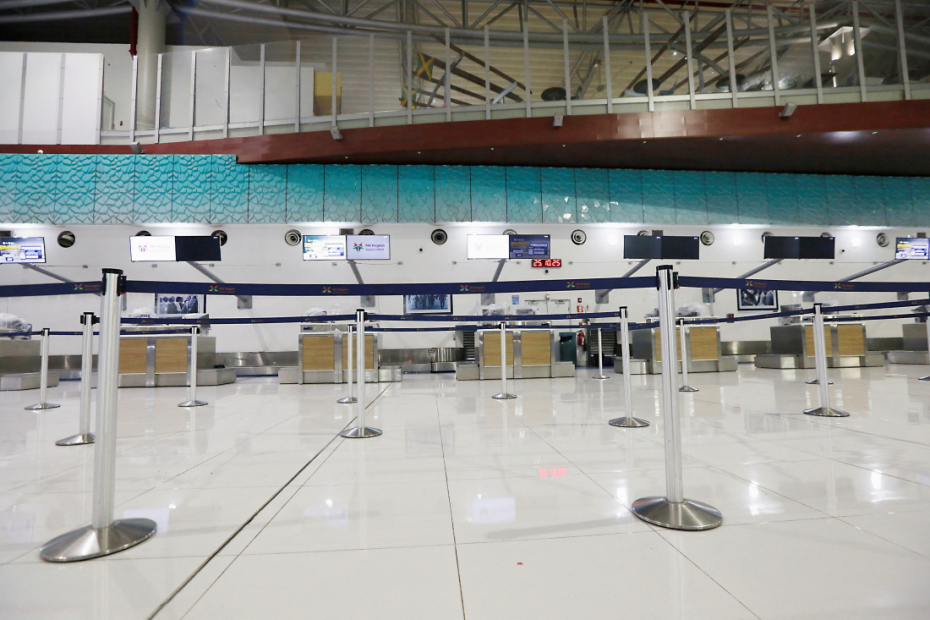
Both of Jamaica’s international airports have been closed, and emergency teams are assisting those reluctant to leave their homes. Despite warnings, some residents have opted to stay put.
“We are riding out the storm, we’re not going to go anywhere. Just sitting down and watch everything, make sure everything’s working good,” said Douglas Butler, a local boat captain in Port Royal.
Dana Morris Dixon, Jamaica’s Information Minister, said the Caribbean Disaster Emergency Management Agency was prepared to provide aid, with several international partners pledging immediate support. “We’ve heard the rainfall numbers — they’re numbers we’ve never heard before,” she said.
Record-breaking storm for the island
Melissa could be the strongest hurricane to make landfall in Jamaica in recent history, said Evan Thompson, Principal Director of Jamaica’s Meteorological Service. He cautioned that cleanup and recovery efforts could be delayed by landslides, flooding, and blocked roads.
If forecasts hold, Melissa would be Jamaica’s first Category 4 landfall, surpassing the devastation wrought by Hurricane Gilbert, which struck as a Category 3 storm in 1988. Two more recent Category 4 hurricanes, Ivan and Beryl, missed the island without direct landfall.
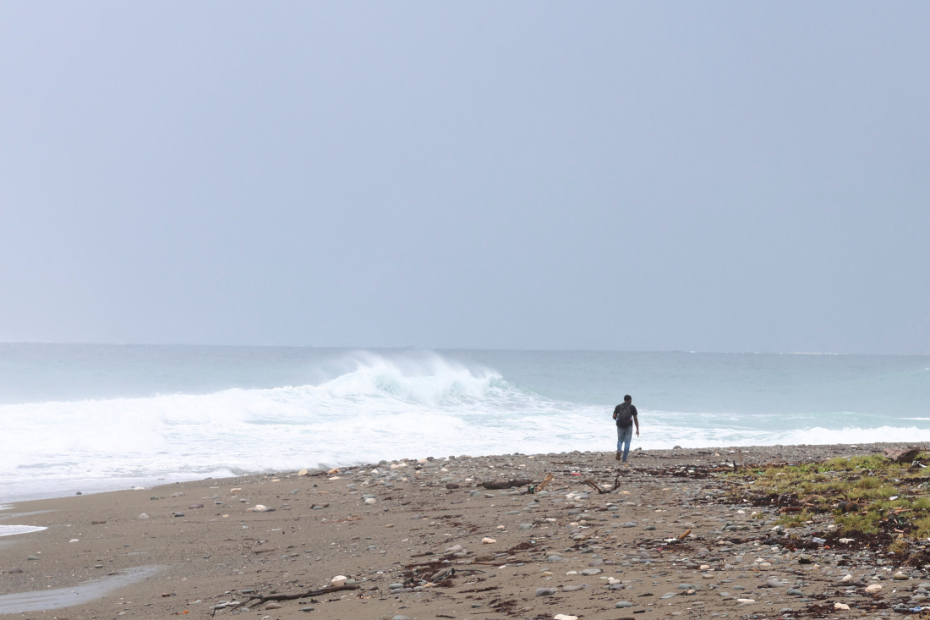
The NHC said a life-threatening storm surge of up to 13 feet (4 metres) is expected along Jamaica’s southern coast, particularly near and east of where Melissa’s eye comes ashore.
“Don’t make foolish decisions,” warned Daryl Vaz, Jamaica’s Transport Minister. “We are in a very, very serious time over the next few days.”
Havoc across Hispaniola and Cuba
The hurricane has already caused widespread destruction in the Dominican Republic and Haiti. At least four people have died, three in Haiti and one in the Dominican Republic while another person remains missing.
In the Dominican Republic, Melissa damaged more than 750 homes and displaced over 3,700 people. Floodwaters have also cut off access to at least 48 communities. Schools and government offices in four provinces remain closed under red alert.
In neighbouring Haiti, the storm destroyed crops in several regions, including 15 hectares (37 acres) of maize, exacerbating an already dire food crisis. The U.N. Food and Agriculture Organization warned that flooding has blocked access to farmland and markets, jeopardising the winter harvest season.
On its current path, Melissa is expected to bring up to 20 inches (51 centimetres) of rain to parts of eastern Cuba, where authorities have issued hurricane warnings for Granma, Santiago de Cuba, Guantánamo and Holguín provinces, and tropical storm warnings for Las Tunas.
Evan Thompson of Jamaica’s meteorological service said the storm’s impact could surpass anything the island has experienced in recent memory: “Melissa is not just a test of our preparedness — it’s a test of our resilience.”














What is your opinion on this topic?
Leave the first comment