live Pakistan is yet to receive Iran’s confirmation for the next round of talks with U.S.- Tuesday, 21 April
Pakistan is confident it can bring Iran to talks with the United States, a senior official said, citing “positive signals” from Tehran,...
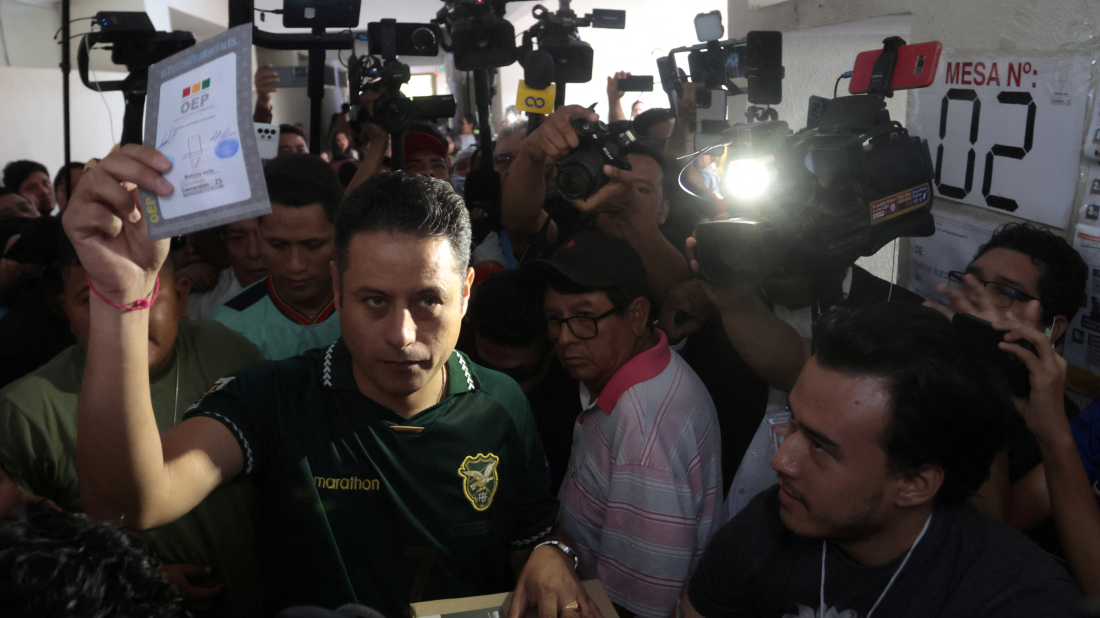
Bolivia's presidential runoff on October 19, marked a historic shift in the country's political landscape, ending nearly two decades of left-wing dominance under the Movement to Socialism (MAS) party.
Bolivia is gearing up to hold a presidential runoff election on Sunday, after no candidate secured an outright victory in the first round of voting on August 17.
The first-round result marked a stunning blow to the incumbent Movement to Socialism party, which has dominated the South American country's politics for almost 20 years.
The contest featured centrist Senator Rodrigo Paz Pereira, 58, and conservative former president Jorge "Tuto" Quiroga, 65, both advocating for pro-market reforms and improved relations with the United States.
Rodrigo Paz, representing the Christian Democratic Party (PDC), positioned himself as a moderate alternative, promising gradual economic reforms while maintaining social protections. He emphasized the need for a "new stage of Bolivian democracy," aiming to address public fatigue with the previous administration's policies.
Jorge Quiroga, leading the Libre alliance, proposed more aggressive economic measures, including austerity policies, privatization of state-owned enterprises, and a reduction in public spending. His platform appealed to business elites and voters seeking rapid economic stabilization.
Both candidates pledged to rebuild relations with the United States and move away from alliances with China, Russia, and Iran. They also aimed to overhaul the state-led economic model blamed for Bolivia's ongoing economic crisis, characterized by double-digit inflation, fuel and dollar shortages, and declining natural gas exports.
The election results are expected to have significant implications for Bolivia's domestic policies and international relations. Voting stations opened at 8 a.m. local time (1200 GMT) and close at 4 p.m., with initial results expected after 9 p.m. The new president is set to be inaugurated on November 8, 2025.

Iran accuses the United States of breaching a ceasefire after a commercial ship was seized in the Gulf of Oman, vowing retaliation, as Israel warns south Lebanon residents to avoid restricted areas.
Progessive Bulgaria, led by pro-Russian Eurosceptic Rumen Radev is on track to form Bulgaria’s next government, after official results showed a runaway victory for the coalition in the Balkan nation's parliamentary elections on Monday (20 April).
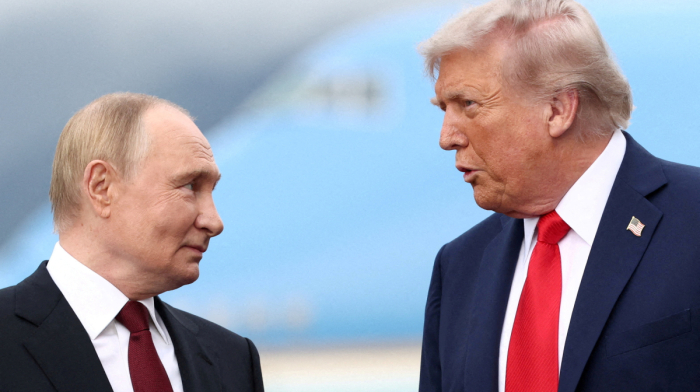
Pakistan is confident it can bring Iran to talks with the United States, a senior official said, citing “positive signals” from Tehran, as JD Vance is reportedly set to visit Islamabad on Tuesday for peace talks, according to Axios.
The architect of the modern K-pop boom, Bang Si-hyuk, is facing arrest by South Korean police over claims he illegally gained millions in an investor fraud scheme.
A powerful 7.5 magnitude earthquake has struck off Japan’s north-eastern coast, triggering urgent tsunami warnings with waves of up to 3 metres expected, prompting residents to seek immediate safety.
A former top foreign ministry official said on Tuesday he faced “constant pressure” from Prime Minister Keir Starmer’s office to accelerate the appointment of Peter Mandelson as its preferred candidate as ambassador to the U.S.
Three young Chinese women mathematicians have drawn global attention after winning major honours at the 2026 Breakthrough Prize, one of the world’s most prestigious science awards.
Nearly 8,000 migrants were reported dead or missing worldwide in 2025, bringing the total since 2014 to more than 82,000, according to new data released on Tuesday by the International Organization for Migration (IOM).
Pope Leo arrived on Tuesday in Equatorial Guinea, led by the world’s longest-serving president, marking the final leg of a four-nation Africa tour during which he has issued sharp denunciations of despotism and inequality.
NATO Secretary‑General Mark Rutte’s two-day visit to Türkiye ahead of the July NATO summit in the capital city underscores Ankara’s growing strategic importance at a time of heightened geopolitical uncertainty.
You can download the AnewZ application from Play Store and the App Store.
What is your opinion on this topic?
Leave the first comment