The International Committee of the Red Cross has said that it may take a considerable amount of time to hand over remains of hostages who died in Hamas detention given the difficulties of finding bodies in Gaza's rubble.
This comes as anger grows in Israeli qaurters over Hamas' handing over of only four coffins of deceased hostages to the IDF with over twenty yet to handed over under the ceasefire deal.
"The search for human remains is obviously an even bigger challenge than having the people alive being released. That's a massive challenge," ICRC spokesperson Christian Cardon said at a Geneva press briefing, adding it could take days or weeks.
"I think there is clearly a risk that that will take much more time. What we are telling the parties is that that should be their top priority," he said on Tuesday.
The IDF also on Tuesday called on Hamas to "fulfill its part of the agreement and make the necessary efforts to return all the hostages to their families and to proper burial."
The BBC reports that unease is growing among residents of the Gaza strip that the delay in returning of deceased hostages by Hamas could cause the ceasefire to crumble.
Many residents told the BBC "they are worried the violence could risk the truce and derail the start of the second phase of negotiations".
The Geneva-based ICRC said it is providing an additional 23 staff, body bags and refrigerated vehicles to ensure the deceased are handled with respect and dignity within Gaza, which was reduced to widespread ruins by the war.
"All parties must ensure that the return of human remains is done under dignified conditions, and uphold dignity and humanity," the ICRC added in a statement.
Deceased hostages identity revealed
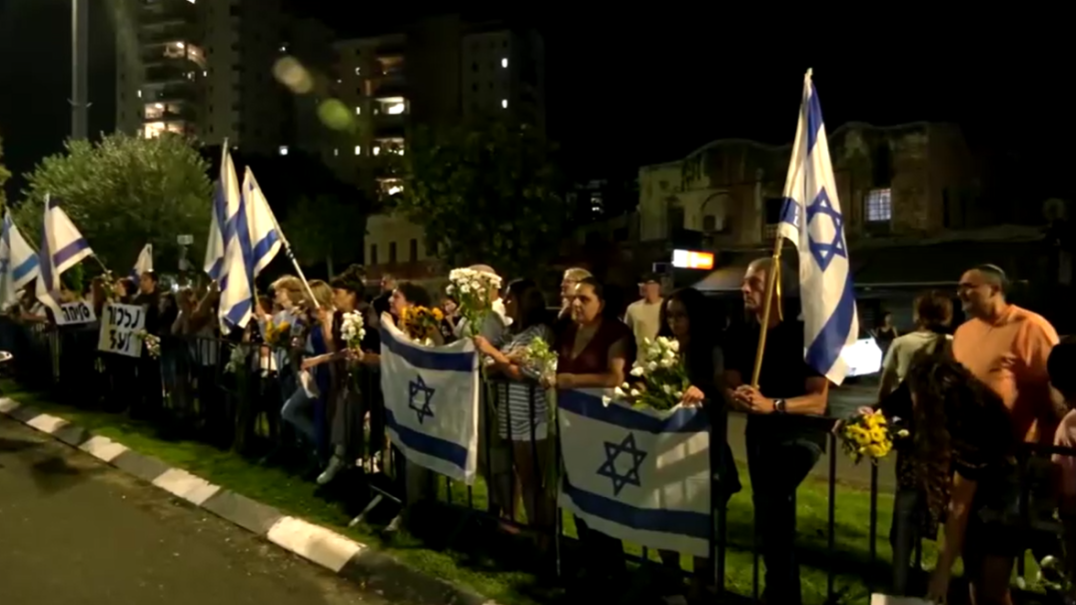
The Israeli military forces have revealed the identities of two deceased hostages whose coffins were part of the four received and brought into Israel on Monday 13th October as part of a ceasefire agreement.
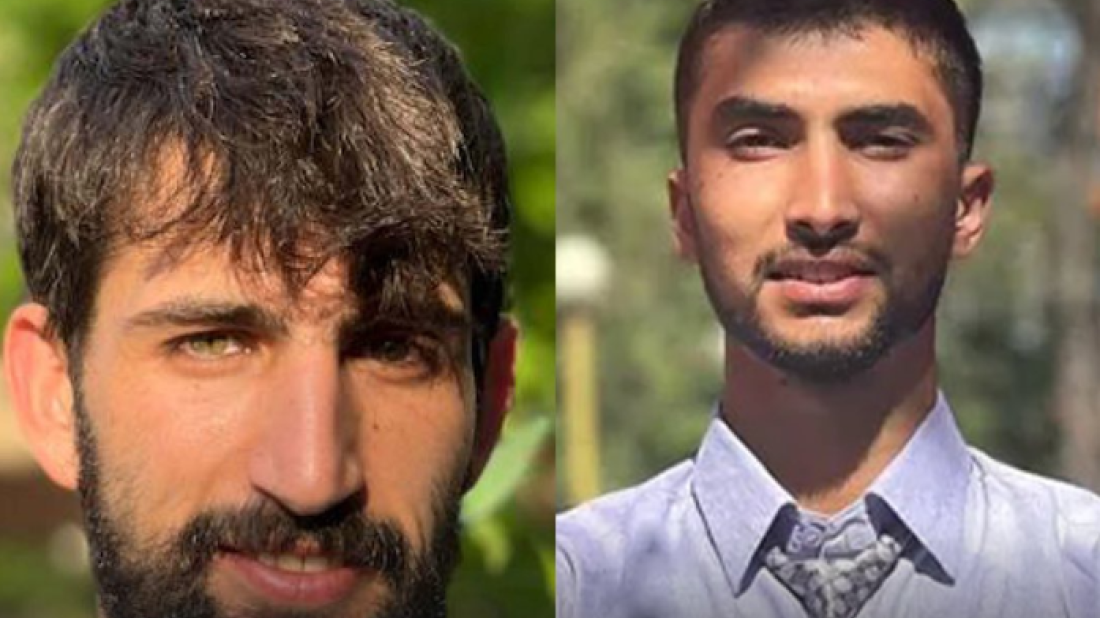
In a statement released on its X account, the IDF said that its representatives have informed the families of Guy Iluz, Bipin Joshi, and two additional deceased hostages, whose names have not yet been cleared for publication by their families, that their loved ones have been brought back for burial.
It said that Guy was abducted alive and injured by Hamas after escaping the Nova music festival. Guy died from his wounds after not receiving proper medical treatment while held captive. He was 26 years old at his death.
"Bipin was abducted at the age of 23 from a shelter in Kibbutz Alumim by Hamas. It is assessed that he was murdered in captivity during the first months of the war" the statement said.
Final conclusions will be determined after the completion of the examination of the circumstances of death by the National Center of Forensic Medicine.
"The IDF expresses deep condolences to the families, and continues to make every effort to return all the hostages, as Hamas is required to fulfill its part of the agreement and make the necessary efforts to return all the hostages to their families and to proper burial."
Hamas released the last 20 surviving Israeli hostages on Monday under a ceasefire deal, a major step towards ending two years of shattering war in Gaza.
The Israeli military said it had received all hostages confirmed to be alive after their transfer from Gaza by the Red Cross, prompting cheering, hugging and weeping among thousands waiting at "Hostage Square" in Tel Aviv.
Buses carrying released Palestinians freed from Israeli prisons as part of the accord also arrived in Gaza, an official involved in the operation told Reuters.

















What is your opinion on this topic?
Leave the first comment