Former Russian president Dmitry Medvedev said on Monday that supplying U.S. Tomahawk missiles to Ukraine could end badly for everyone, especially U.S. President Donald Trump.
Medvedev, an arch-hawk who has repeatedly goaded Trump on social media, said it is impossible to distinguish between Tomahawk missiles carrying nuclear warheads and conventional ones after they are launched - a point that President Vladimir Putin's spokesman has also made.
"How should Russia respond? Exactly!" Medvedev said on Telegram, appearing to hint that Moscow's response would be nuclear.
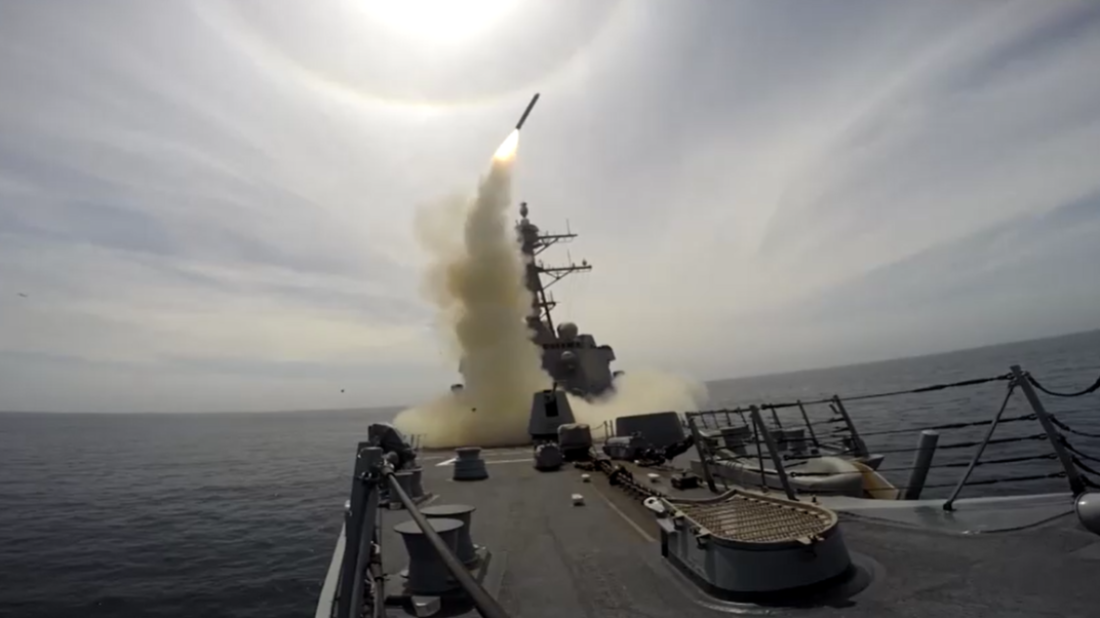
Trump said again on Sunday that he may offer long-range Tomahawk missiles that could be used by Kyiv if Putin does not end the war in Ukraine.
"Yeah, I might tell him (Putin), if the war is not settled, we may very well do it," Trump said. "We may not, but we may do it... Do they want to have Tomahawks going in their direction? I don’t think so."
Medvedev wrote: "One can only hope that this is another empty threat... Like sending nuclear submarines closer to Russia."
He was alluding to Trump's statement in August that he had ordered two nuclear subs to move closer to Russia in response to what he called "highly provocative" comments from Medvedev about the risk of war.
Putin has said supplying Ukraine with Tomahawks - which have a range of 2,500 km (1,550 miles) and could therefore strike anywhere within European Russia, including Moscow - would destroy relations between the United States and Russia.
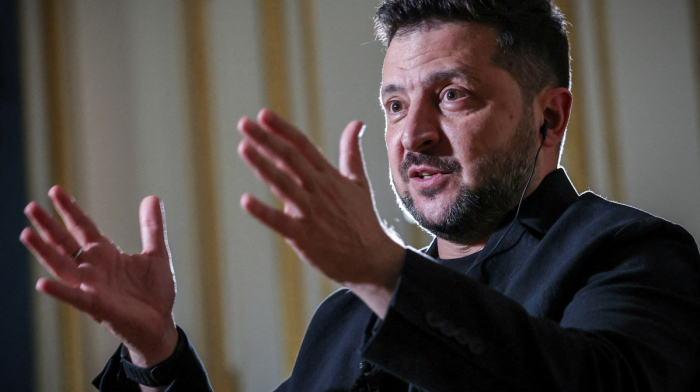
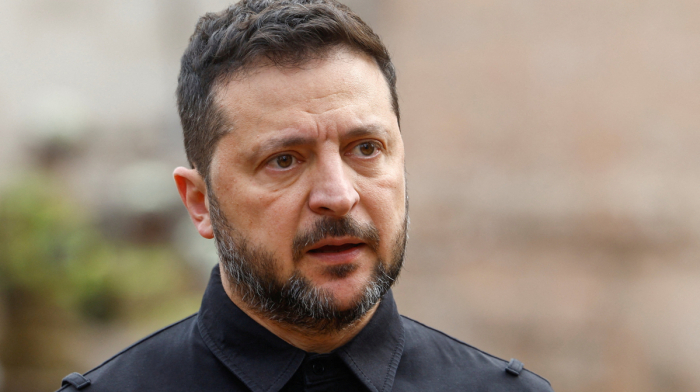
Ukrainian President Volodymyr Zelenskyy said Ukraine would only use Tomahawk missiles for military purposes and not attack civilians in Russia, should the U.S. provide them.
Trump told reporters aboard Air Force One as he flew to Israel that he and Ukrainian President Volodymyr Zelenskyy discussed Zelenskyy's request for weaponry, including Tomahawks. They spoke by phone on Saturday and Sunday.
Putin said earlier this month that it was impossible to use Tomahawks without the direct participation of U.S. military personnel and so any supply of such missiles to Ukraine would trigger a "qualitatively new stage of escalation."
Still, Zelenskyy, in a Sunday evening address in Ukraine, said he saw Russia's concerns as reason to press forward.
"We see and hear that Russia is afraid that the Americans may give us Tomahawks — that this kind of pressure may work for peace," Zelenskyy said.










What is your opinion on this topic?
Leave the first comment