AnewZ Morning Brief - 4 February, 2026
Start your day informed with AnewZ Morning Brief: here are the top news stories for the 4rd of February, covering the latest developments you need to ...
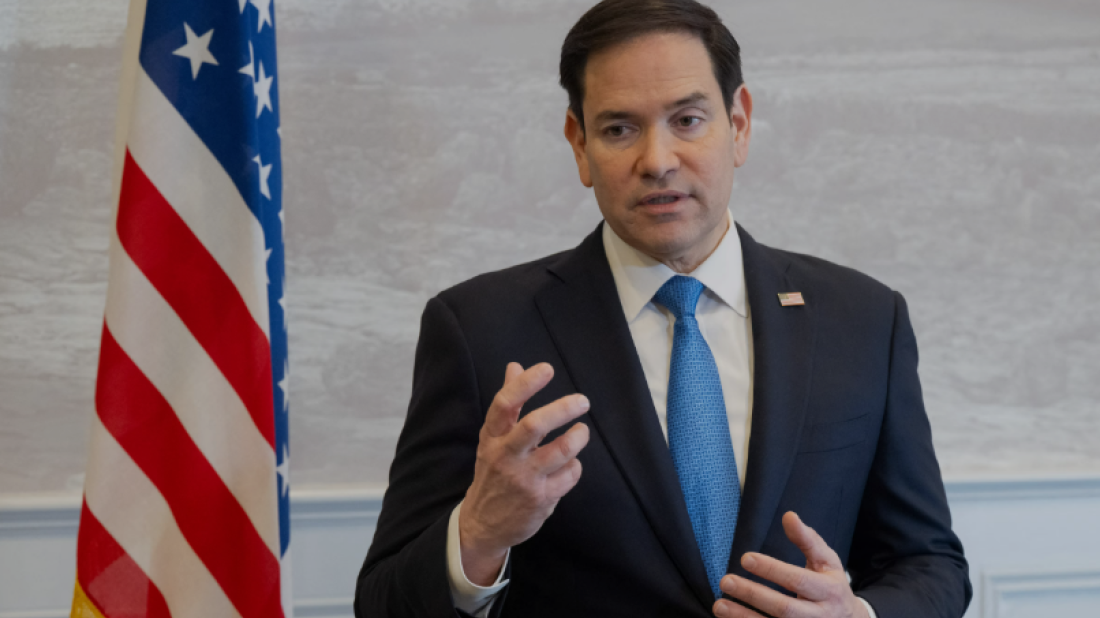
U.S. Secretary of State Marco Rubio said on Sunday that the conflict in Gaza “has not yet” ended, calling the release of hostages held by Hamas only the first phase of President Donald Trump’s proposed peace plan.
He noted that while progress had been made, the next steps remained uncertain and would require detailed negotiations.Speaking on NBC’s Meet the Press, Rubio said Hamas had “basically” accepted Trump’s framework for a hostage release, and that discussions were now focused on the logistical arrangements. “They have also agreed, in principle, to what comes next,” he said, adding that “a lot of details are going to have to be worked out.”
In a separate interview with Fox News Sunday, Rubio cautioned that the outcome was not guaranteed. “No one can tell you it’s a 100 percent certainty,” he said. He told NBC that Washington would soon know “very quickly” whether Hamas was genuinely committed to the agreement, as technical talks on the release continued.
“The immediate goal — and one we believe can be achieved soon — is the release of all hostages in exchange for Israel’s withdrawal to the yellow line, where it stood inside Gaza in mid-August,” Rubio explained.
He described the second phase, dealing with Gaza’s long-term governance, as “even harder.” “The challenge will be establishing a Palestinian technocratic authority that isn’t Hamas, disarming militant groups, and ensuring they don’t rebuild tunnels or resume attacks,” he said. “That’s the critical part — without it, there won’t be lasting peace.”

Talks with the U.S. should be pursued to secure national interests as long as "threats and unreasonable expectations" are avoided, President Masoud Pezeshkian posted on X on Tuesday (3 February).
Cuba’s Deputy Foreign Minister Carlos Fernández de Cossío has denied that Havana and Washington have entered formal negotiations, countering recent assertions by U.S. President Donald Trump, while saying the island is open to dialogue under certain conditions.
Mexico said it will stop sending oil to Cuba as U.S. President Donald Trump ramped up pressure on the Caribbean nation.
Iranian media outlets have backtracked on claims President Masoud Pezeshkian ordered a return to nuclear talks with the United States, fuelling fresh uncertainty over the state of diplomacy between the two rivals.
Web Summit Qatar 2026 opened in Doha on Sunday, drawing tens of thousands of founders, investors, policymakers and technology leaders to what organisers describe as one of the region’s largest digital economy gatherings.
Start your day informed with AnewZ Morning Brief: here are the top news stories for the 4rd of February, covering the latest developments you need to know.
U.S. Secretary of State Marco Rubio met with Indian Foreign Minister Subrahmanyam Jaishankar on Tuesday (February 3) one day after the U.S. and India signed a trade deal.
British Prime Minister Keir Starmer spoke to U.S. President Donald Trump on Tuesday and discussed the situation in Ukraine, including the overnight Russian attacks on the country, the UK government said.
U.S. President Donald Trump on Tuesday (3 February) signed a spending deal into law that ends a partial U.S. government shutdown and gives lawmakers time to negotiate potential limits on his immigration crackdown.
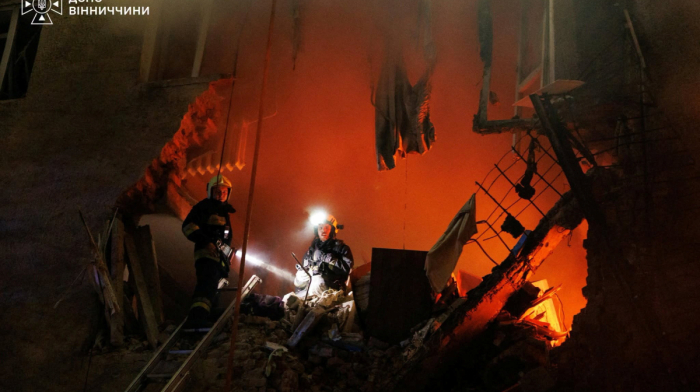
Ukrainian President Volodymyr Zelenskyy accused Russia on Tuesday (3 February) of exploiting a U.S.-backed energy ceasefire to stockpile weapons and launch large-scale drone and missile attacks on Ukraine ahead of peace talks.
You can download the AnewZ application from Play Store and the App Store.
What is your opinion on this topic?
Leave the first comment