live U.S. strikes Iranian drone targets near Strait of Hormuz despite ceasefire
The United States launched fresh strikes on Iranian drone targets near Bandar Abbas after intercepting attack drones over the Strait of Hormuz, raisin...
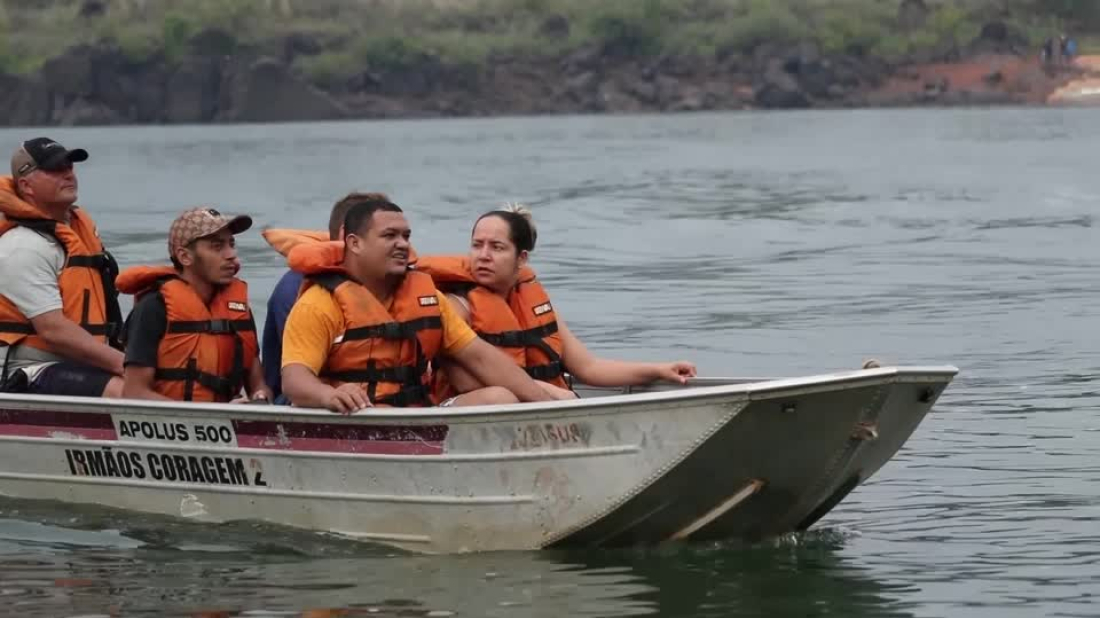
A bridge collapse in northeastern Brazil on December 22 has left residents stranded, forcing them to cross the Tocantins River by boat, while rescue efforts continue for the missing. The disaster has disrupted transport and raised environmental concerns.
A major bridge collapse in northeastern Brazil has left residents of Estreito and Aguiarnopolis stranded, forcing them to rely on boats to cross the Tocantins River. The central span of the 533-meter bridge, which connects Maranhao and Tocantins states, collapsed on Sunday, December 22, as vehicles were crossing, resulting in at least four fatalities and more than 10 people still missing. Rescue operations are underway, with divers ready to search for the victims' bodies once the area is deemed safe.
Locals expressed concerns about the disruption to daily life, as the bridge was a vital link for transporting essential goods, including food, and for workers commuting between the two cities. "It was hard for people to transit. Due to the lack of food, I’ve been crossing goods I bought to distribute with people and their towns. Things have been hard,” said Matheus, a local boat owner and driver.
Taxi services have also been severely affected. "There was a large flow of vehicles before the collapse. Sadly, it collapsed and now there’s none (no clients hiring my taxi services). Things will definitely be more expensive. For now, we only have transport by boat,” said Marcelo, a local taxi driver.
In addition to the rescue efforts, authorities are concerned about potential water contamination after trucks carrying hazardous materials such as sulfuric acid and agricultural pesticides fell into the river during the collapse. Efforts to locate the bodies of victims continue, while officials prioritize public health and safety in the aftermath of the disaster.

Start your day informed with the AnewZ Morning Brief. Here are the top stories for 26 May, covering the latest developments you need to know.
Dozens of people were killed in Israeli strikes on Lebanon on Tuesday, Lebanese officials said, straining a fragile ceasefire agreed between the countries in April. The attacks came as Iran accused the U.S. of violating a separate ceasefire with strikes near the Strait of Hormuz.
Chinese investigators have uncovered hidden tunnels, missing worker trackers and fake underground walls during an initial investigation into the country’s deadliest mining disaster in more than 15 years.
The new AnewZ documentary, TARGET: Yerevan, builds its explosive case on exclusive, secret recordings originally published by Minval Politika.
The visit by U.S. Secretary of State Marco Rubio to Armenia marks one of the clearest signs yet of Washington’s growing interest in the South Caucasus.
Bolivia’s President Rodrigo Paz has taken steps towards potentially declaring a state of emergency as anti-government protests intensify in the early months of his administration.
Norway is set to come under France’s nuclear umbrella, marking a significant shift in European security arrangements as concerns grow over the United States’ long-term commitment to the region.
Britain has announced fresh sanctions targeting cryptocurrency exchanges, financial networks and banks accused of helping Russia evade Western restrictions imposed after the invasion of Ukraine.
China’s carbon emissions grew far less than previously thought over the past five years, according to a new analysis that is drawing close attention from climate researchers worldwide.
Muslims around the world have marked Eid al-Adha with prayers, celebrations and acts of charity, though for many Palestinians the holiday unfolded amid conflict, restrictions and loss.
You can download the AnewZ application from Play Store and the App Store.
What is your opinion on this topic?
Leave the first comment