Russia-Ukraine peace talks in Abu Dhabi: What you need to know
Ukrainian and Russian negotiators began the second round of U.S.-brokered talks in Abu Dhabi on Wednesday, according to Ukrainian officials....
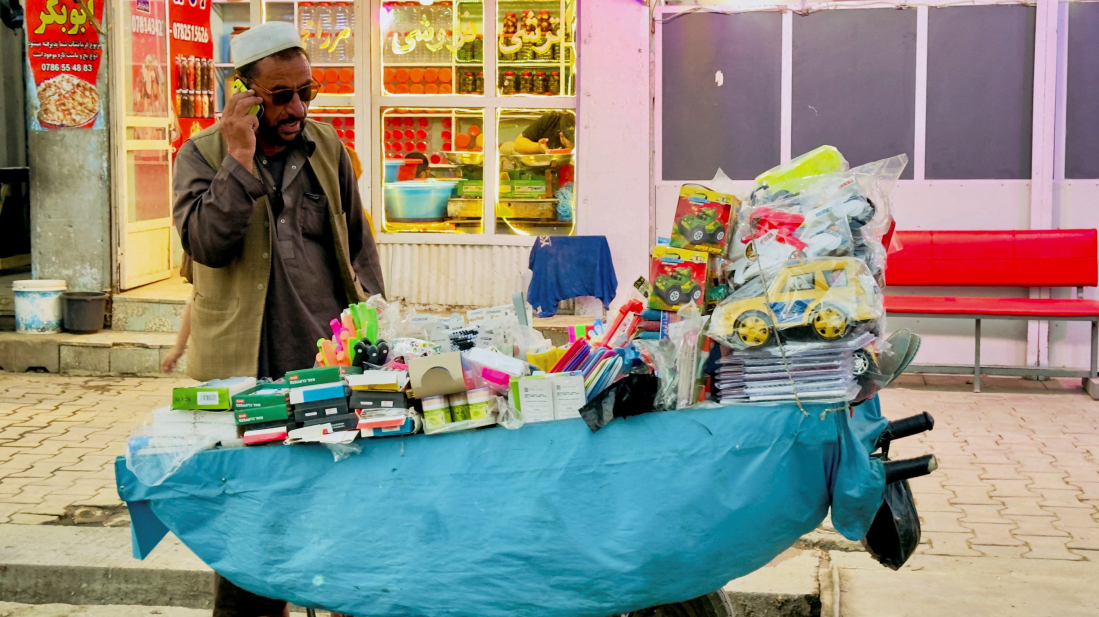
Cell phone and internet services were restored in Afghanistan on Wednesday, local residents said - around 48 hours after diplomatic and industry sources said connectivity was abruptly cut on the orders of the Taliban administration.
The cell phone services of Roshan and Etisalat companies, the foreign-owned biggest providers, came back to life in the late afternoon, according to residents in Kabul and other cities.
Internet access was restored, companies providing the service said.
The ruling Taliban did not provide a reason for the services going down or their restoration, but one Taliban source in the information department said there were technical reasons for the outage and that services would be quickly restored.
Reuters could not verify his information.
He did not respond to a request for comment on whether the Taliban had ordered the outage.
The United Nations (UN) had called for connectivity to be reinstated.
The outage, which started on Monday, follows a series of hard-line restrictions this year, including an internet ban across a swathe of the country's north, and a ban on playing chess that was imposed for fears it was giving rise to gambling.
The outage had caused chaos, with financial remittances, trade with neighbouring countries and the operations of banks paralysed, while many Afghans were left stranded after flights cancelled.
Online learning by teenage girls and women, an education lifeline after they were banned from high schools and universities, was also brought to a stop.

Talks with the U.S. should be pursued to secure national interests as long as "threats and unreasonable expectations" are avoided, President Masoud Pezeshkian posted on X on Tuesday (3 February).
Cuba’s Deputy Foreign Minister Carlos Fernández de Cossío has denied that Havana and Washington have entered formal negotiations, countering recent assertions by U.S. President Donald Trump, while saying the island is open to dialogue under certain conditions.
Mexico said it will stop sending oil to Cuba as U.S. President Donald Trump ramped up pressure on the Caribbean nation.
Web Summit Qatar 2026 opened in Doha on Sunday, drawing tens of thousands of founders, investors, policymakers and technology leaders to what organisers describe as one of the region’s largest digital economy gatherings.
Any U.S. military strike on Iran would almost certainly trigger cross-border retaliation and could ignite a wider regional war, according to political analyst James M. Dorsey.
Ukrainian and Russian negotiators began the second round of U.S.-brokered talks in Abu Dhabi on Wednesday, according to Ukrainian officials.
Tech billionaire Elon Musk said the search at his social media platform X offices in Paris on Tuesday by French authorities was a "political attack".
Thousands of documents linked to the late sex offender Jeffrey Epstein have been taken down from the U.S. Justice Department’s (DOJ) website after victims and their lawyers warned that sensitive personal information had been exposed.
Start your day informed with AnewZ Morning Brief: here are the top news stories for the 4rd of February, covering the latest developments you need to know.
U.S. Secretary of State Marco Rubio met with Indian Foreign Minister Subrahmanyam Jaishankar on Tuesday (February 3) one day after the U.S. and India signed a trade deal.
You can download the AnewZ application from Play Store and the App Store.
What is your opinion on this topic?
Leave the first comment