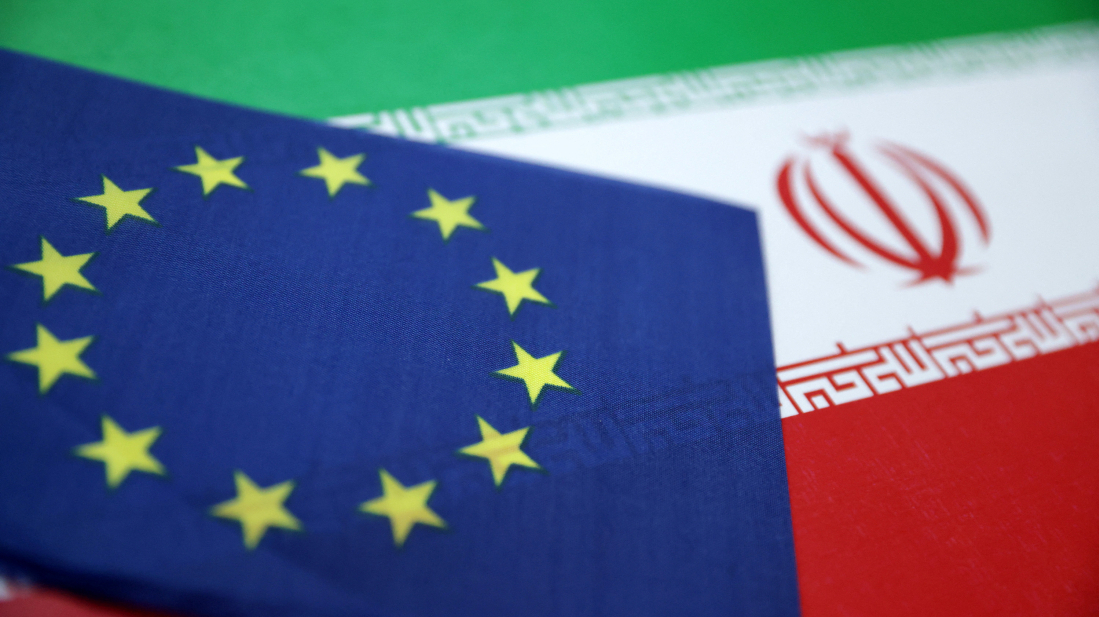
Tehran strongly rejected the re-imposed UN nuclear sanctions as “unlawful and unjustified” and the Atomic Energy Organization of Iran (AEOI) signed multi-billion-dollar agreements with Russia to build new reactors as the Parliament urged the government to strictly implement the legislation on suspension of ties with the UN nuclear watchdog.
The Foreign Ministry was first to react by recalling the Iranian envoys to France, Germany and the UK for consultations to decide on the future of ties with the European powers that triggered the return of the nuclear sanctions by referring their dispute with Tehran to the UN Security Council.
Foreign Minister Abbas Araghchi wrote a letter to the UN Chief Antonio Guetteres and UNSC chair-state in which he termed as “unlawful and unjustified” the decision on Friday regarding re-installment of the pre-2015 UN sanctions.
He sent separate letters to his counterparts urging them not to implement the return of UN sanctions and stating that Iran will continue to defend its sovereign rights and legitimate interests “duly and decisively”.
And Iran’s Mission at the UN Headquarters in New York in a note protested to the world body’s Secretariat over announcement on the return of sanctions with effect from last Saturday.
“Resolution 2231 does not grant any authority to the Secretary General or the Secretariat to determine, announce or inform Member States about the so-called ‘re-application of expired resolutions’. The resolution provides a specific mechanism in operative paragraphs 11 and 12 and places the matter exclusively within the competence of the Security Council. By its unilateral action, the Secretariat has exceeded the limits of its authority and entered the competence of the Security Council.”
In the meantime, the Parliament has stressed implementation of its legislation to suspend cooperation with the International Atomic Energy Organization (IAEA).
The spokesman of the Parliamentary Commission of National Security and Foreign Policy Ebrahim Rezaei said after a special meeting of MPs that the new cooperation agreement reached between Tehran and the agency earlier this month in Egypt will not be implemented.
According to the parliamentarian, the meeting discussed the future of Iran’s membership in the Non-Proliferation Treaty but did not make a decision whether to stay in or withdraw from the treaty.
Prior to re-imposition of sanctions demanded by the European troika, Iran had suspended its ties with the IAEA including the visits by inspectors after its civilian nuclear facilities under UN safeguards were bombed by Israel and the U.S. during the 12-day war last June.
Nevertheless, Tehran did not limited its reaction to the return of sanctions only to symbolic diplomatic measures such as recalling its ambassadors from Berlin, London and Paris, writing letters of protest to the UN Secretary General and the Security Council, or reviewing the future of ties with the IAEA.
The AEOI took pre-emptive steps prior to the UNSC voting on a China-Russia joint draft proposing a six-month suspension of sanctions by concluding agreements in Moscow amounting to 25 billion dollars on manufacturing of reactors for its upcoming mega nuclear power plant to the south of the country along the Persian and Gulf and the Oman Sea.
Last week, the chief of Iran’s Atomic Energy Organization Mohammad Eslami signed an MoU with Russia on building of Small Modular Reactors of maximum output of 300 Megawatts.
“Iran and Russia also reached an agreement on the production of more than 5,000 Megawatts of electricity by constructing four units at the Iran-Hormuz Power Plant at Hormuzgan Province” during Eslami’s visit, said Iran’s Ambassador in Moscow Kazem Jalali.
The multi-billion-dollar agreements which will be launched at the Iran Hormuz power plant site in the southern Hormuzgan Province were regarded an achievement for Iran on the eve of the return of the pre-2015 nuclear sanctions.
Iran’s Persian Gulf province of Bushehr is hosting its first ever 1000-Megawatt nuclear power plant which was connected to the national grid in 2012 based on an agreement with Rosatom.
The Russian company took over the project after the German Siemens company withdrew from its 1974 contract with Iran following the Islamic Revolution which ousted the pro-west shah monarchy in 1979.










What is your opinion on this topic?
Leave the first comment