Rohingya genocide explained: What the landmark ICJ ruling means for Myanmar
The United Nations' highest court has ruled that Myanmar committed genocide against its Rohingya Muslim minority during a 2017 military crackdo...
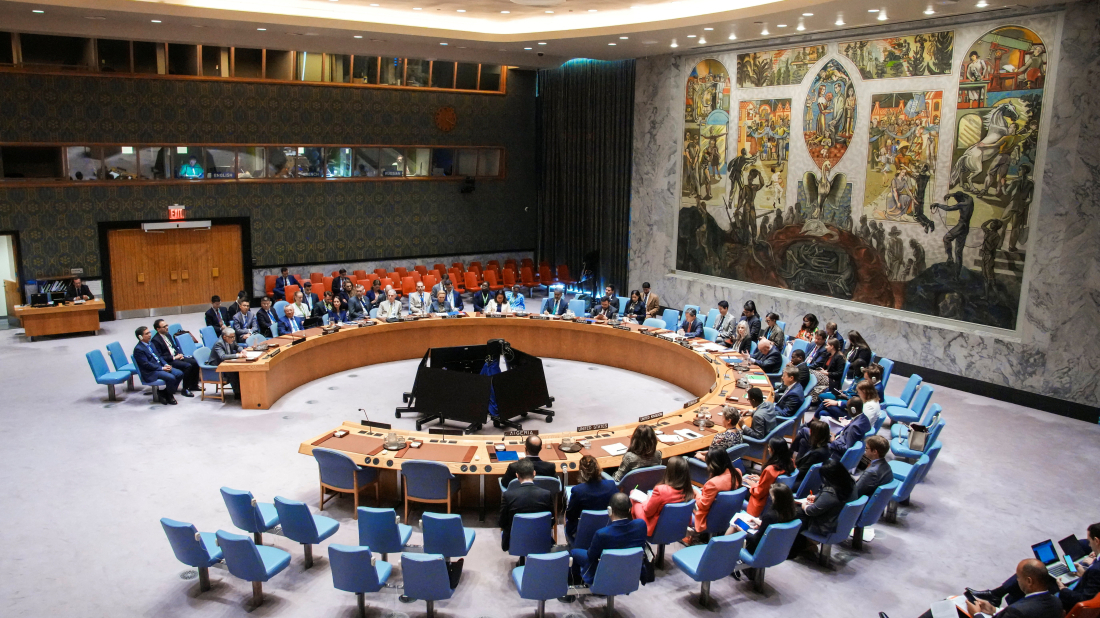
The United Nations Security Council will vote on Friday on a resolution proposed by Russia and China to delay the reimposition of sanctions on Iran for six months, but diplomats said it was unlikely to pass.
All U.N. sanctions on Iran are due to be reimposed at 8 p.m. EDT on Friday (0000 GMT on Saturday) after Britain, France and Germany triggered a 30-day process accusing Tehran of violating a 2015 deal with world powers aimed at preventing it from developing a nuclear weapon.
A resolution in the 15-member U.N. Security Council needs at least nine votes in favour and no vetoes by either Britain, France or the United States. Diplomats said there were likely to be a lot of abstentions from the vote and the text was unlikely to be adopted.
Iran and European powers have this week been trying to strike a last-ditch deal to delay the return of sanctions and make space for long-term negotiations on Tehran's nuclear programme.
Britain, France and Germany have offered a delay of up to six months - to allow space for talks on a long-term deal on Tehran's nuclear programme - if Iran restores access for U.N. nuclear inspectors, addresses concerns about its stock of enriched uranium, and engages in talks with the United States.
Iranian President Masoud Pezeshkian said on Thursday that Tehran was fully prepared to face any scenario and would adjust its policies if U.N. sanctions were reinstated, though he expressed hope they would not be revived, Iranian state media reported.
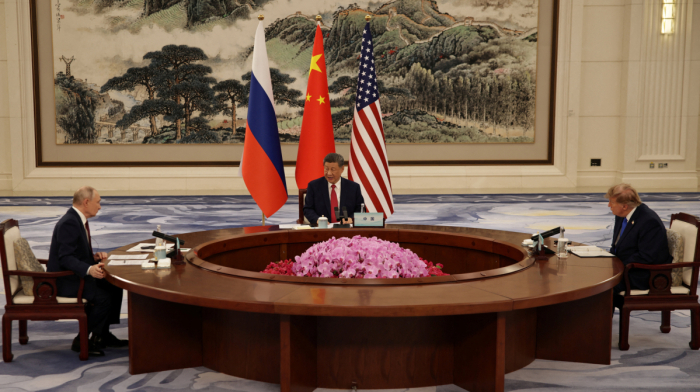
U.S. President Donald Trump, Russian President Vladimir Putin and Chinese President Xi Jinping are holding trilateral talks at the APEC summit in Shenzhen, China, with Ukraine, nuclear arms control and global security on the agenda.
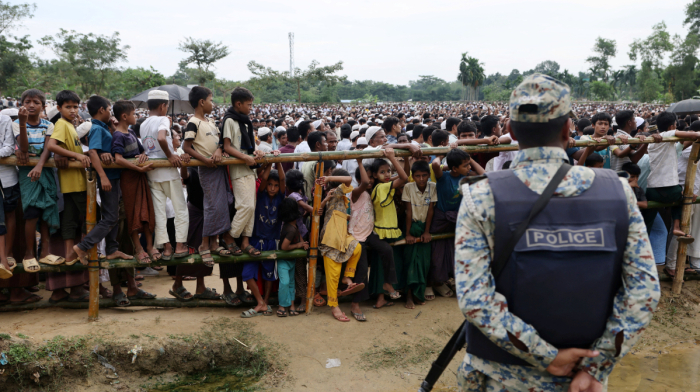
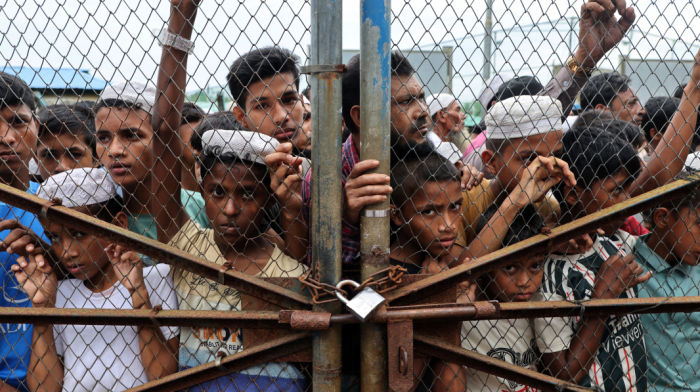
Myanmar's security forces committed genocide against Rohingya Muslims during a brutal military crackdown in 2017 that killed thousands and involved widespread sexual violence, the United Nations' top court ruled on 19 November.
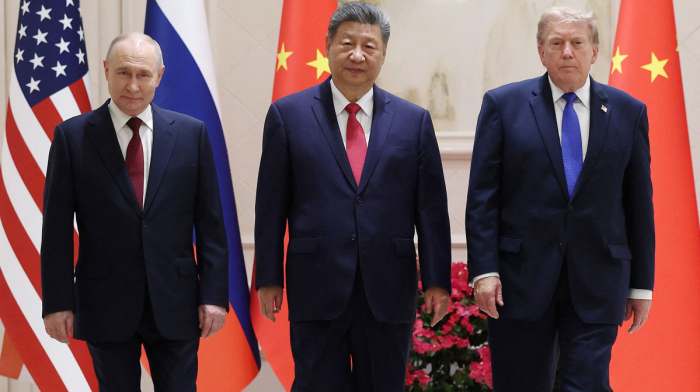
U.S. President Donald Trump, China's Xi Jinping and Russia's Vladimir Putin have issued a joint “declaration of peace” following historic talks in southern China, but stopped short of committing to nuclear arms reductions or addressing the war in Ukraine in their joint statement.
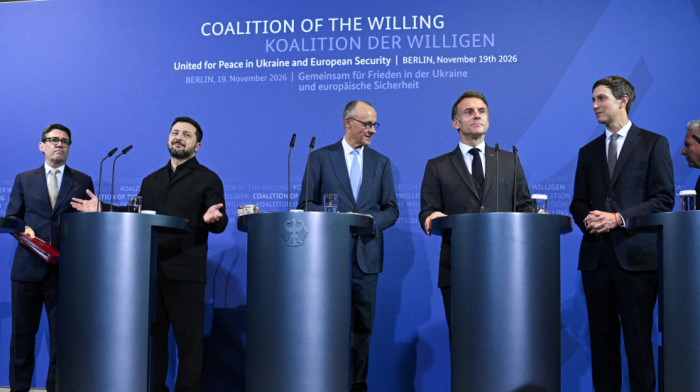
European leaders backing Ukraine met in Berlin on Thursday 19 November and warned that no peace deal should be settled without them.
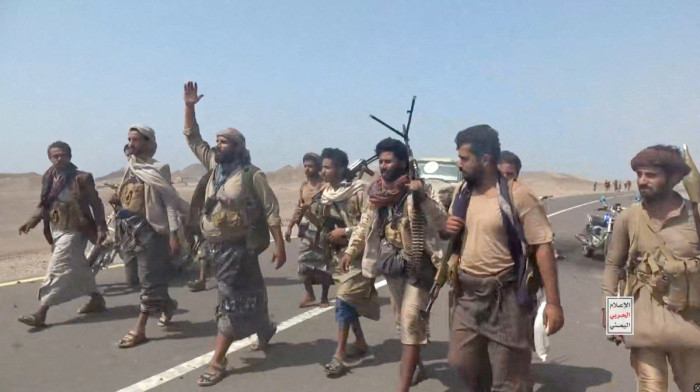
Saudi Arabia is preparing for up to six more months of fighting against Yemen’s Houthis, potentially extending the conflict into spring 2027, Reuters reported, as the kingdom struggles to secure gains on the ground.
The United Nations' highest court has ruled that Myanmar committed genocide against its Rohingya Muslim minority during a 2017 military crackdown that forced hundreds of thousands to flee their homes.
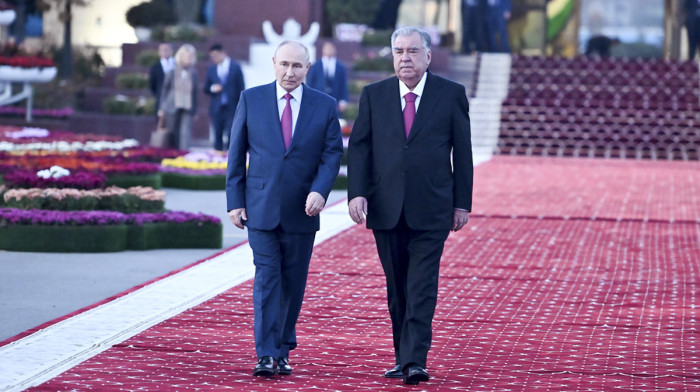
Tajik President Emomali Rahmon and Russian President Vladimir Putin held talks in Dushanbe on 20 November, focusing on labour migration, security along Tajikistan’s border with Afghanistan and the future of Russia’s military presence in the country.
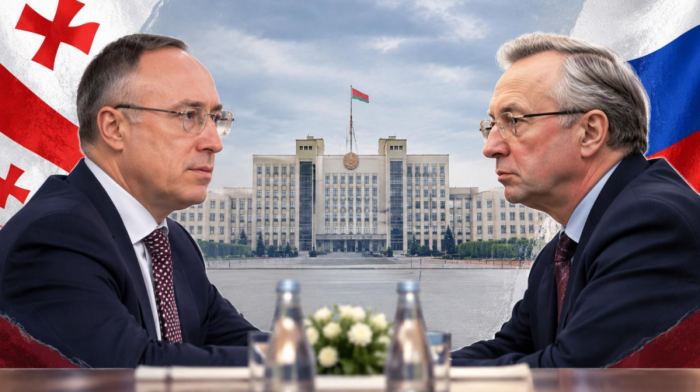
Georgia and Russia have resumed direct official talks, with senior diplomats meeting in Minsk on 19 November to discuss trade, economic cooperation and regional security, despite longstanding tensions between the two countries.
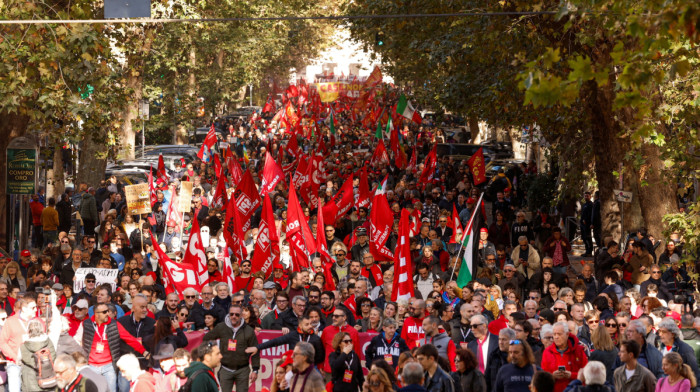
Students and workers took to the streets across Europe on Friday, 20 November, demanding better pay, affordable housing and more funding for education and public services, while protesting against rising military spending.
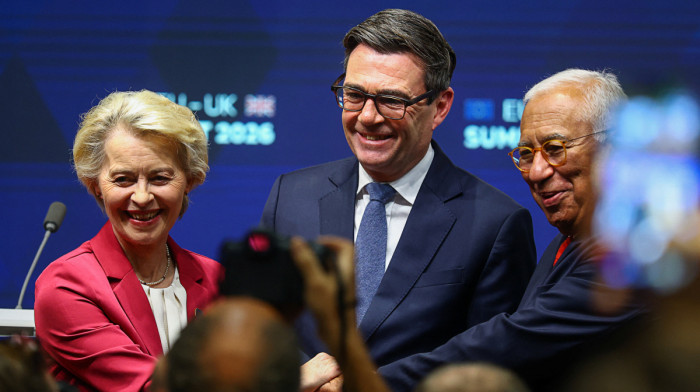
Britain and the European Union have reached an agreement to ease trade, expand opportunities for young people and deepen economic ties, in a major step towards rebuilding relations after Brexit.
You can download the AnewZ application from Play Store and the App Store.
What is your opinion on this topic?
Leave the first comment