Danish police said on Tuesday that drones that shut the country's main airport a day earlier appeared to have been flown by "a capable operator" seeking to demonstrate certain abilities, adding that no suspects had been identified.
The airports in Copenhagen and Oslo, the two busiest in the Nordic region, were shut for hours after drones were observed in their airspace late on Monday, leaving tens of thousands of passengers stranded as flights were diverted.
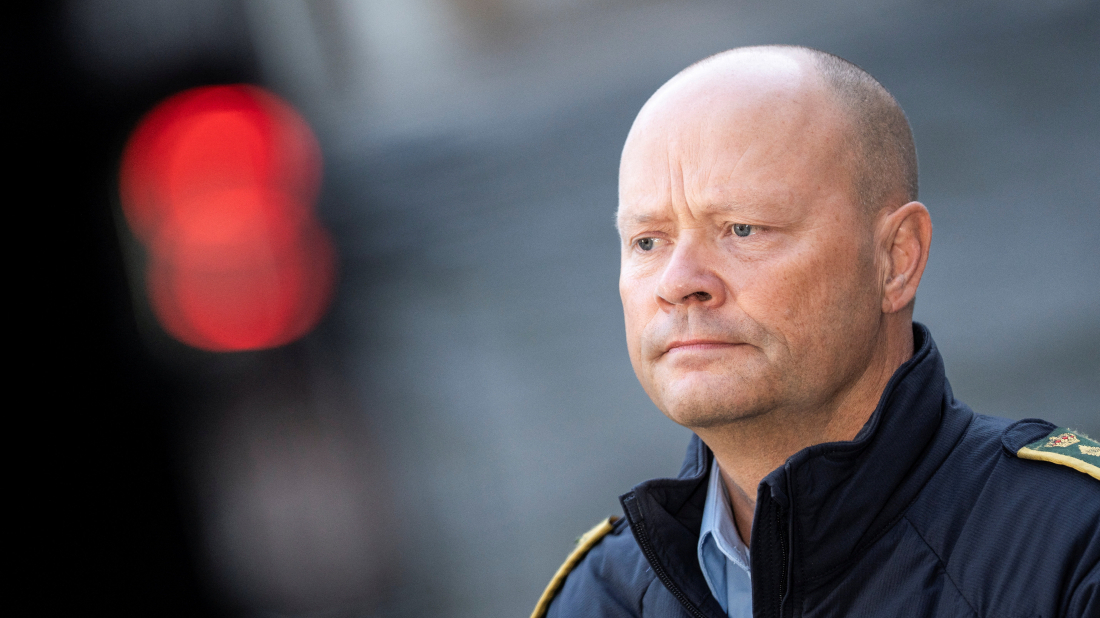
"We have concluded that this was what we would call a capable operator," Danish police Chief Superintendent Jens Jespersen told reporters on Tuesday, referring to the drones observed in Copenhagen.
"It's an actor who has the capabilities, the will and the tools to show off in this way," Jespersen said, adding that it was too early to say if the incidents in Denmark and Norway were linked.
Meanwhile, Denmark's Prime Minister Mette Frederiksen said in a statement on Tuesday that the drone incursion that closed Copenhagen's airport on Monday was the most severe attack on Danish infrastructure to date.
Frederiksen said it seemed designed "to disrupt and create unrest", though authorities refrained from naming suspects.
"We are obviously not ruling out any options in relation to who is behind it. And it is clear that this fits in with the developments we have observed recently with other drone attacks, violations of airspace, and hacker attacks on European airports," she said.
No comment on Zelenskyy's post
Danish police declined to comment on a post on X by Ukraine's President Volodymyr Zelenskyy, without providing evidence, that Russia was behind the Copenhagen airspace violation.
"I can't say anything about that. It's not because I don't want to, it's because I simply don't know," Jespersen said.
Denmark's foreign ministry did not immediately respond to a request for comment.
The Russian embassy in Copenhagen did not immediately reply to requests for comment made by phone and email.
Germany and other European nations in recent years have opened investigations into repeated drone flights over critical infrastructure that raised suspicions of espionage.
Drones came from several directions, then disappeared
Copenhagen Airport was closed for four hours when two or three large drones were seen flying in its immediate vicinity, officials said, while the Oslo Airport was closed for three hours following two sightings, according to local police.
Jespersen said the drones in Denmark came from several different directions, turning their lights on and off, before eventually disappearing after several hours.
Police were investigating multiple hypotheses about the origin of the drones, including that they may have been launched from ships, Jespersen said.
Denmark's main airport is located close to a busy shipping lane where vessels enter and exit the Baltic Sea.
Copenhagen diverted 31 flights to other airports, causing ripple effects that delayed or cancelled around 100 flights and affected some 20,000 passengers, a spokesperson told reporters on Tuesday.
There has been a series of disruptions at European airports in recent days.
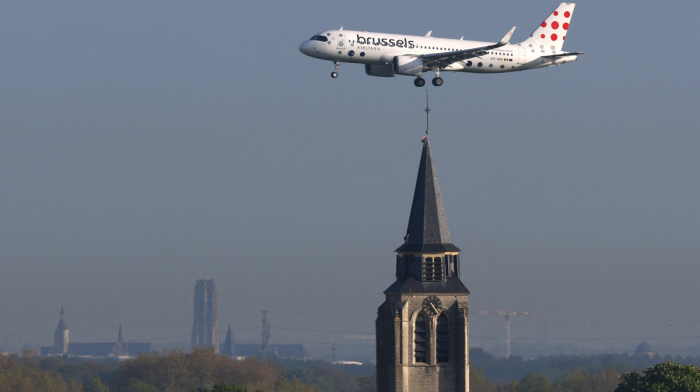
A cyberattack last Friday knocked out check-in and boarding systems supplied by Collins Aerospace, a unit of RTX, affecting operations at London's Heathrow and the Berlin and Brussels airports. Over the weekend and into Monday, the fallout continued to snarl travel across the region.

















What is your opinion on this topic?
Leave the first comment