Davos 2026: Why quantum computing is set to outpace the global AI revolution
In the snowy peaks of Davos, where the world’s most powerful leaders gather for the 56th World Economic Forum, a new narrative is emerging that chal...
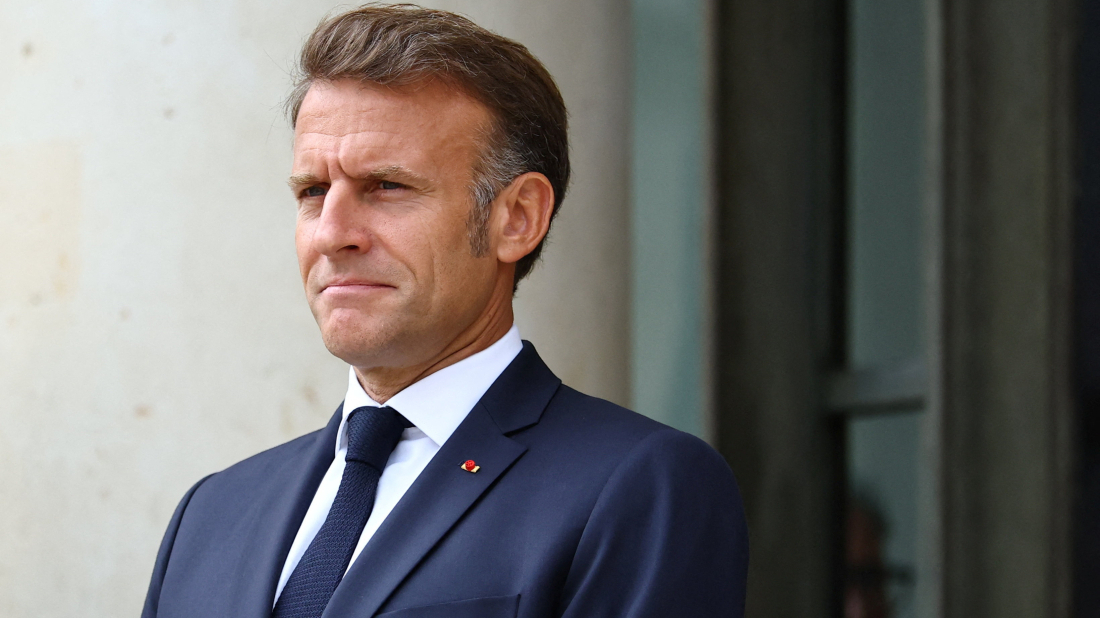
French President Emmanuel Macron is searching for his fifth prime minister in less than two years after opposition parties combined to oust centre-right leader François Bayrou over his unpopular budget-cutting plans.
Bayrou’s nine-month tenure ended on Monday night when he lost a parliamentary confidence vote.
On Tuesday afternoon, he tendered his resignation to Macron, according to the government website, which added that Bayrou and his cabinet would remain in a caretaker role until a successor is appointed.
Whoever Macron names will face the daunting challenge of forging consensus in parliament to secure approval for next year’s budget. France is under mounting pressure to rein in a deficit nearly double the EU’s 3% limit, alongside a debt burden equal to 114% of GDP.
Defence Minister Sébastien Lecornu has been floated as a possible successor, while Macron may also consider a centre-left figure or a technocrat. There are no rules dictating his choice or timing, though a government source indicated he could make the appointment as early as Tuesday.
A poll published by RTL on Tuesday found Jordan Bardella, president of the far-right National Rally (RN), was the most popular choice among the public, with 43% favouring him. RN leader Marine Le Pen and conservative Interior Minister Bruno Retailleau both drew 36% support.
The RN has urged Macron to step down or call fresh parliamentary elections. Although Macron has dismissed the idea of resigning, surveys suggest most voters would welcome either option. His snap election last year left France with a fractured legislature that has made even basic governance difficult.
Socialist Party leader Olivier Faure told France Inter radio: “We need to claim power.”
Meanwhile, French businesses have voiced concern over the fallout of the political crisis.
“The government’s collapse compounds months of instability that have already eroded economic confidence,” said Maya Noël of tech lobby group France Digitale. “For the innovation sector, this instability has an immediate price: it hampers investment and hiring.”
The country is also bracing for “Block Everything” demonstrations on Wednesday, which have spread across social media in echoes of the 2018 Yellow Vest protests.
Paris police chief Laurent Nuñez told BFM TV that 80,000 officers would be deployed nationwide, warning of potential efforts to block major roads and stations, as well as the risk of violent unrest.
Labour unions have separately announced a day of strikes and protests for 18 September.

Qarabağ claimed a late 3–2 victory over Eintracht Frankfurt in the UEFA Champions League on Wednesday night, scoring deep into stoppage time to secure a dramatic home win in Baku.
Russian President Vladimir Putin said on Wednesday that Moscow could pay $1 billion from Russian assets frozen abroad to secure permanent membership in President Donald Trump’s proposed ‘Board of Peace’.
President Donald Trump said on Thursday that the United States has an "armada" heading toward Iran but hoped he would not have to use it, as he renewed warnings to Tehran against killing protesters or restarting its nuclear programme.
A commuter train collided with a construction crane in southeastern Spain on Thursday (22 January), injuring several passengers, days after a high-speed rail disaster in Andalusia killed at least 43 people.
“I’m seeking immediate negotiations to once again discuss the acquisition of Greenland by the U.S.,” US President Donald Trump told the World Economic Forum. During his Wednesday (21 January) address, he once more cited national security concerns as the reason for wanting to own the Arctic island.
In the snowy peaks of Davos, where the world’s most powerful leaders gather for the 56th World Economic Forum, a new narrative is emerging that challenges the current dominance of artificial intelligence (AI).
Start your day informed with AnewZ Morning Brief: here are the top news stories for the 23th of January, covering the latest developments you need to know.
The United States officially left the World Health Organization on 22 January, triggering a financial and operational crisis at the United Nations health agency. The move follows a year of warnings from global health experts that a U.S. exit could undermine public health at home and abroad.
Jared Kushner, U.S. President Donald Trump’s senior adviser, unveiled plans for a “New Gaza” on 23 January in Davos. The initiative to rebuild the war‑torn territory with residential, industrial, and tourism zones accompanies the launch of Trump’s Board of Peace to end the Israel-Hamas war.
TikTok’s Chinese owner, ByteDance, has finalised a deal to create a majority American-owned joint venture that will secure U.S. user data, safeguarding the popular short-video app from a potential U.S. ban. The move comes after years of political and legal battles over national security concerns.
You can download the AnewZ application from Play Store and the App Store.
What is your opinion on this topic?
Leave the first comment