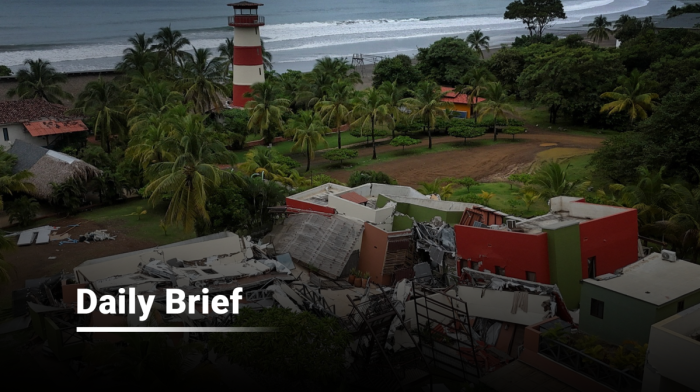
Climate change threatens deep-diving turtle hatchlings in Mexico
Hundreds of thousands of deep-diving turtles, known as olive ridley sea turtles, have arrived on Mexico’s southern coast for one of nature&rs...
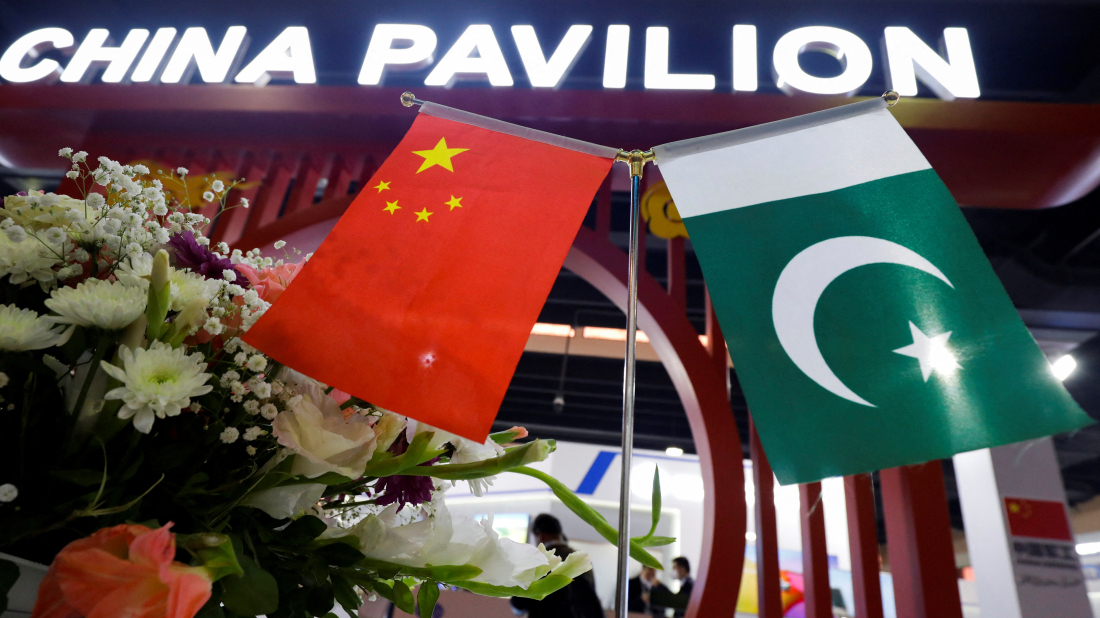
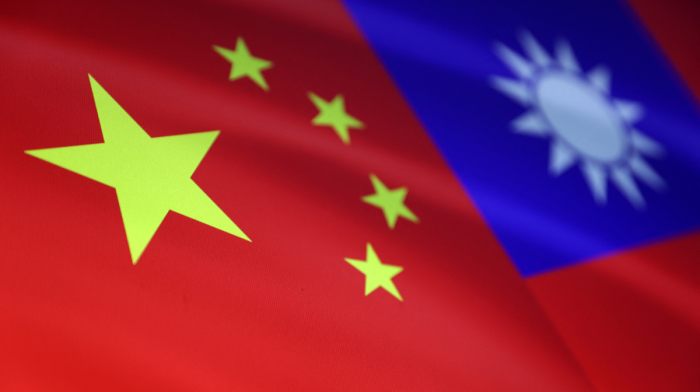
Pakistan and China are expected to deepen cooperation under the second phase of the China-Pakistan Economic Corridor (CPEC), with the two sides set to sign 11 new agreements aimed at workforce development and vocational training.
The accords, expected to be finalised during upcoming bilateral meetings, focus on expanding technical education programs, establishing training centres, and upgrading skill development initiatives in key sectors. Officials say the agreements will directly support CPEC Phase II’s emphasis on industrial growth, agricultural modernisation, and socio-economic cooperation.
Pakistan’s Ministry of Planning noted that the initiatives are designed to strengthen the country’s human resource base, equipping young people with advanced technical and vocational skills. This is seen as essential for supporting upcoming industrial parks and special economic zones being developed under CPEC.
Chinese officials have highlighted the agreements as a continuation of Beijing’s commitment to “shared development,” pointing out that investment in human capital will ensure that CPEC projects are sustainable and mutually beneficial.
Analysts view the training accords as a shift from Phase I of CPEC, which focused heavily on infrastructure and energy, to Phase II, which emphasises long-term capacity building. By targeting skills in manufacturing, agriculture, logistics, and digital technology, the agreements are expected to generate employment opportunities and enhance Pakistan’s competitiveness in regional supply chains.
The move comes as Pakistan seeks to address persistent challenges of unemployment and under-skilled labour, while China looks to secure reliable partners for industrial cooperation. Both governments say the partnerships mark another step toward strengthening the “all-weather strategic cooperative” ties between the two countries.

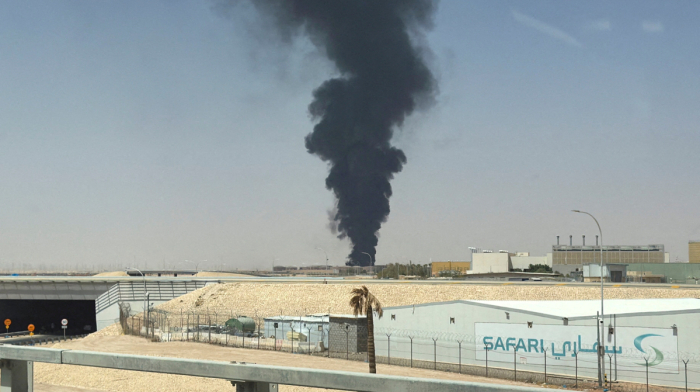
Maritime trackers received new reports of an attack on a ship in the Strait of Hormuz on Sunday, according to the UK Maritime Trade Operations (UKMTO), adding to concerns about energy supplies after Saudi Arabia shut down a vital oil pipeline on Saturday.
A Kyiv-Warsaw train was struck near the Polish border, Ukraine's state railway firm said on Sunday. No passengers were injured. Ukrainian Railways said that the country's railways were facing systematic attacks for a second day and warned of widespread delays.
U.S. Central Command said 101 commercial vessels have been redirected in the Strait of Hormuz, while oil prices rose more than three per cent amid fresh regional attacks and supply concerns.
A Russian strike on a farm warehouse in Pryluky, north-central Ukraine, has killed at least three people, local police said. Meanwhile, EU foreign policy chief Kaja Kallas said an attack on a train near the Polish border was an attempt to intimidate Ukraine's allies.
China will lead the creation of an open source platform among BRICS members to promote cooperation on large language models, Chinese President Xi Jinping said on Sunday.
A drone hit a petrol station in Ukraine's capital of Kyiv early on Tuesday, Mayor Vitali Klitschko said on the Telegram messaging app, adding that there was also a strike on warehouse facilities in another part of the city.
Every day since a torrent of mud and rocks destroyed a Nepal-China border crossing high up in the Himalayas last month, Arushi Gupta's parents have called and messaged their missing daughter hoping she somehow survived.
Foreign ministers of Cambodia and Thailand delivered opening statements on Tuesday at the first meeting of a UN arbitration process to resolve a long-running maritime dispute between the two Southeast Asian neighbours.
A federal judge has halted a Trump administration immigration policy that would have significantly changed how long foreign students, exchange visitors and international journalists can remain in the United States.
Danish Prime Minister Mette Frederiksen has expressed cautious optimism about ongoing discussions with the United States regarding Greenland, signalling that Copenhagen believes a cooperative solution can be reached despite years of political tensions surrounding the strategic Arctic territory.
You can download the AnewZ application from Play Store and the App Store.
What is your opinion on this topic?
Leave the first comment