live Qatar shoots down Iranian jets: All the latest news on the Iran strikes
The Middle East crisis intensifies after the deadly attack on the compound of the Supreme Leader of Iran Ali Khamenei on Saturday t...
New government focuses on rebuilding Syria’s education system, damaged by 13 years of war.
Syria's new education minister, Nazir Mohammad al-Qadri, has announced significant reforms to the country’s school system, including the removal of all references to the Baath Party, which ruled Syria for decades. Despite the changes, girls' access to education will remain unrestricted, and the existing curriculum will largely stay intact.
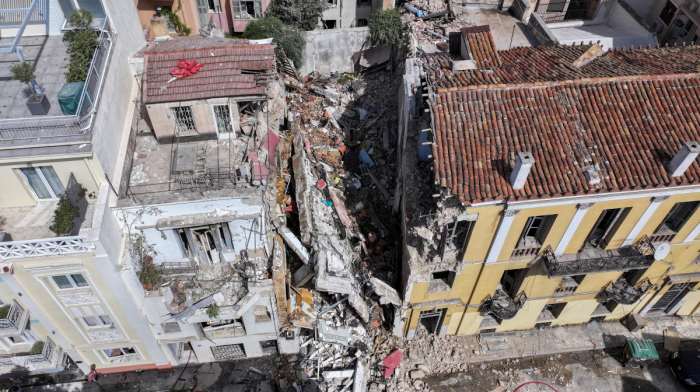
“Our mission is very difficult today because the regime destroyed the schools, so there’s a need to restore and build more than 9,000 schools,” Qadri stated. Over half of Syria’s 18,000 schools were damaged or destroyed during the conflict.
Qadri emphasized that religious studies, both Muslim and Christian, will continue to be part of the curriculum, and schools will remain segregated by gender after primary level, consistent with longstanding norms.
The new government, led by Islamist rebel group Hayat Tahrir al-Sham (HTS), has adopted a moderate tone, seeking to include minority groups and focus on reconstruction. With schools opening soon, “nationalist studies,” which previously taught Baathist ideology, will no longer be mandatory.
Syria’s education system, once a regional model, faces challenges from Western sanctions and widespread destruction, but the new administration is working quickly to rebuild and reform.

Follow the latest developments and global reaction after the U.S. and Israel launched “major combat operations” in Iran, prompting retaliation from Tehran.
Saudi Arabia’s state oil giant Saudi Aramco closed its Ras Tanura refinery on Monday following an Iranian drone strike, an industry source told Reuters as Tehran retaliated across the Gulf after a U.S.-Israeli attack on Iranian targets over the weekend.
The Kremlin is utilising the recent United States and Israeli military strikes on Iran to validate its ongoing war in Ukraine. Russian officials are pointing to the escalation in the Middle East as evidence that Western nations do not adhere to international rules.
The Middle East crisis intensifies after the deadly attack on the compound of the Supreme Leader of Iran Ali Khamenei on Saturday that killed him, other family members and senior figures. Iran has launched retaliatory strikes on U.S. targets in the region.
Ayatollah Alireza Arafi has moved into a pivotal constitutional role following the death of Supreme Leader Ayatollah Ali Khamenei, becoming the clerical member of Iran’s temporary leadership council under Article 111 of the Constitution of the Islamic Republic of Iran.
The U.S.-Iran crisis has entered its third day, with further strikes reported across the Middle East and the death toll rising. Oil prices have surged to levels last seen during the Covid-19 pandemic, raising fears of economic disruption and higher prices worldwide.
The UK said it's allowing the U.S. to use its bases for defensive strikes against Iran amid escalating missile attacks, after a suspected drone strike hit a British airbase in southern Cyprus, causing limited damage.
The Kremlin is utilising the recent United States and Israeli military strikes on Iran to validate its ongoing war in Ukraine. Russian officials are pointing to the escalation in the Middle East as evidence that Western nations do not adhere to international rules.
European Union stands with its member states in the face of any threat, EU Commission President Ursula von der Leyen said in response to the drone strike that hit Britain's Royal Air Force base of Akrotiri in southern Cyprus overnight.
Start your day informed with AnewZ Morning Brief. Here are the top news stories for the 27th of February, covering the latest developments you need to know.
You can download the AnewZ application from Play Store and the App Store.
What is your opinion on this topic?
Leave the first comment