Fewer than 20 ships transited key Strait of Hormuz over weekend
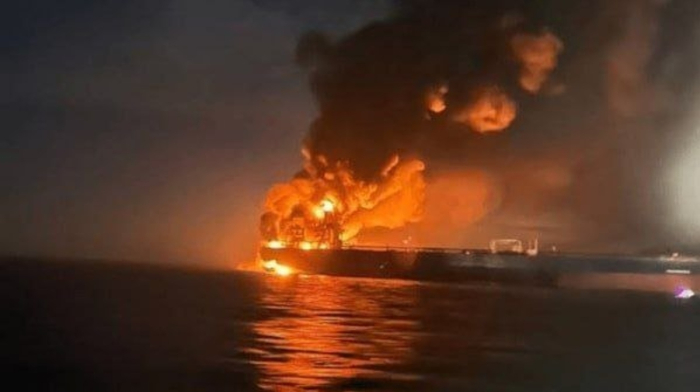
Only four commodity vessels crossed the Strait of Hormuz on Sunday, following 13 transits a day earlier, as disruptions continue to restrict traffi...
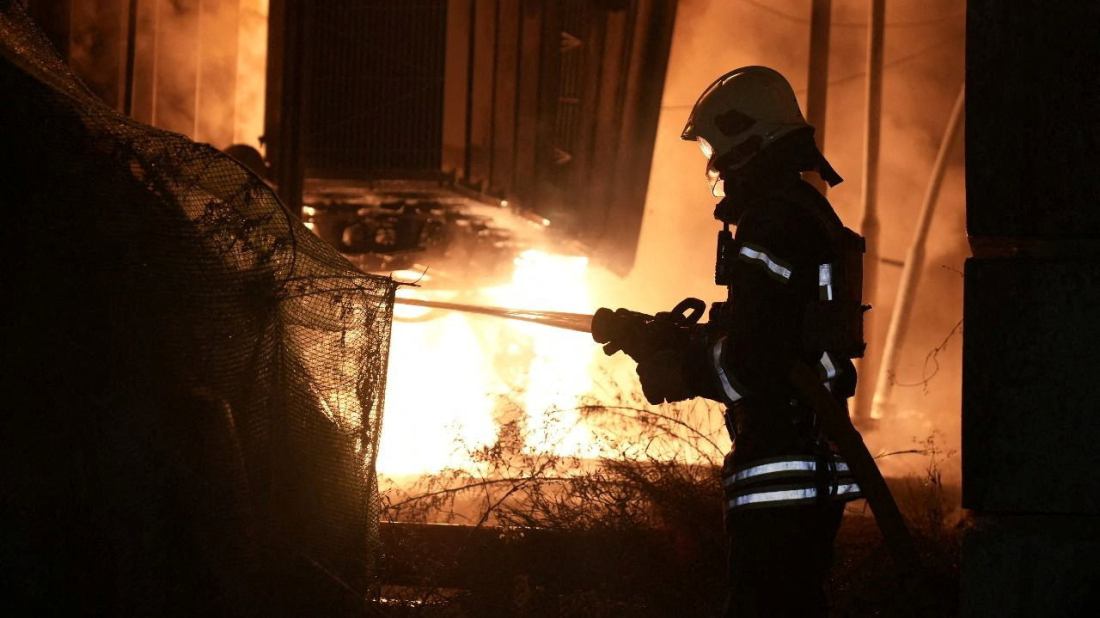
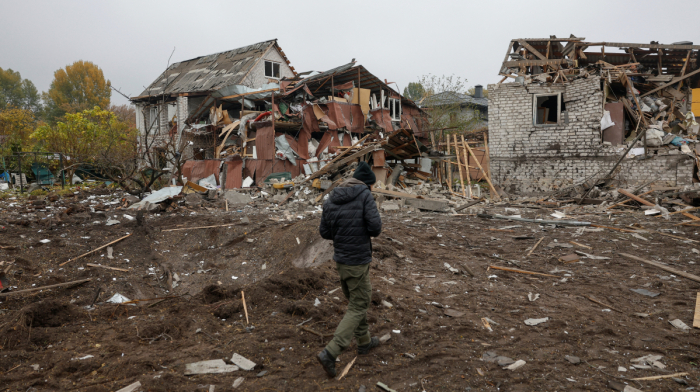
More than 100,000 people in Ukraine are without electricity after Russian forces carried out extensive overnight drone attacks on energy and gas transport infrastructure across six regions, causing significant damage in Poltava, Chernihiv and Sumy on Wednesday.
That's according to Ukrainian officials who said that key gas production facilities in Poltava and Kharkiv were also targeted, alongside sites in Zaporizhzhia and Donetsk.
"We regard the Russian attacks as a continuation of the Russian Federation's deliberate policy of destroying Ukraine's civilian infrastructure ahead of the heating season," the Energy Ministry said.
Ukraine has been struggling with a gas shortage since earlier missile strikes cut production by 40%. According to authorities, Russian attacks on energy facilities have occurred 2,900 times since March 2025.
While power in Poltava has been restored, large parts of Sumy remained without electricity, with water and healthcare services relying on emergency backup systems.
The Ukrainian Air Force reported downing 74 of the 95 drones launched, though 21 hit nine locations.

Iran on Saturday denounced U.S. plans to announce new sanctions that could put further strain on the Islamic Republic's economy and have an impact on its most important trading partners including China.
A large-scale drone attack has hit Russia's Samara region, damaging facilities and disrupting operations at an Ozon logistics complex, according to regional authorities and the company.
Ukrainian President Volodymyr Zelenskyy has rejected calls for a wartime election, arguing that holding a vote while Russia's full-scale invasion continues would divide the country and undermine national unity.
Azerbaijan and Uzbekistan have elevated bilateral ties with a Treaty on Eternal Friendship signed by Presidents Ilham Aliyev and Shavkat Mirziyoyev in Tashkent on 23 August. The leaders also agreed to expand trade, investment, transport, and regional cooperation.
Start your day informed with AnewZ Morning Brief. Here are the top news stories for the 22nd of August, covering the latest developments.
New Zealand Prime Minister Christopher Luxon said on Monday that his party will introduce a bill to ban children under 16 from using social media. The proposal would allow fines of up to 10 per cent of a platform’s global revenue for non-compliance.
Russia reported a major fire at an Ozon logistics hub in Krasnodar after a drone attack on Monday, while Ukraine’s President Volodymyr Zelenskyy denied Kyiv’s official involvement in the Nord Stream 2 pipeline blasts.
Icelanders will vote on Saturday, 29 August, on whether to begin negotiations with the European Union, in a referendum that could reopen the country’s long-debated membership question.
At least 30 people have been killed after a massive landfill collapsed onto homes in Guinea's capital, Conakry, following heavy overnight rainfall that triggered a deadly landslide of waste in one of the city's densely populated districts.
Canada has rejected a proposed trade agreement with the United States after negotiations broke down over what Ottawa described as a series of last-minute demands that would have disproportionately favoured Washington and undermined Canadian economic interests.
You can download the AnewZ application from Play Store and the App Store.
What is your opinion on this topic?
Leave the first comment