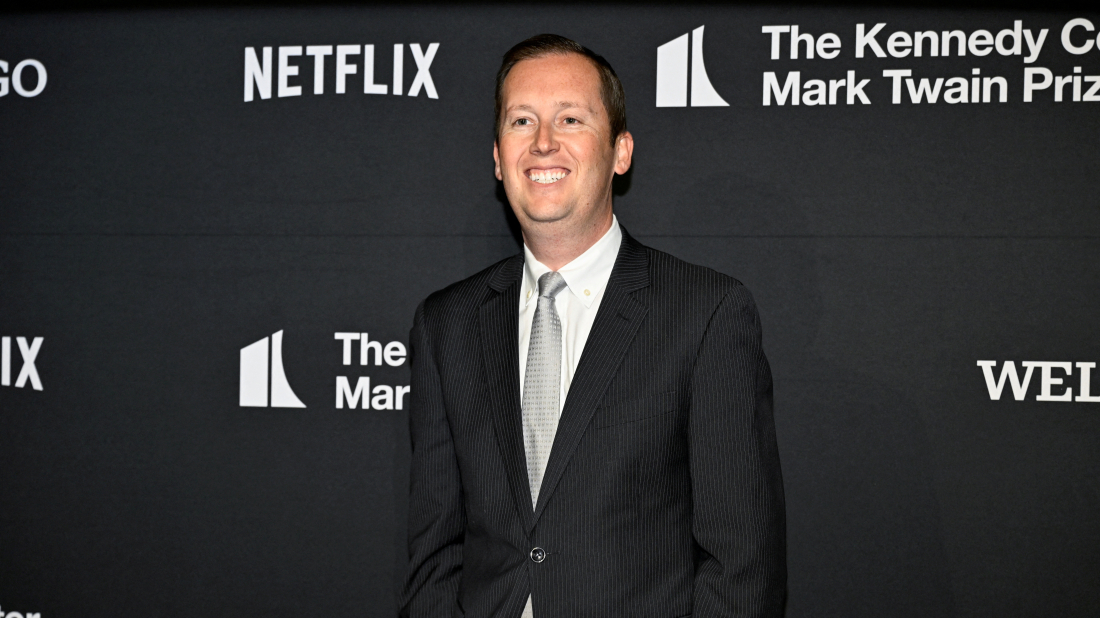
President Donald Trump has announced plans to nominate Sergio Gor, one of his closest aides, as the next U.S. ambassador to India, where he will be tasked with managing strained ties.
In his role as ambassador, he would be expected to manage fresh pressures arising from Washington’s plan to double tariffs on Indian goods next week.
Gor, who currently heads the White House Presidential Personnel Office, would also take on the role of special envoy for South and Central Asian affairs, Trump said.
He noted that Gor would continue in his present post until the Senate confirms him for the India position.
In a statement on Truth Social, Trump praised Gor as a “great friend” who had been by his side for years, highlighting his role in past campaigns, publishing Trump’s books, and leading a major political action committee backing the movement.
He added that Gor had been instrumental in staffing his second administration.
“For the most populous region in the world, it is vital that I appoint someone I can fully trust to deliver on my agenda and help us MAKE AMERICA GREAT AGAIN,” Trump wrote.
Relations between Washington and New Delhi have deteriorated amid Trump’s trade war, with negotiations on tariff reductions collapsing after India- now the world’s fifth-largest economy refused to liberalise its agricultural and dairy markets. Annual trade between the two nations stands at over $190 billion.
In a post on X, Gor thanked Trump for the nomination, calling it “the honour of my life” to represent the United States in India.
Trump initially imposed a 25% tariff on Indian imports and has since said that this will double to 50% from 27 August in response to New Delhi’s rising purchases of Russian oil. Notably, he has not placed comparable tariffs on Chinese imports, even though China remains the largest buyer of Russian crude.
U.S. Treasury Secretary Scott Bessent criticised India earlier this week, accusing it of “profiteering” from discounted Russian oil during the war in Ukraine. He told CNBC that Russian crude now accounted for 42% of India’s oil imports, up from less than 1% before the conflict, while China had increased its share modestly from 13% to 16%.
India’s Trade Minister Piyush Goyal said on Friday that his country approached future trade ties with the United States with a “very open mind”, stressing the significance of the relationship for both sides.
Trump’s announcement on Gor’s nomination coincided with the sudden cancellation of a planned visit by U.S. trade negotiators to New Delhi, which had been scheduled for 25–29 August.












What is your opinion on this topic?
Leave the first comment