live Humanitarian aid convoy sent by Azerbaijan reaches Iran border - Tuesday, 10 March
Welcome to our live coverage as the conflict involving Iran enters its 11th day. Tensions in the region remain high as the United States and Iran e...
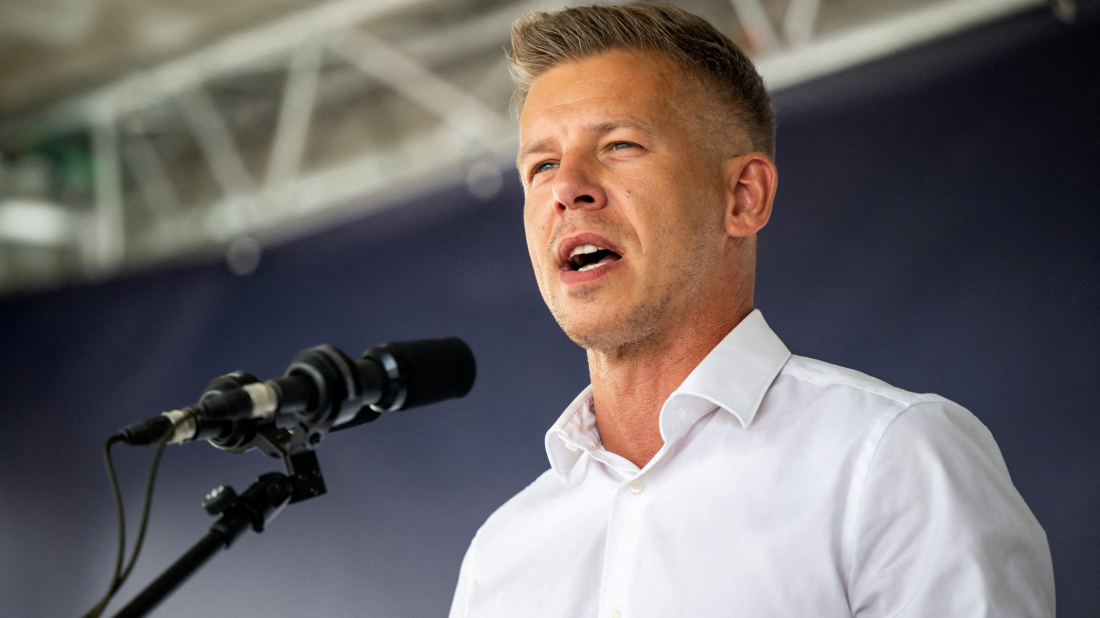
Hungarian opposition leader Peter Magyar has called on Russia to guarantee it will not interfere in Hungary’s politics, saying any future cooperation depends on respecting the country’s sovereignty.
In an open letter to Moscow’s ambassador in Budapest, Magyar demanded Russia refrain from disinformation campaigns, cyber operations, or intimidation. He said interference would undermine Hungary’s democratic process.
The move came after Russia’s Foreign Intelligence Service (SVR) accused him of loyalty to “globalist elites” and claimed the European Commission was considering “regime change in Budapest.”
Political context
Magyar’s Tisza Party is leading Prime Minister Viktor Orban’s ruling Fidesz in most polls ahead of elections due next spring. His challenge marks the most serious threat Orban has faced since taking office in 2010.
The Russian Embassy in Budapest has not yet commented on Magyar’s demand.
Moscow ties under Orban
Orban has faced criticism in the European Union for his close ties with Moscow and opposition to military support for Ukraine. He has accused EU leaders of plotting to remove him.
Russia continues to supply Hungary with most of its energy and is involved in the expansion of the Paks nuclear plant.
Magyar’s stance
Magyar, a former government insider, has said he wants pragmatic relations with Russia. But he warned that Moscow’s recent comments showed an attempt to sway Hungarian voters directly.
“Hungary’s sovereignty and the inviolability of our democratic processes cannot be negotiable,” he wrote. “These principles are the minimum requirement for any meaningful cooperation.”

Mojtaba Khamenei, son of the late Ayatollah Ali Khamenei, is a hardline cleric with strong backing from the Islamic Revolutionary Guard Corps. His rise signals continuity in Tehran's anti-Western policies.
Global oil prices surpassed $119 a barrel on Monday (9 March, 2026), an almost four year high, as the Middle East conflict rumbled on.
China has urged Afghanistan and Pakistan to resolve their dispute through dialogue after Chinese envoy Yue Xiaoyong met Afghan Foreign Minister Amir Khan Muttaqi, as fighting between the two neighbours entered its eleventh day.
Welcome to our live coverage as the conflict involving Iran enters its 11th day. Tensions in the region remain high as the United States and Iran exchange increasingly sharp warnings over the strategic Strait of Hormuz, a critical artery for global oil supplies.
Entry and exit across the state border between Azerbaijan and Iran for all types of cargo vehicles, including those in transit, will resume on 9 March, according to a statement by the Cabinet of Ministers of Azerbaijan.
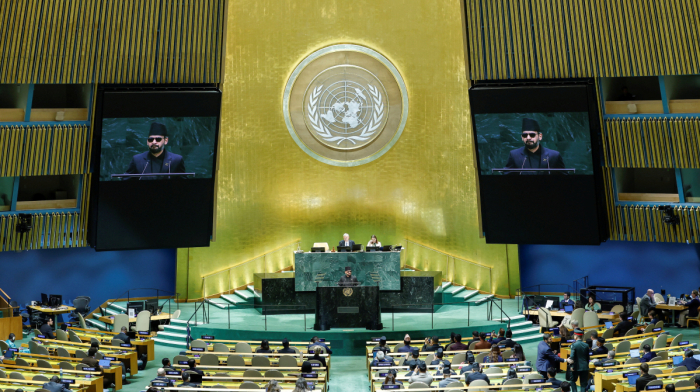
U.S. Ambassador to the United Nations, Mike Waltz, has addressed the U.N. Security Council, saying the world must consider how effective its engagement with the Taliban-run country is as millions face hunger.
British MPs have rejected a proposal to introduce an Australia-style ban on social media for under-16s, opting instead to give ministers flexible powers to impose restrictions on platforms.
Australia has granted humanitarian visas to five Iranian women footballers who sought asylum, fearing persecution after refusing to sing their national anthem at an Asia Cup match.
Start your day informed with AnewZ Morning Brief. Here are the top news stories for the 10th of March, covering the latest developments you need to know.
U.S. President Donald Trump called his recent phone conversation with Russian President Vladimir Putin “very good.” The two leaders spoke on Monday about the situation in Iran and other international issues.
You can download the AnewZ application from Play Store and the App Store.
What is your opinion on this topic?
Leave the first comment