Kyrgyz president dismisses security ally in major power reset
Kyrgyz President Sadyr Japarov has moved swiftly to consolidate his authority following the dismissal of his long-time ally Kamchybek Tashiev, head of...
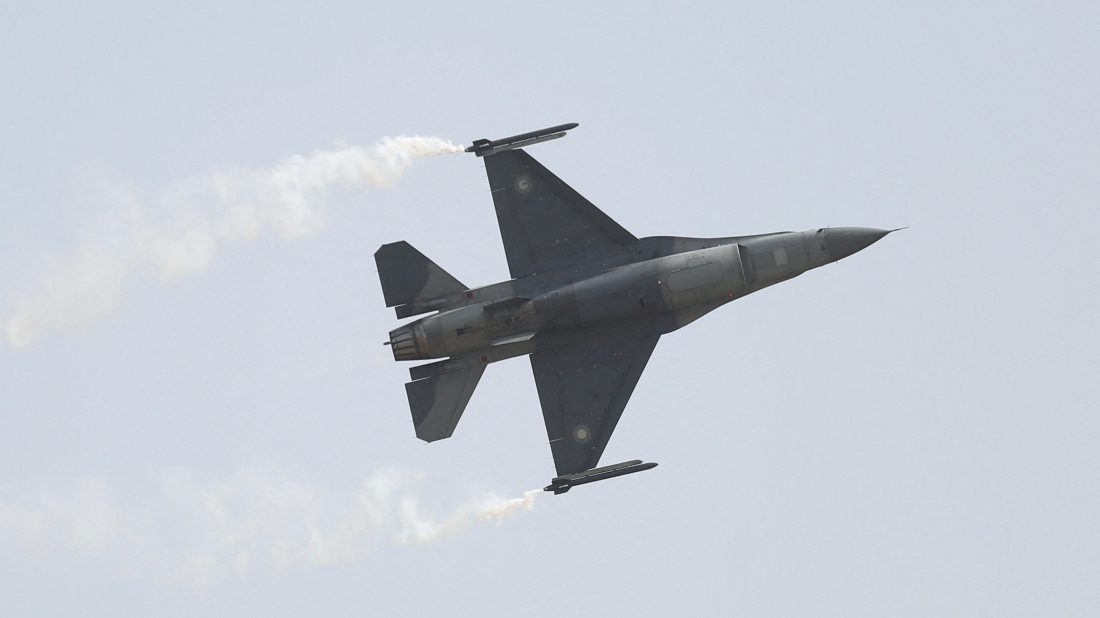
Pakistan will create a new force in the military to supervise missile combat capabilities in a conventional conflict, apparently a move to match the neighbouring arch-rival India.
Prime Minister Shehbaz Sharif announced the creation of the Army Rocket Force late Wednesday at a ceremony held in Islamabad to commemorate the worst conflict in decades with India in May.
The ceremony was held a day ahead of Pakistan's 78th Independence Day.
"It will be equipped with modern technology," Sharif said in a statement from his office, adding that the force will prove to be a milestone in strengthening the combat capability of Pakistan's army.
He did not give any further details.
A senior security official, however, said that the force will have its own command in the military which will be dedicated to handling and deployment of missiles in any event of a conventional war.
"It is obvious that it is meant for India," he said.
The two nuclear-armed nations keep upgrading their military capabilities in the wake of a longstanding rivalry since their independence from British rule in 1947.
The latest tension between the two countries soared in April over the killing of 26 civilians in Indian-administered Kashmir, an attack New Delhi blamed on Islamabad. Pakistan denied involvement.
A conflict then erupted in May, the most serious fighting between the two countries in decades, which saw both sides using missiles, drones and fighter jets before it ended with a cease-fire announcement by U.S. President Donald Trump.
Islamabad acknowledges the U.S. role, but India denies it, saying it was agreed directly between the two militaries.

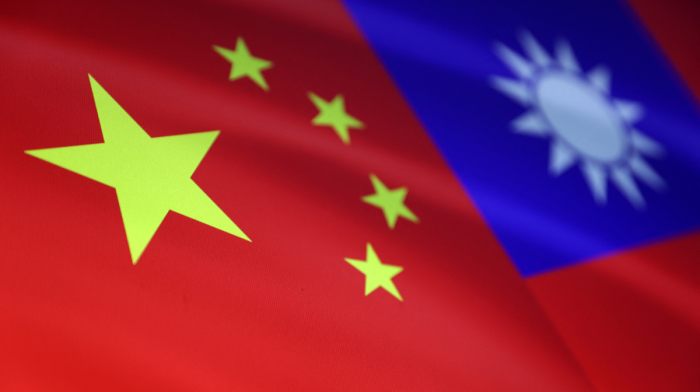
U.S. Ambassador to NATO Matthew Whitaker said China has the power to bring an end to Russia’s war in Ukraine, arguing that Beijing is enabling Moscow’s military campaign.
Austria’s Janine Flock won the gold medal in the women’s skeleton event at the Milano-Cortina 2026 Winter Olympics on Saturday.
Iran’s Supreme National Security Council Secretary Ali Larijani said the United States could evaluate its own interests separately from those of Israel in ongoing negotiations between Tehran and Washington.
U.S. Secretary of State Marco Rubio on Sunday (15 February) called it “troubling” a report by five European allies blaming Russia for killing late Kremlin critic Alexei Navalny using a toxin from poison dart frogs.
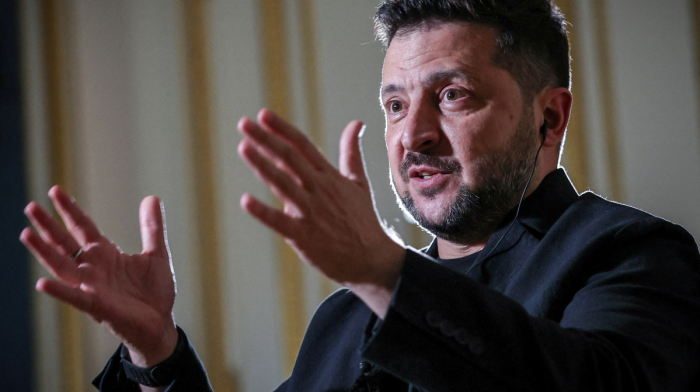
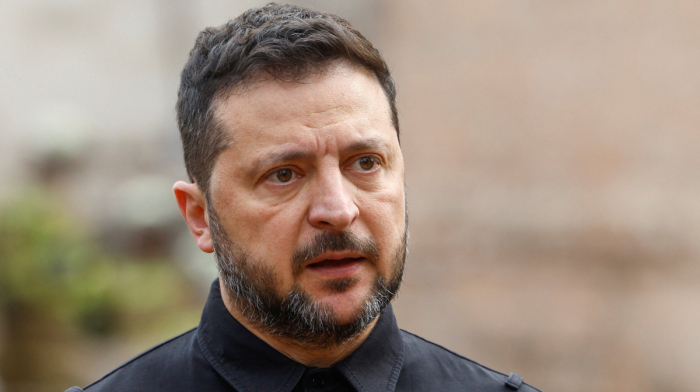
Ukrainian President Volodymyr Zelenskyy said on Saturday that Russia’s decision to change the leadership of its delegation for upcoming peace talks in Geneva appeared to be an attempt to delay progress.
Iran’s Revolutionary Guards navy held military exercises in the Strait of Hormuz on Monday (16 February), state-linked media reported. The drill took place a day before renewed nuclear negotiations between Tehran and Washington in Geneva.
A man accused of carrying out Australia’s deadliest mass shooting in nearly three decades appeared briefly in a Sydney court on Monday (16 February), facing terrorism and murder charges over the 14 December attack on a Jewish Hanukkah celebration at Bondi Beach that left 15 people dead.
The 2026 Munich Security Conference (MSC) unfolded over three intense days in Munich, confronting a defining question of our era: has the post-Second World War international order collapsed - and if so, what will replace it?
The United States has carried out its first air transport of a nuclear microreactor on a cargo plane, flying the unit from California to Utah in a demonstration designed to show the technology can be rapidly deployed for military and civilian use.
Start your day informed with AnewZ Morning Brief: here are the top news stories for the 16th of February, covering the latest developments you need to know.
You can download the AnewZ application from Play Store and the App Store.
What is your opinion on this topic?
Leave the first comment