live Qatar shoots down Iranian jets: All the latest news on the Iran strikes
The Middle East crisis intensifies after the deadly attack on the compound of the Supreme Leader of Iran Ali Khamenei on Saturday t...
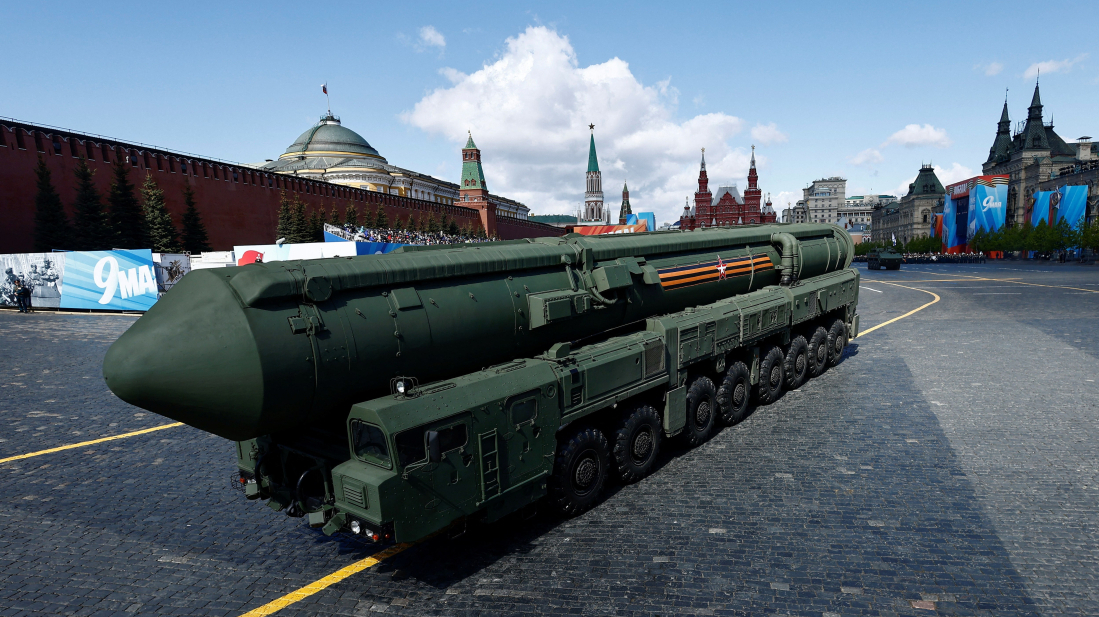
Russia said it continued developing intermediate and shorter-range nuclear-capable missiles during a moratorium on their deployment and now holds a “substantial” arsenal, Deputy Foreign Minister Sergei Ryabkov has said.
Ryabkov told state broadcaster Rossiya-1 that the moratorium, announced after the collapse of the 1987 Intermediate-Range Nuclear Forces (INF) Treaty, applied only to deployment and not to research or production.
“This time was used to develop the appropriate systems and to build a fairly substantial arsenal,” RIA news agency quoted him as saying. “As I understand it, we now possess it.”
Earlier this month, Moscow said it was ending the moratorium in response to what it described as U.S. and allied plans to station such weapons. The INF Treaty, signed by Washington and Moscow in 1987, banned ground-launched missiles with ranges between 500km and 5,500km. It was hailed at the time as a major step in easing Cold War tensions.
The United States withdrew from the pact in 2019 during Donald Trump’s first term, citing alleged Russian violations, which Moscow denied. Since then, both sides have accused each other of escalating a new arms race in Europe and Asia.

Follow the latest developments and global reaction after the U.S. and Israel launched “major combat operations” in Iran, prompting retaliation from Tehran.
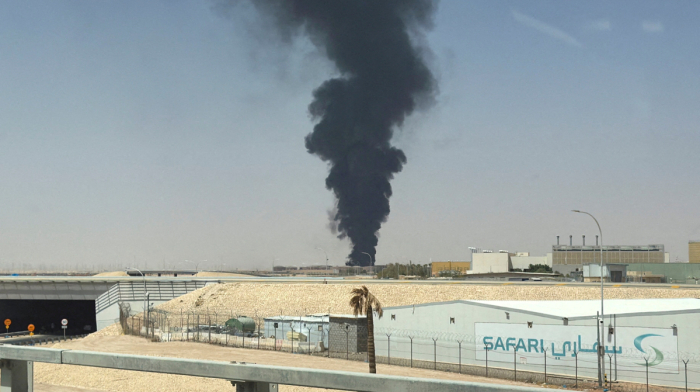
Saudi Arabia’s state oil giant Saudi Aramco closed its Ras Tanura refinery on Monday following an Iranian drone strike, an industry source told Reuters as Tehran retaliated across the Gulf after a U.S.-Israeli attack on Iranian targets over the weekend.
The Kremlin is utilising the recent United States and Israeli military strikes on Iran to validate its ongoing war in Ukraine. Russian officials are pointing to the escalation in the Middle East as evidence that Western nations do not adhere to international rules.
The Middle East crisis intensifies after the deadly attack on the compound of the Supreme Leader of Iran Ali Khamenei on Saturday that killed him, other family members and senior figures. Iran has launched retaliatory strikes on U.S. targets in the region.
Ayatollah Alireza Arafi has moved into a pivotal constitutional role following the death of Supreme Leader Ayatollah Ali Khamenei, becoming the clerical member of Iran’s temporary leadership council under Article 111 of the Constitution of the Islamic Republic of Iran.
The U.S.-Iran crisis has entered its third day, with further strikes reported across the Middle East and the death toll rising. Oil prices have surged to levels last seen during the Covid-19 pandemic, raising fears of economic disruption and higher prices worldwide.
The UK said it's allowing the U.S. to use its bases for defensive strikes against Iran amid escalating missile attacks, after a suspected drone strike hit a British airbase in southern Cyprus, causing limited damage.
The Kremlin is utilising the recent United States and Israeli military strikes on Iran to validate its ongoing war in Ukraine. Russian officials are pointing to the escalation in the Middle East as evidence that Western nations do not adhere to international rules.
European Union stands with its member states in the face of any threat, EU Commission President Ursula von der Leyen said in response to the drone strike that hit Britain's Royal Air Force base of Akrotiri in southern Cyprus overnight.
Start your day informed with AnewZ Morning Brief. Here are the top news stories for the 27th of February, covering the latest developments you need to know.
You can download the AnewZ application from Play Store and the App Store.
What is your opinion on this topic?
Leave the first comment