U.S., Ukraine discuss ambitious March peace goal despite major obstacles
U.S. and Ukrainian negotiators have discussed an ambitious goal of reaching a peace agreement between Russia and Ukraine by March, though the timeline...
Japan is facing record-breaking heat, with temperatures hitting 41.8°C, sparking health emergencies and threatening the country’s rice harvest.
The government has urged residents to stay indoors and announced emergency support to combat rising health risks and agricultural damage.
More than 53,000 people have already been hospitalised due to heat stroke this summer, according to authorities.
The extreme heat comes as average temperatures in Japan continue to rise for the third consecutive summer, coupled with severe drought in the northeast.
Authorities are particularly concerned about the rice harvest, as a surge in stink bugs threatens crops in key growing areas.
In response, the Japanese government has unveiled a new rice production policy aimed at avoiding future shortages.
"We need to act with speed and a sense of crisis," said Farm Minister Shinjiro Koizumi, promising measures to support pest control and drought management.
Last year’s heatwave damaged rice quality and, combined with poor supply planning, caused sharp price increases and a national food scare.
Officials hope prompt action this year will prevent a repeat of that crisis.

Iran’s Islamic Revolutionary Guard Corps (IRGC) has deployed one of its largest ballistic missiles at a newly unveiled underground base on Wednesday (3 February), just two days ahead of mediated nuclear talks with the United States in Muscat, Oman.
Winter weather has brought air travel in the German capital to a complete halt, stranding thousands of passengers as severe icing conditions make runways and aircraft unsafe for operation and force authorities to shut down one of Europe’s key transport hubs.
Storm Leonardo has swept across the Iberian Peninsula, causing widespread flooding, landslides and transport disruption in Portugal and Spain, leaving at least one person dead and forcing thousands to evacuate as authorities issued urgent warnings.
An attacker opened fire at the gates of a Shi'ite Muslim mosque in Islamabad on Friday before detonating a suicide bomb that killed at least 31 people in the deadliest assault of its kind in the capital in more than ten years.
Start your day informed with AnewZ Morning Brief: here are the top news stories for the 5th of February, covering the latest developments you need to know.
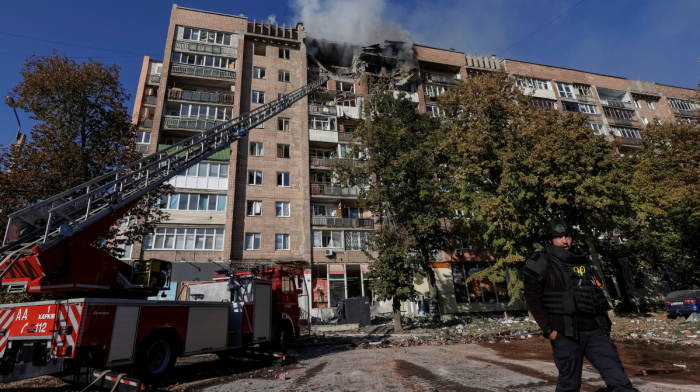
U.S. and Ukrainian negotiators have discussed an ambitious goal of reaching a peace agreement between Russia and Ukraine by March, though the timeline is widely viewed as unrealistic due to deep disagreements over territory, according to multiple sources familiar with the talks.
At least 31 killed, scores wounded in suicide attack on religious site in Islamabad.
Lebanese Army Commander Gen. Rodolphe Haykal met with senior U.S. officials in Washington, D.C., this week to discuss strengthening military and security cooperation, regional developments and the challenges facing Lebanon, the Lebanese army said on Friday.
Storm Leonardo has swept across the Iberian Peninsula, causing widespread flooding, landslides and transport disruption in Portugal and Spain, leaving at least one person dead and forcing thousands to evacuate as authorities issued urgent warnings.
Escalating clashes in South Kivu’s highlands are sending a rising flow of wounded to Fizi’s small general hospital, where staff warn they are running out of space and supplies as the conflict expands across remote areas.
You can download the AnewZ application from Play Store and the App Store.
What is your opinion on this topic?
Leave the first comment