EU agrees softened AI rules with delays after industry pressure
European Union countries and European Parliament lawmakers have agreed on a softened version of the bloc’s l...
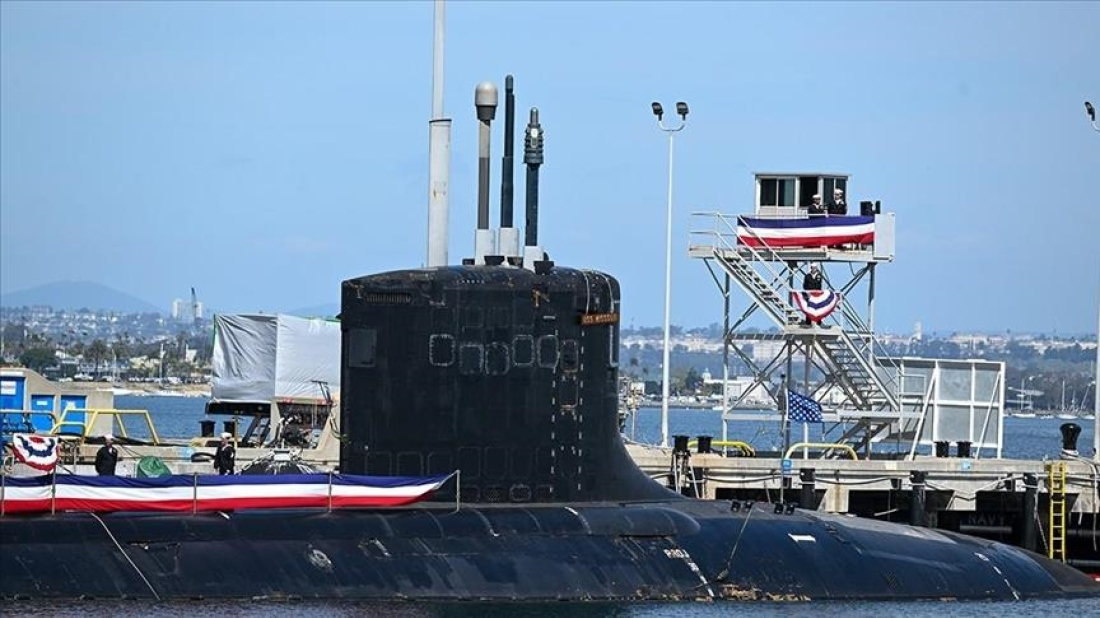
Australia has made a further payment to the United States under the AUKUS nuclear submarine deal. Prime Minister Anthony Albanese confirmed on Wednesday that a second instalment of $525 million has been paid, following an initial $500 million payment in February.
The payment comes amid an ongoing formal review of the AUKUS pact, initiated by U.S. President Donald Trump in June, to assess whether the $368 billion (A$247 billion) agreement aligns with his “America First” policy agenda.
Rejecting suggestions that the transfer was unexpected or additional, Albanese stated: “This is not an extra payment. It is a scheduled payment we are making as part of the agreement. We have arrangements in place with both the USA and the United Kingdom, aimed at enhancing their industrial capacity.”
When asked about the transparency of the ongoing review process, Albanese declined to comment directly.
“We have an agreement with the USA. The United Kingdom also has its own review under way.”
The AUKUS security alliance, formed in 2021, brings together the U.S., the UK, and Australia in a trilateral effort to develop nuclear-powered submarines for the Royal Australian Navy.

Trump said the U.S. and Iran were making progress in peace talks, though direct negotiations remain premature. Meanwhile, Israel, reportedly, struck senior Hezbollah and Hamas figures and tensions over Hormuz and Tehran’s nuclear programme continue.
U.S. President Donald Trump said that Iran wanted to negotiate and make a deal in comments to reporters on Wednesday (6 May). But earlier, he warned Washington would ramp up attacks if no agreement was reached.
Argentinian authorities are reconstructing the journeys of Dutch citizens who presented with symptoms of deadly hantavirus after visiting Argentina and Chile as part of a luxury cruise trip, the country's Health Ministry said in a statement on Wednesday (6 May)
The United Arab Emirate said it was dealing with missile and drone attacks from Iran for the second day in a row on Tuesday (5 May), despite denials from authorities in Tehran who threatened a "crushing response" if the UAE retaliated.
The 61st Venice Biennale has opened under grey skies and political tension, with disputes over Russia and Israel, resignations on the jury, and protests marking the start of one of the art world’s most high-profile events.
European Union countries and European Parliament lawmakers have agreed on a softened version of the bloc’s landmark artificial intelligence rules, including delayed implementation, in a move critics say reflects growing concessions to major technology firms.
The Treaty on the Non-Proliferation of Nuclear Weapons (NPT) remains central to efforts to curb nuclear arms. More than 50 years after entering into force, it faces mounting pressure from geopolitical rivalry, modernisation and disputes over disarmament.
Latvian authorities said two drones entered NATO member Latvia from Russian territory and crashed on Thursday morning, with officials linking them to Ukraine’s wider drone operations against targets in Russia.
Start your day informed with the AnewZ Morning Brief. Here are the top stories for the 7th of May, covering the latest developments you need to know.
Global investors are showing early signs of diversification away from U.S. Treasuries as worldwide debt levels climbed to a record $353 trillion by the end of March of 2026, according to a new report from the Institute of International Finance (IIF) published on 6 May.
You can download the AnewZ application from Play Store and the App Store.
What is your opinion on this topic?
Leave the first comment