From Hormuz to the UN, a Middle East Being Reshaped by War
The Middle East arrived at the United Nations this week with the consequences of a war that is no longer contained to one front. From Israel and Ir...
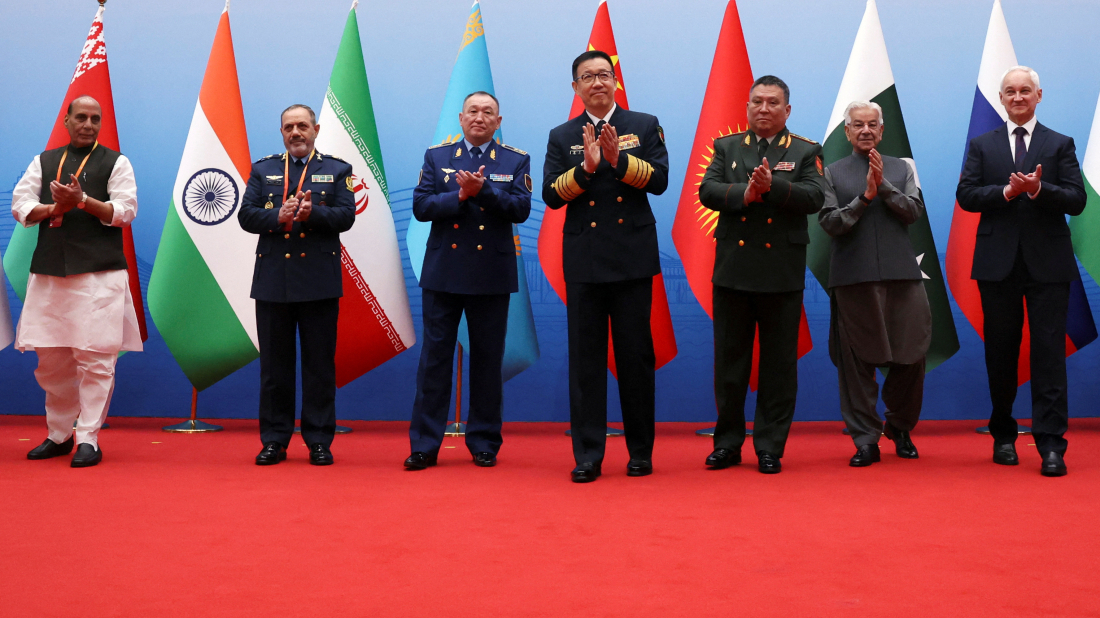
The Shanghai Cooperation Organization’s foreign ministers met in Tianjin on 15 July, laying the groundwork for the upcoming SCO summit set for the end of August.
The Council of Ministers of Foreign Affairs of the Shanghai Cooperation Organization (SCO) Member States convened in Tianjin on 15 July, with China hosting the meeting as the current rotating chair. The gathering marked a key step in preparing for the SCO summit, scheduled to take place in the same city from 31 August to 1 September.
Ahead of the ministerial meeting, Chinese President Xi Jinping received the visiting foreign ministers and heads of SCO permanent bodies in Beijing. Xi urged the organisation to remain focused and confident amid a turbulent international environment and called on member states to embrace the founding mission of the SCO. He described the group as a key force for promoting cooperation, stability and the "Shanghai Spirit", and for building a community with a shared future for mankind.
Chinese Foreign Minister Wang Yi chaired the session and outlined a five-point vision for the SCO’s future. His proposal included staying committed to the organisation’s founding principles, reinforcing collective security, fostering mutually beneficial development, strengthening regional amity, and defending global fairness and justice.
Wang, speaking alongside SCO Secretary-General Nurlan Yermekbayev after the meeting, confirmed that all parties had reached consensus on preparations for the late-August summit. Participants expressed appreciation for China’s leadership as rotating chair and pledged to cooperate closely to ensure the Tianjin summit's success.
The foreign ministers’ meeting, described by Chinese officials as productive and harmonious, laid the political foundation for what China hopes will be a milestone gathering. The SCO, which includes China, Russia, India, Pakistan and several Central Asian countries, is expected to use the summit to enhance its role in regional and global affairs.
Beijing said it anticipates the summit will usher the SCO into a new phase of high-quality development marked by greater solidarity, stronger coordination and more robust cooperation across member states.

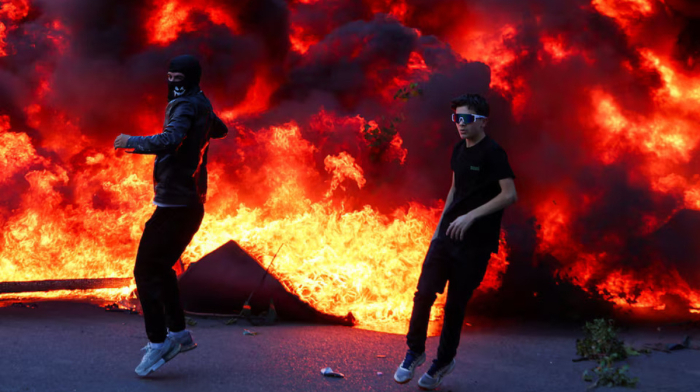
Shipping traffic through the Strait of Hormuz remained low on Thursday, as Iran reiterated that it will neither enter into new negotiations with the United States nor re-open the Strait as long as its conditions are not met, despite recent indirect talks in New York mediated by Qatar.
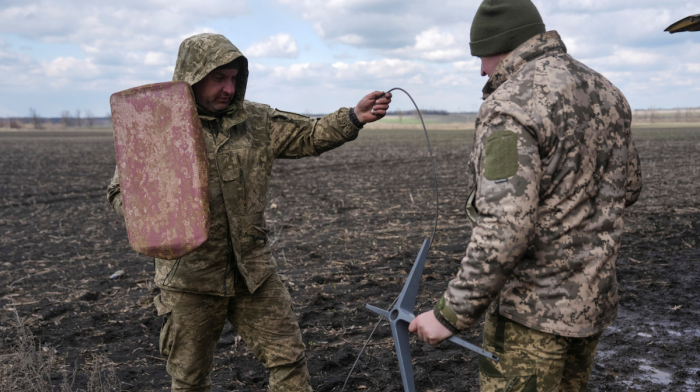
As the Ukraine war is highlighted by some leaders during the United Nations' 81st General Assembly meeting in New York, Russian forces attacked the Ukrainian capital Kyiv early on Thursday with ballistic missiles, killing two people and injuring six, Mayor Vitali Klitschko said.
The 81st UN General Assembly continues in New York on Wednesday, with another day of high-level speeches and diplomatic meetings. The wars in the Middle East and Ukraine, global security and international cooperation remain at the centre of discussions.
The 81st UN General Assembly has wrapped up its third day in New York on Thursday, with world leaders delivering high-level speeches and holding diplomatic meetings.
Saudi Arabia, Türkiye and Pakistan will hold an urgent high-level meeting under a joint defence pact to discuss ways to support the kingdom amid attacks by Yemen's Iran-aligned Houthis. The meeting comes as Tehran seeks to distance itself from the rapid advance of its Houthi allies.
The Middle East arrived at the United Nations this week with the consequences of a war that is no longer contained to one front. From Israel and Iran to Syria and Yemen, leaders have used the General Assembly to set out competing positions on the situation in the region.
Here’s your AnewZ Daily Brief for 25 September 2026, with five key developments from the third day of the 81st United Nations General Assembly in New York.
Xi Jinping touched down at Joint Base Andrews in Maryland on Wednesday evening to a welcome that was fairly unprecedented. President Donald Trump was there on the tarmac to greet him personally, which is something no sitting U.S. president had done for a visiting foreign leader in six decades.
The U.S. Senate narrowly rejected a resolution on Thursday that would have required President Donald Trump to end the war in Iran or seek congressional authorisation, as Democrats sought to put Republicans on the record over the increasingly unpopular conflict ahead of November's midterm elections.
U.S. President Donald Trump welcomed Chinese President Xi Jinping to the White House on Thursday, 24 September, for talks focused on trade, artificial intelligence, Taiwan and the war with Iran.
You can download the AnewZ application from Play Store and the App Store.
What is your opinion on this topic?
Leave the first comment