Trump says peace deal will be signed on Sunday; Iran says it may take days
U.S. President Donald Trump has said a peace agreement with Iran is scheduled to be signed on Sunday in a post on social media, despite Tehran's Fore...
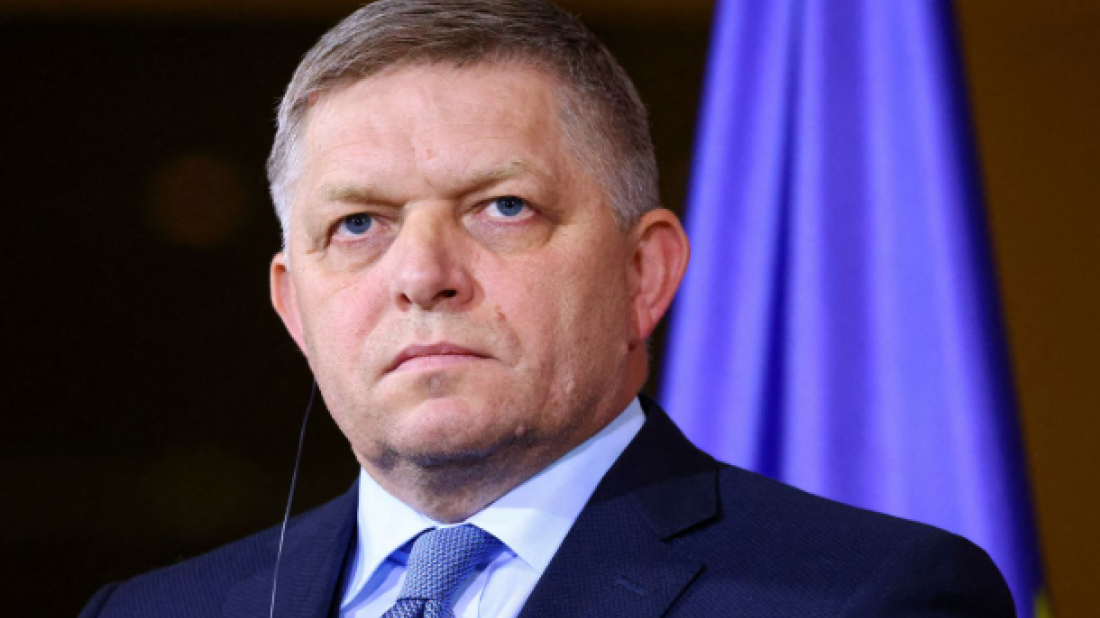
Slovak Prime Minister Robert Fico says Bratislava will only back the EU’s 18th sanctions package on Russia if it secures guarantees for future gas supplies, citing national energy interests.
Slovakia’s government is conditioning its support for the EU’s latest sanctions on Russia on firm guarantees that it will continue to receive adequate and affordable gas supplies once Russian imports are phased out by 2028.
In a letter to Czech Prime Minister Petr Fiala, Slovak Premier Robert Fico asserted Slovakia's sovereign right to protect its energy security, linking the 18th sanctions package to the European Commission’s proposal to end all Russian gas deliveries by January 1, 2028.
Fico stressed that national interests must be respected: “We are requesting that the relevant stakeholders provide the Slovak Republic with the necessary guarantees … This is a matter of Slovak national interest.”
He also proposed a joint meeting between the Slovak and Czech governments to ease tensions. In response, Fiala urged Slovakia not to obstruct EU-wide measures, warning that unilateral opposition could isolate Bratislava within the bloc.
German Chancellor Friedrich Merz echoed those concerns, urging Slovakia to lift its objections and allow the sanctions package to proceed.
The proposed 18th sanctions package includes expanded trade restrictions, asset freezes, and targeted measures against industries linked to Russia’s war effort. However, its adoption has been delayed multiple times due to Slovakia’s reservations.

SpaceX has made history with the largest initial public offering ever in the United States, pricing its shares at $135 each and achieving a market valuation of $1.77 trillion.
SpaceX made a historic entrance into the Nasdaq on Friday, surging over 20% in its first day of trading and lifting its valuation to more than $2 trillion. Investors flocked to the world’s largest IPO, betting on Elon Musk’s sprawling empire spanning rockets, AI and beyond.
Pakistan has warned that any attempt by India to block or significantly reduce river flows under the Indus Waters Treaty could have “far-reaching consequences”, after India's water minister said New Delhi was working to ensure that “not a single drop” of water reaches Pakistan in the coming years.
Armenia has every right to choose Europe. But Europe’s support for Armenia’s direction should not become automatic approval of its political process.
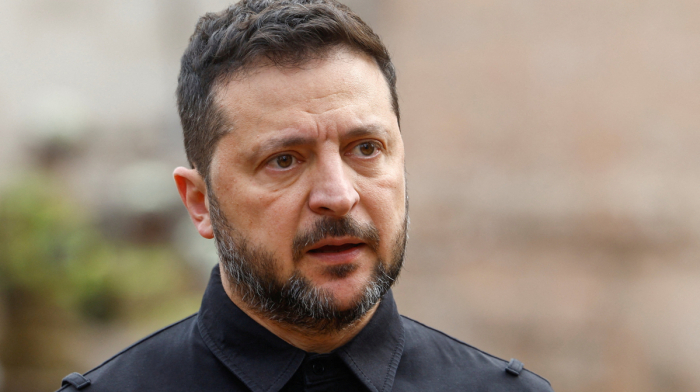
U.S. President Donald Trump has said a peace agreement with Iran is scheduled to be signed on Sunday in a post on social media, despite Tehran's Foreign Ministry spokesperson Esmaeil Baghaei saying no deal would be approved this weekend.
Every June, roughly 13 million young people in China sit down at the same time to take the same test. They have been preparing for it, in many cases, since primary school. Their families have rearranged their lives around it.
European museums are increasingly returning cultural artefacts to countries in Africa and the Middle East, as pressure grows to address the legacy of colonialism and disputed ownership.
Uganda’s health ministry has raised concerns over what it described as unfair travel restrictions imposed during the current Ebola outbreak, warning that such measures risk undermining transparent reporting. .
Georgia is overhauling its migration laws in one of the most significant legal reforms in years, introducing criminal penalties for fake marriages, tighter controls on foreign students and expanded investigative powers for the migration authorities.
Start your day informed with the AnewZ Morning Brief. Here are the top stories for 13 June, covering the latest developments you need to know.
You can download the AnewZ application from Play Store and the App Store.
What is your opinion on this topic?
Leave the first comment